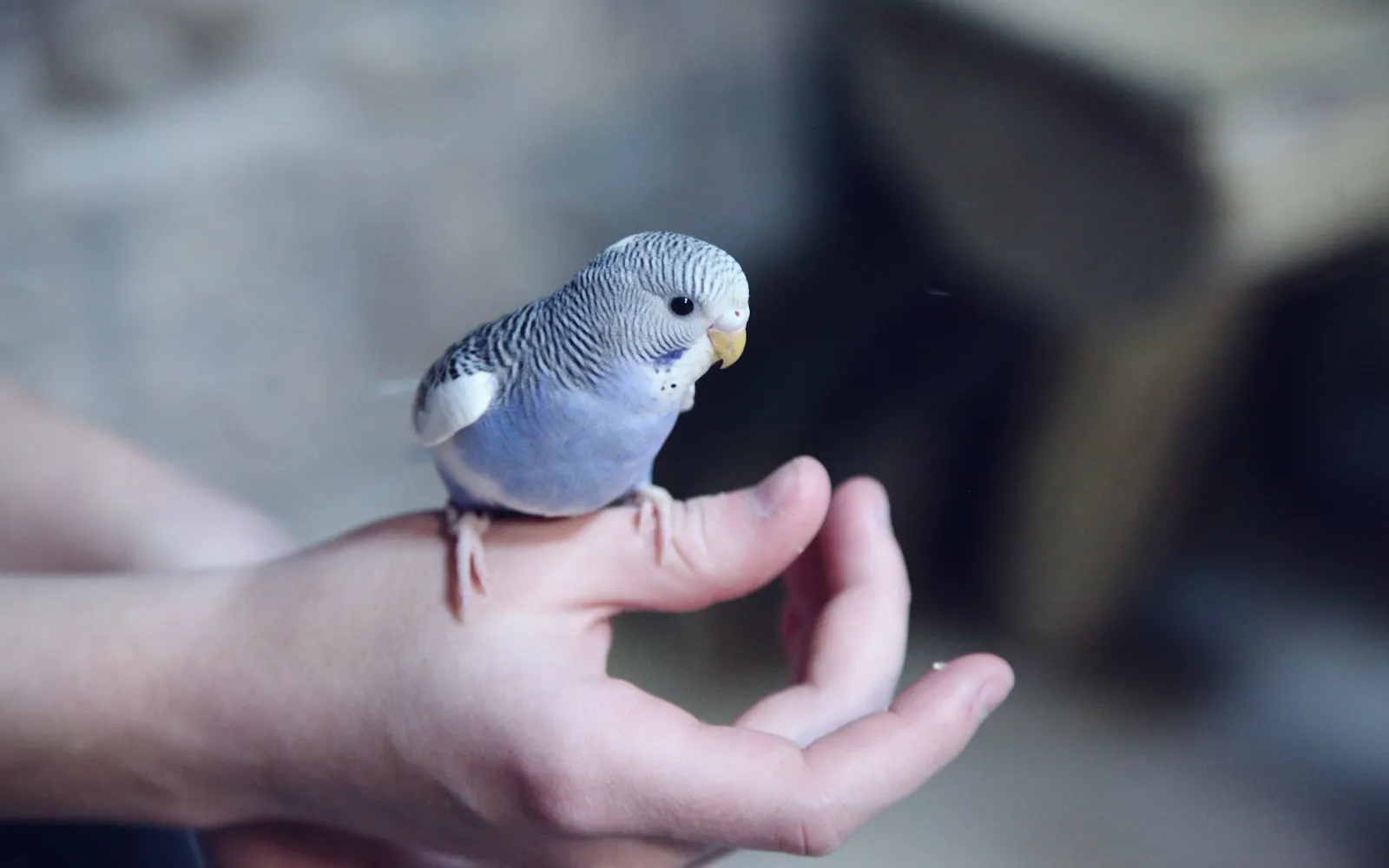
The day you bring a bird home should feel exciting, not rushed. Birds are easily stressed by change, and a calm, prepared start helps them settle faster and stay healthier.
This guide walks you through everything to do before and after your new pet bird arrives. You will find a shopping list, bird-proofing steps, quarantine advice, tips for the trip home, and what to expect during the first week and first vet visit.
Step One: Find an Avian Vet First
Not every vet clinic treats birds. VCA stresses that every bird needs an initial visit with a veterinarian who has experience in avian medicine. Find one before you need one.
- Search the Association of Avian Veterinarians' online directory
- Ask local bird clubs or rescues for recommendations
- Save the number of the nearest emergency clinic that sees birds
Book the first appointment for within a few days of bringing your bird home, or even on the way home if you can.
Your Pre-Arrival Shopping List
Set everything up at least a day or two ahead. A ready cage means your new pet bird can move straight into a calm space.
The Essentials
- A roomy cage with bar spacing that suits your species
- Several natural wood perches of different widths
- At least two food dishes and one water dish or bottle
- The same food the bird eats now, plus pellets for a later, gradual switch
- Plain cage liner paper
- Three or four safe toys, including something to chew
- A small, secure travel carrier
- A breathable cage cover
- A kitchen scale that weighs in grams
Nice-to-Haves
A play stand, a shallow bathing dish, foraging toys, and a bird-safe cleaner can wait a week or two. Start simple so the cage does not feel crowded.
[Internal Link Suggestion: ongoing daily care → bird care basics every new owner should know]
Bird-Proof the Room
Choose a room where people spend time but that is calm, away from the kitchen and drafts. Then work through this checklist:
- Swap non-stick cookware for stainless steel or cast iron, or keep the bird well away from the kitchen.
- Put away air fresheners, scented candles, and aerosol sprays.
- Make sure ceiling fans can be switched off and windows have secure screens.
- Hide or cover electrical cords.
- Remove toxic houseplants and anything made of lead or zinc.
- Cover open water such as fish tanks and toilets.
- Agree on house rules so doors stay closed when the bird is out.
A bird can escape through a door in less than a second. Make "check for the bird" a family habit before anyone opens an outside door.
Get the Household Ready
A new pet bird changes the whole household's routine, so agree on the plan before arrival day. Decide who feeds the bird in the morning, who changes the water, and who handles bedtime.
Talk to children about gentle rules: quiet voices near the cage, no fingers through the bars, and no handling without an adult. If you have a cat or dog, practice keeping them out of the bird's room now, so the habit is set before the bird arrives.
It also helps to ask the seller or rescue about the bird's current routine. Knowing when it usually eats and sleeps lets you copy that schedule for the first few weeks, then adjust slowly.
Quarantine If You Already Have Birds
A new pet bird can carry illness without looking sick. VCA advises keeping a newcomer in a separate room for about 30 to 45 days and having it checked by a vet before any contact with your other birds.
- Use a separate room with its own air space if possible
- Feed and clean your existing birds first, the newcomer last
- Wash your hands and use separate dishes and tools
Rule of thumb: no shared air, no shared toys, and no introductions until your vet gives the all-clear.
The Trip Home
Plan the pickup for a morning or early afternoon so your new pet bird has daylight hours to explore its cage before bedtime. Keep the journey short, quiet, and safe. Use a small carrier rather than the full cage, and secure it with a seat belt so it cannot slide.
Keep the car at a comfortable temperature, avoid loud music, and never leave the bird alone in a parked car. For a longer trip, offer a few pieces of juicy fruit or vegetable so your bird stays hydrated.
The First Days and First Week
Expect your new pet bird to be quiet, cautious, or even a little jumpy at first. That is normal. Your job is to be calm and predictable.
Day One
Gently let the bird walk from the carrier into the cage, then step back. Resist the urge to show off your new pet bird to friends and family right away. Make sure it can find food and water. Keep the room quiet, limit visitors, and give it a normal bedtime.
Days Two to Seven
- Keep feeding times and bedtime consistent
- Sit nearby and talk softly, without reaching in
- Offer treats through the bars once the bird seems relaxed
- Do not change its diet yet
- Weigh it if it will step onto a perch scale calmly
Signs Your Bird Is Settling In
Look for eating well, preening, exploring toys, chirping or singing, and sleeping with feathers softly fluffed at night. Some birds take days, others take weeks. Let the bird set the pace.
[Internal Link Suggestion: training and body language → beginner's guide to keeping pet birds]
What Happens at the First Vet Visit
VCA notes that avian vets can perform a physical exam and diagnostic tests to spot problems early. They recommend checkups at least once a year afterward, and many suggest twice a year.
Bring your bird in its carrier with clean paper on the floor so the vet can see fresh droppings. Also bring:
- Any paperwork or health records from the seller or rescue
- The name of the food your bird eats
- A list of questions about diet, nails, wings, and behavior
If the vet finds a problem, contact the seller promptly. Reputable sources will often take a sick bird back or help with costs.
When to See a Vet
Merck explains that birds hide illness so they do not look weak to predators, which means a bird may be sicker than it looks. Call your avian vet right away if your new pet bird:
- Sits fluffed up and sleeps much more than usual
- Stops eating or drinking
- Breathes with tail bobbing or wheezing
- Has changes in its droppings
- Regurgitates, or has discharge from the eyes or nostrils
- Sits on the cage floor or seems weak
Stress of a move can bring hidden problems to the surface. Do not wait to see if it passes, and never use medicines without veterinary guidance.
Final Thoughts
A calm arrival starts long before arrival day. Find your avian vet, set up the cage, bird-proof a room, plan quarantine, and keep the first week quiet and predictable. With that preparation, your new pet bird can settle in and start trusting you. Browse more of our bird care guides.
[Internal Link Suggestion: choosing the best species first → best pet birds for beginners]