It is easy to fall in love with a bird at first sight. A bright color, a funny whistle, or a friendly head tilt can win you over in seconds. But a bird may share your home for 10, 20, or even 50 years.
This guide gives you a simple decision framework for finding the right pet bird. Work through each factor honestly, and you will narrow your choice to species that truly fit your home, schedule, and family.
Start With Your Lifestyle, Not the Bird
Most mismatches happen because people choose a species first and fit their life around it later. Flip that order. Describe your home and routine, then look for birds that suit it.
The right pet bird is the one whose needs you can meet on your busiest, most tired day, not just on a relaxed weekend.
Six Factors in Finding the Right Pet Bird
1. Time and Attention
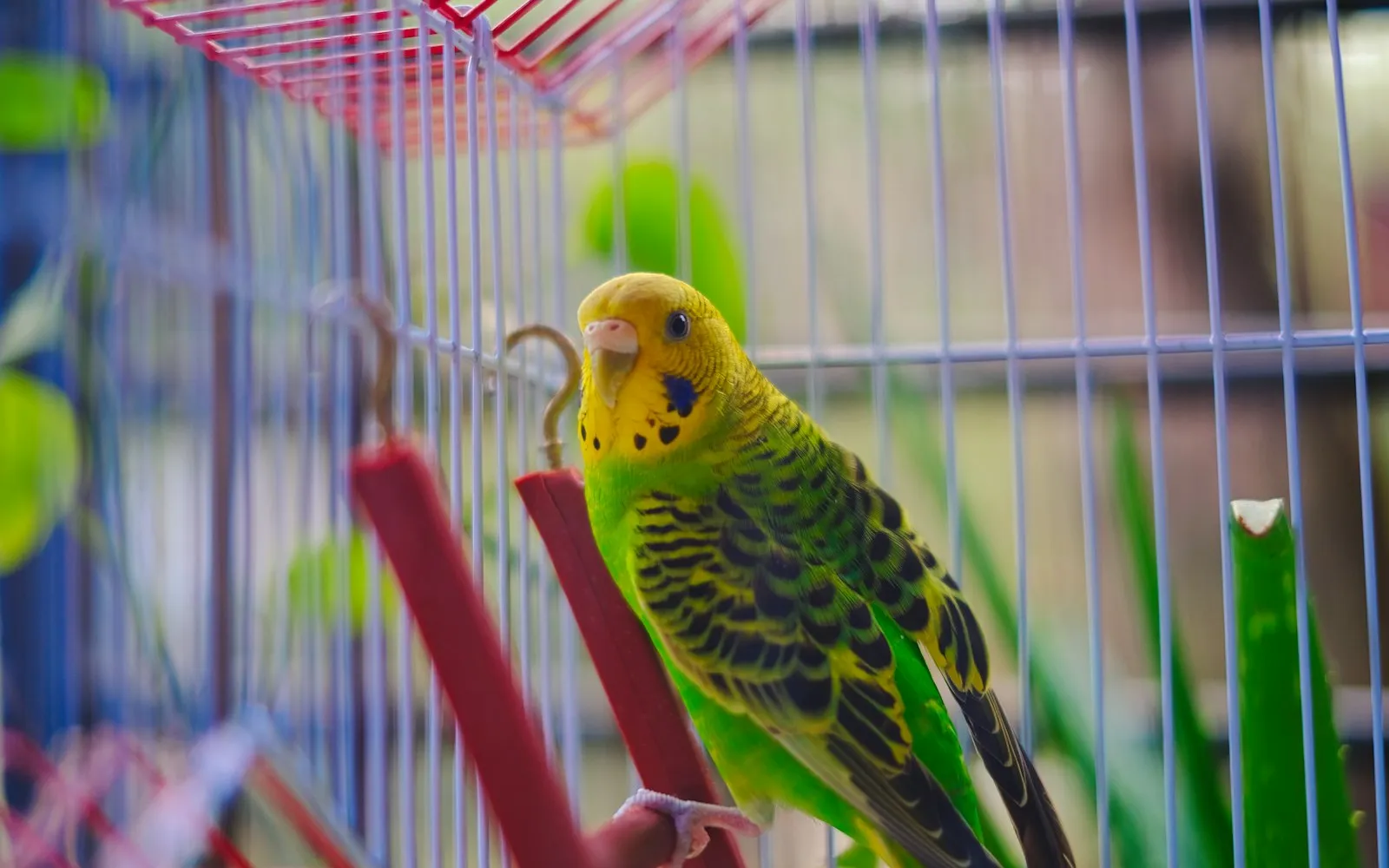
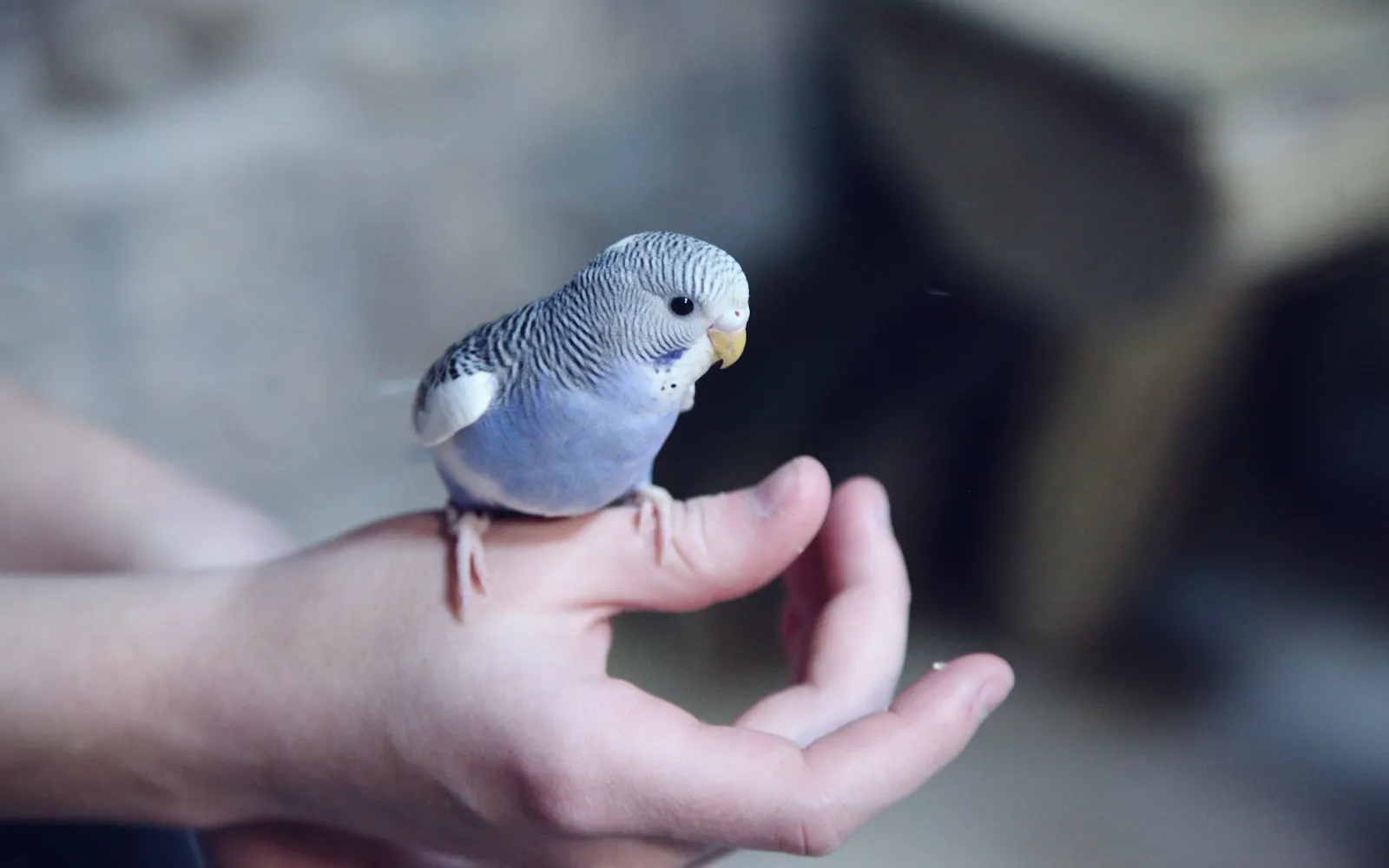
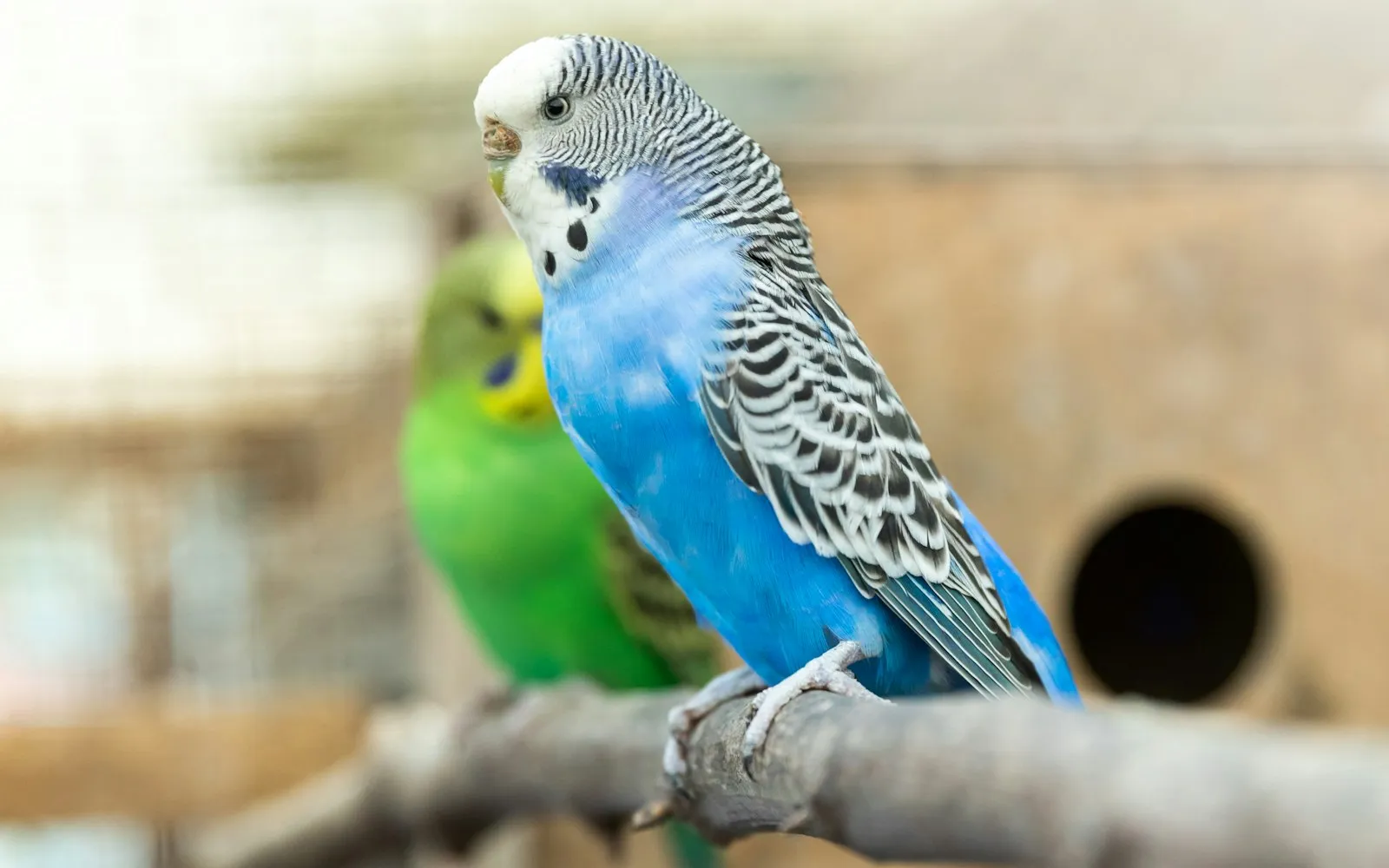
Merck notes that canaries and finches are fairly independent and do not enjoy being held, while larger parrots such as cockatoos and African greys need a lot of attention every day. Budgies and cockatiels sit in the middle.
Be realistic about your weekdays. If you work long hours, a bonded pair of finches may be a better fit than a single parrot that craves company. For busy people, the right pet bird is often one that is content with its own kind.
2. Noise Tolerance
Every bird makes some noise, especially at dawn and dusk. Canaries sing, finches peep, and doves coo softly. Large parrots can scream loudly enough to bother neighbors through shared walls.
Before deciding, spend time around the species you like. Hearing a bird in person is the best way to judge whether its voice suits your home.
3. Space
Bigger birds need bigger cages and safe room to exercise. The AVMA recommends daily supervised access to an adequately sized exercise area. Measure the spot where the cage will go, and remember that finches need horizontal flight space rather than height. In a small apartment, the right pet bird is usually a small species with a softer voice.
4. Budget
The purchase price is only the beginning. Plan for:
- A good-quality cage, which often costs more than a small bird
- Pellets, fresh produce, and treats
- Toys and perches that need regular replacing
- Avian vet exams, tests, and emergencies
5. Lifespan Commitment
Lifespans vary widely. Merck lists finches and budgies at about 5 to 10 years, cockatiels, lovebirds, parrotlets, and doves at up to 20 years, and macaws at 30 to 60 years. Some large parrots need a care plan in your will.
6. Allergies and Dust
All birds produce some feather dust and dander. Cockatiels, cockatoos, and African greys are known for being especially dusty because of their powder-down feathers. If anyone at home has asthma or allergies, talk to a doctor and spend time around the species first.
Tip: Test Your Tolerance
Visit a friend's bird or a rescue for a few hours. It is the easiest way to learn how the noise, mess, and dust feel in real life.
[Internal Link Suggestion: comparing beginner species → best pet birds for beginners]
Putting It All Together
Once you have answers for each factor, write a short profile of your ideal bird. For example: "quiet, content alone during work hours, fine in a small apartment, lives under 15 years."
Compare that profile with a few species and cross off any that clash. The right pet bird usually becomes obvious once your needs are on paper.
Children and Other Pets
Birds can be wonderful family pets, but young children may squeeze, drop, or startle them. Choose a calm species and let an adult supervise all handling. For many families, the right pet bird is a gentle species such as a cockatiel or dove.
Cats, dogs, and ferrets are natural predators. Even a gentle dog can frighten or injure a bird, and cat saliva carries bacteria that can be very dangerous to birds. Keep the bird in a room other pets cannot enter unsupervised.
One Bird or a Pair?
This choice depends on the species and your schedule.
- Finches and canaries: finches should live in pairs or small groups; canaries are often kept alone
- Budgies and cockatiels: fine alone with lots of daily interaction, or in pairs if you are often away
- Lovebirds and parrotlets: single birds usually bond more closely with people
VCA notes that a bird raised without other birds often bonds to its owner and may never accept a new companion. If you might want two birds, it can be easier to start with a pair.
Adopting vs Buying From a Breeder
Merck recommends reliable breeders, bird-focused stores, or shelters and rescue groups that understand birds. Each route has benefits.
Adopting gives a home to a bird in need, and rescue staff can often help match you with the right pet bird based on its personality. Buying from a breeder may give you a young, hand-raised bird with a known history. Either way, make sure the bird was bred in captivity, not taken from the wild.
[Internal Link Suggestion: getting your home ready → what to know before bringing a pet bird home]
Questions to Ask Before You Commit
Take this list with you to the rescue, store, or breeder:
- How old is the bird, and was it hand-raised?
- What does it eat now, pellets, seed, or a mix?
- Has it seen an avian vet, and can I have its records?
- How does it react to being handled?
- Will you take the bird back if a vet finds it is unwell?
Merck advises getting written health documentation and an agreement that the seller will take the bird back if it is not healthy. A very low price with no proof of origin is a red flag.
Signs of a Healthy Bird
When you meet the bird, look closely. The AVMA and Merck describe healthy birds as bright and alert, with:
- Clear, bright eyes with no discharge
- Clean nostrils
- Smooth, clean feathers with no bald patches
- Feet and legs that are not overly scaly
- Active behavior, not sitting fluffed up and sleepy
- Calm breathing without tail bobbing
Rule of thumb: if a bird looks fluffed, sleepy, or dirty around the vent, keep looking, even if the seller says it is "just tired."
The cage should be clean, with fresh food and water. Crowded, dirty conditions raise the risk of disease, even in birds that look well today.
When to See a Vet
Ideally, have the bird checked by an avian vet before or right after you bring it home. If you already have birds, VCA recommends keeping the newcomer in a separate room for about 30 to 45 days and getting a vet check before any introductions.
Call a vet quickly if your new bird stops eating, sits on the cage floor, breathes with its tail bobbing, or shows changes in its droppings. Birds hide illness, so early action matters.
Final Thoughts
Choosing the right pet bird is about honest planning, not impulse. Match time, noise, space, budget, and lifespan to your real life, then choose a healthy bird from a responsible source. When you find the right pet bird, you gain a companion for many years. Keep learning with our bird care guides.
[Internal Link Suggestion: care after you choose → beginner's guide to keeping pet birds]