Not every bird is a good match for a first-time owner. Some species are calm, compact, and forgiving of small mistakes. Others are loud, demanding, and can live for decades.
This guide compares seven of the best pet birds for beginners. For each one you will see typical lifespan, size, noise level, and how much handling it enjoys, followed by a quick comparison list and the birds to skip for now.
What Makes a Bird Beginner-Friendly?
The best starter birds share a few traits. They are small enough for a manageable cage, not too loud for shared walls, and have care needs that are well understood by avian vets.
- Moderate noise level
- Small to medium size
- Simple, well-known diet and care
- A lifespan you can realistically commit to
- Either easy to tame or happy without much handling
Lifespan is the trait new owners most often overlook. Even the smallest pet birds for beginners can live a decade or more, so think about where you will be in 10 to 20 years.
"Beginner-friendly" does not mean low effort. Every bird still needs daily food, water, cleaning, and attention.
Seven Great Pet Birds for Beginners
These species show up again and again on vet and breeder lists. Lifespans below come mostly from the Merck Veterinary Manual, and good care often helps birds reach the upper end.
1. Budgerigar (Budgie or Parakeet)
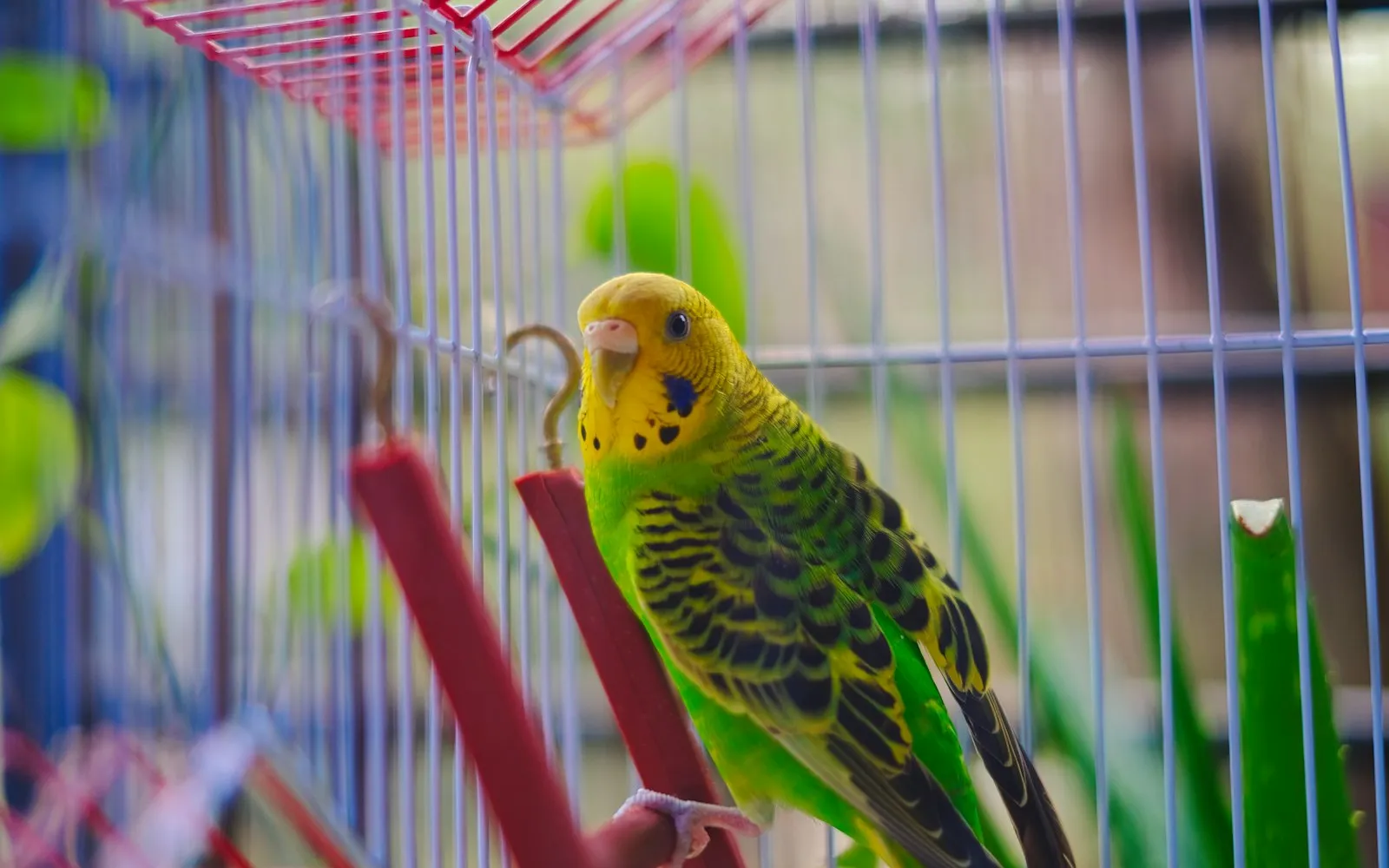
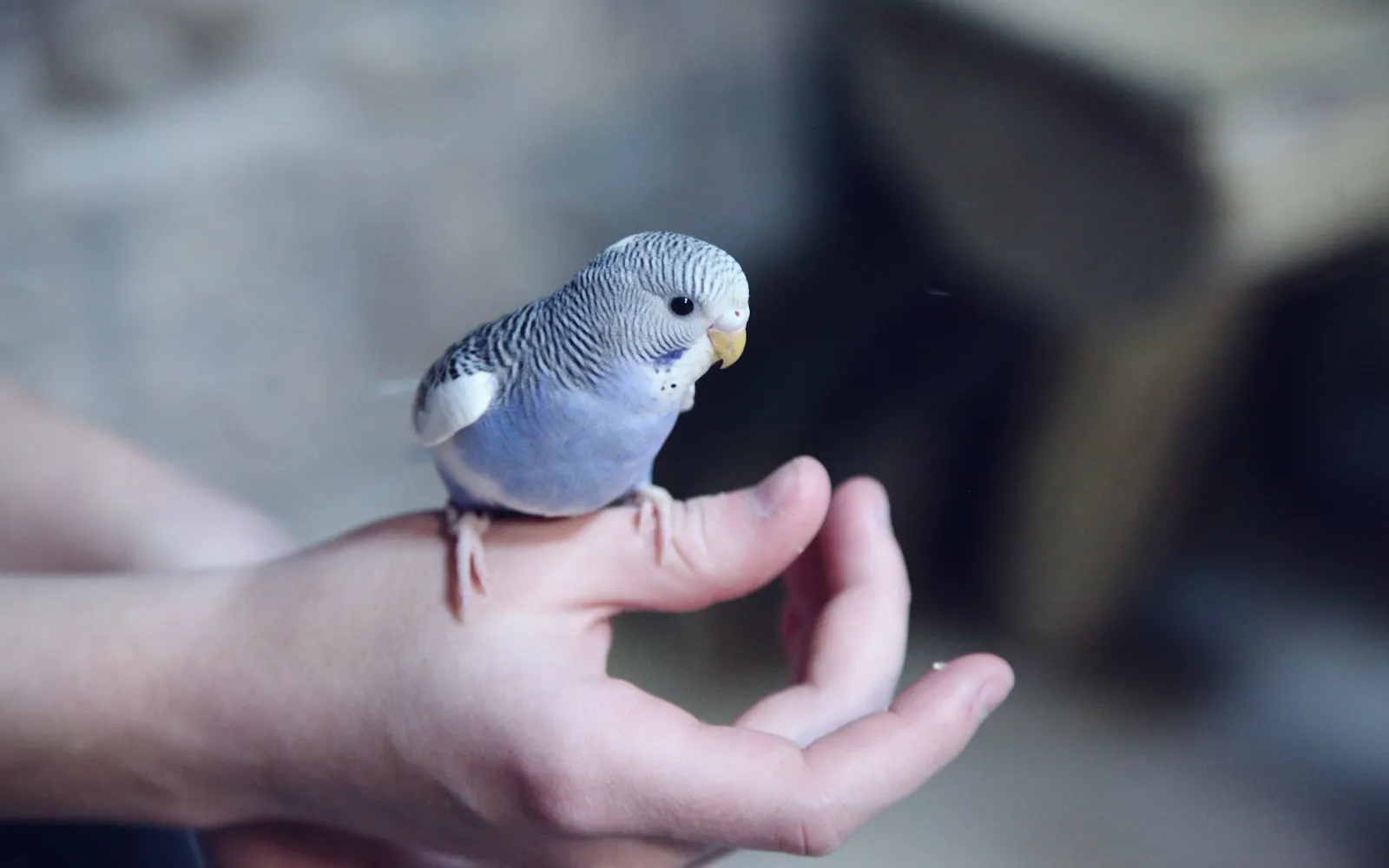
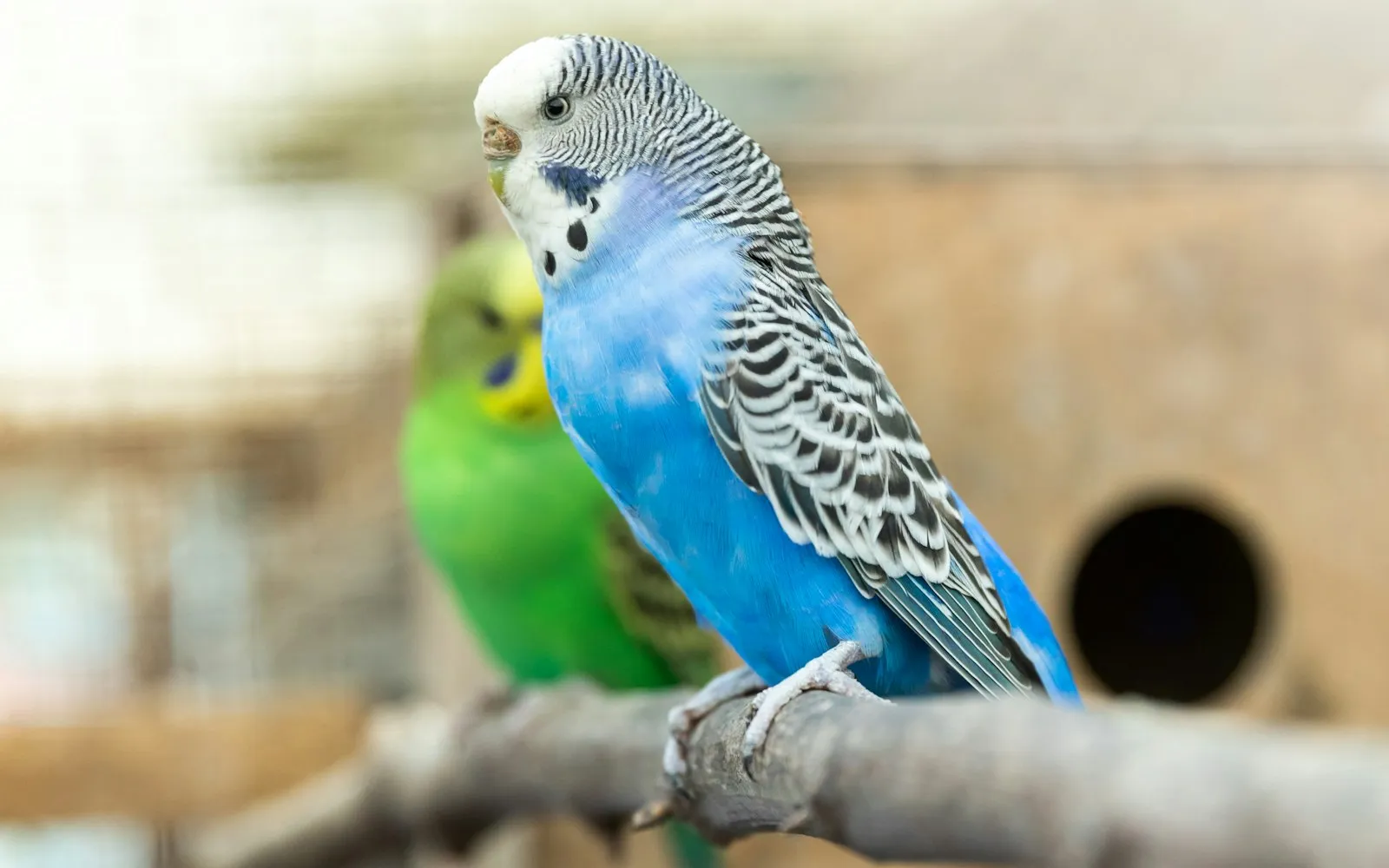
The budgie (Melopsittacus undulatus) is the classic first bird. It is about 7 inches (18 cm) long, cheerful, and often learns a few words. Merck lists a lifespan of about 5 to 10 years, while the AVMA notes some budgies reach 18.
Budgies chatter but are not usually loud, so they suit apartments. The AVMA says they are relatively easy to tame when obtained young.
Budgie Tip
Budgies are flock birds. If you are out most of the day, a pair keeps each other company, though paired budgies may bond more to each other than to you.
2. Cockatiel
Cockatiels are gentle, curious, and famous for whistling tunes. They are about 12 to 13 inches (30 to 33 cm) long including the tail. Merck lists a lifespan of up to 20 years, and the AVMA reports some living past 30.
They are vocal but much quieter than big parrots. Many enjoy head scratches and sitting on a shoulder. Note that cockatiels shed a fine feather dust, which may bother people with allergies.
3. Canary
Canaries are small, about 5 inches (13 cm), and prized for song. Merck notes that males often have a lovely song. They typically live up to about 15 years.
Canaries are a "look, don't touch" bird. They prefer not to be held, so they suit owners who enjoy watching and listening rather than handling.
4. Zebra and Society Finches
Finches are tiny, around 4 inches (10 cm), busy, and fun to watch. Merck lists a lifespan of about 5 to 10 years, although the AVMA gives an average closer to 4 to 5 years.
Finches should live in pairs or small groups and generally do not interact much with people. Their soft peeping is quiet, but they need a cage that is long enough for real flight.
5. Lovebird
Lovebirds are small, about 6 inches (15 cm), colorful, and full of energy. They can live up to about 20 years. Merck notes that their voices are sweet and not usually loud, but that they can be moody in breeding season.
Hand-raised lovebirds can be very affectionate. They can also be nippy, so they suit beginners who are patient and consistent.
6. Parrotlet
Nicknamed "pocket parrots," parrotlets are about 5 inches (13 cm) long but have big personalities. Merck describes them as relatively easy to tame when young and quiet compared with other parrots. Expect a lifespan of up to 20 years.
Parrotlets need daily handling to stay tame and can be bold with larger birds, so house them alone or with their own kind.
7. Dove
Ringneck and diamond doves are some of the calmest pet birds for beginners. Merck describes doves as quiet except for their cooing and less demonstrative than parrots. They can live up to about 20 years.
Doves are gentle and rarely bite, which makes them a good option for families with older children who will handle them calmly.
[Internal Link Suggestion: matching a bird to your lifestyle → how to choose the right pet bird for your home]
Quick Comparison List
Use this summary to narrow your shortlist of pet birds for beginners:
- Budgie: 5 to 10+ years, small, chatty but not loud, easy to tame young
- Cockatiel: up to 20 years, medium, whistles, affectionate, dusty feathers
- Canary: up to 15 years, small, males sing, best not handled
- Finches: about 5 to 10 years, tiny, quiet, keep in pairs or groups, hands-off
- Lovebird: up to 20 years, small, energetic, can be nippy
- Parrotlet: up to 20 years, small, bold, needs daily handling
- Dove: up to 20 years, medium, very calm, soft cooing
Rule of thumb: if you want a hands-on companion, look at budgies, cockatiels, or parrotlets. If you prefer a bird to watch and enjoy, consider canaries or finches.
Birds to Avoid as a First Pet
Large parrots are beautiful and intelligent, but they are rarely the right place to start. Merck lists African grey parrots at 30 to 50 years, Amazons at 40 to 50 years, and macaws at 30 to 60 years.
These birds are often very loud, need hours of interaction every day, and can develop serious behavior problems when bored. They also need huge cages and a plan for who will care for them if they outlive you.
- Gain experience with a smaller species first.
- Volunteer at a bird rescue to learn how large parrots behave.
- Talk to an avian vet about the real costs and time involved.
Cockatoos in particular are known for loud calls and a strong need for attention, so they are best left to experienced keepers. After a few years with one of the pet birds for beginners above, you will be far better placed to judge whether a large parrot fits your life.
[Internal Link Suggestion: setting up a daily routine → bird care basics every new owner should know]
Where to Get Your First Bird
Merck recommends buying from reliable breeders or bird-focused stores, or adopting from shelters and rescue groups that know birds. Make sure the bird was raised in captivity, not caught from the wild.
Ask for any health records, and look for a bird that is bright, alert, and active, with clear eyes and clean feathers.
When to See a Vet
Whichever species you choose, book a visit with an avian vet soon after you bring your bird home. The AVMA advises regular checkups and keeping new birds apart from existing birds until they have been quarantined.
Call your vet promptly if your bird shows fluffed feathers, reduced appetite, changes in droppings, tail bobbing while breathing, or discharge from the eyes or nostrils. Small birds can go downhill quickly, so do not wait and see.
Final Thoughts
The best pet birds for beginners are the ones that fit your time, space, and patience. Budgies and cockatiels suit hands-on owners, while canaries and finches suit watchers. Pick carefully, plan for the full lifespan, and explore more of our bird care guides before you bring one home.
[Internal Link Suggestion: preparing your home → what to know before bringing a pet bird home]