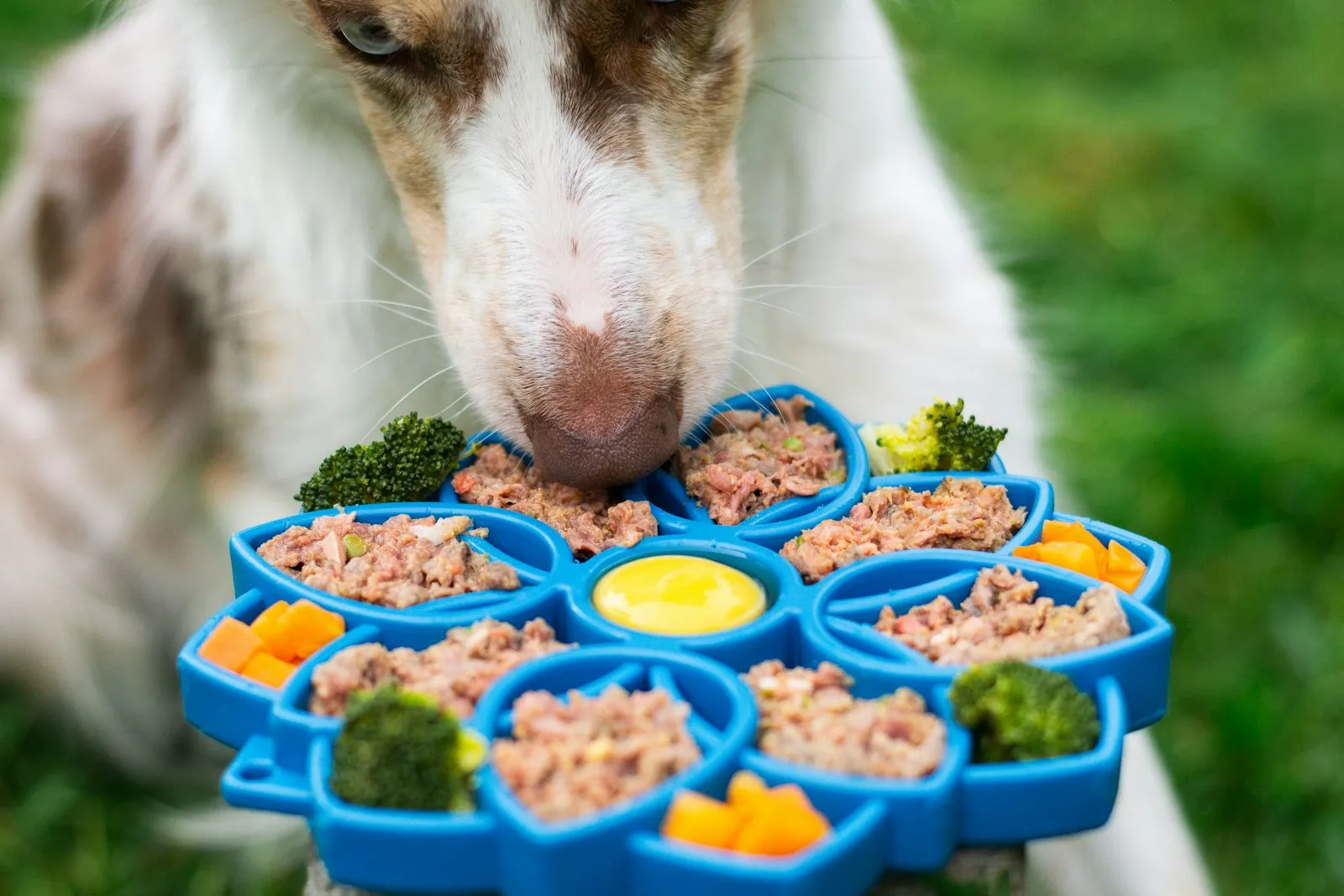

Cooking for your dog can feel like a real act of love. You know exactly what goes into the bowl, you can use fresh ingredients, and many dogs get very excited at mealtime. But everyday feeding is different from the occasional treat. If home-cooked meals become your dog's main diet, they need to be complete and balanced, every single day.
This guide explains how to approach homemade dog food recipes for everyday feeding the safe way. You will learn what "vet approved" should really mean, see simple meal templates to discuss with your vet, and pick up practical routines that make home cooking easier to keep up.
What "Vet Approved" Should Really Mean
Many websites label recipes as "vet approved," but that phrase is not regulated. A truly reliable recipe for daily feeding should be:
- Formulated, or reviewed, by a board-certified veterinary nutritionist
- Balanced to meet a dog's full needs for protein, fat, vitamins, and minerals
- Written for your dog's weight, age, activity level, and health
- Clear about exact ingredient amounts and any required supplements
This matters. A UC Davis study that analyzed 200 homemade dog food recipes from books and websites found that about 95% were missing at least one essential nutrient. Recipes written by board-certified veterinary nutritionists performed much better.
A recipe is only "vet approved" for your dog if a vet or veterinary nutritionist has checked it for your dog.
The Building Blocks of an Everyday Homemade Meal
Most balanced homemade dog food recipes use the same basic parts. Your vet or nutritionist sets the exact amounts.
Protein
Lean cooked meats such as chicken, turkey, lean beef, or white fish, plus cooked eggs. Protein supports muscles, skin, coat, and the immune system.
Carbohydrates and Fiber
Cooked white or brown rice, oats, sweet potato, or potato provide energy. Vegetables like carrots, green beans, pumpkin, and zucchini add fiber and variety.
Healthy Fats
Fats supply energy and help absorb certain vitamins. Your vet may suggest a specific oil, such as fish oil, in a measured amount.
Vitamins and Minerals
This is where most home recipes fail. Meat, rice, and vegetables alone are usually low in calcium and several vitamins and trace minerals. A properly formulated recipe almost always includes a calcium source and a canine vitamin-mineral supplement.
Never skip the supplements listed in a formulated recipe. They are what make the meal complete.
Everyday Recipe Templates to Discuss With Your Vet
The templates below show how everyday homemade dog food recipes are usually built. They are starting points for a conversation with your vet, not finished formulas. Your vet or a nutritionist will set the amounts and add the right supplements for your dog.
Template 1: Chicken, Rice, and Vegetables
- Skinless, boneless chicken breast or thigh, cooked
- Cooked white or brown rice
- Steamed carrots and green beans
- A measured amount of oil recommended by your vet
- Calcium source and vitamin-mineral supplement, as prescribed
Template 2: Turkey, Sweet Potato, and Pumpkin
- Lean ground turkey, fully cooked
- Baked or boiled sweet potato, skin removed
- Plain canned pumpkin (not pie filling)
- Calcium source and vitamin-mineral supplement, as prescribed
Basic Cooking Method
- Cook the meat thoroughly and drain excess fat.
- Cook grains or starchy vegetables until soft.
- Steam or boil vegetables, then chop or mash for easier digestion.
- Let everything cool, then weigh each ingredient as your recipe states.
- Mix in supplements only after cooking, as heat can affect some nutrients.
[Internal Link Suggestion: safe ingredients for homemade dog food → vet-approved homemade dog food safe ingredients and easy meal ideas]
How Much Should Your Dog Eat?
Portions depend on your dog's calorie needs, which vary with size, age, activity, and whether your dog is spayed or neutered. Your vet can estimate a starting amount, then you adjust based on results.
- Weigh your dog every two to four weeks at first.
- Check body condition: you should feel ribs easily under a thin layer of fat.
- Keep treats to about 10% of daily calories.
Adjusting Everyday Meals for Different Dogs
One recipe rarely fits every dog in the house. Nutrient needs change with life stage and health, so homemade dog food recipes should be adjusted for:
- Puppies: They need more calories and carefully balanced calcium and phosphorus for growing bones. Mistakes here can cause lasting problems, so puppy recipes need professional formulation.
- Seniors: Older dogs may need fewer calories, and some benefit from diets adjusted for joint, kidney, or dental health.
- Very active dogs: Working and sporting dogs often need more energy, usually from extra fat.
- Dogs with health conditions: Allergies, pancreatitis, kidney disease, and other conditions often need a specific therapeutic diet.
Is Everyday Home Cooking Right for You?
Before committing, be honest about time and budget. Home cooking takes shopping, cooking, weighing, and storage space, and quality ingredients plus supplements can cost more than a good commercial food. Some owners choose a middle path: feeding a complete commercial diet and adding a small, vet-approved portion of fresh food as a topper.
Making Home Cooking Work Every Day
The biggest challenge with everyday feeding is consistency. These habits help:
- Cook in batches once or twice a week.
- Portion meals into labeled containers with the date.
- Refrigerate what you will use within a few days and freeze the rest.
- Thaw frozen meals in the fridge, not on the counter.
- Follow the recipe exactly each time. Small "swaps" can unbalance it.
When switching from commercial food, transition gradually over about a week, mixing increasing amounts of the new food with the old to avoid stomach upset.
Common Mistakes With Everyday Homemade Feeding
- Using random online recipes without vet review
- Leaving out calcium or vitamin supplements
- Changing ingredients whenever it is convenient
- Guessing portions instead of weighing food and tracking weight
- Adding seasonings, onions, garlic, or other unsafe foods
Also keep toxic foods out of every bowl. The ASPCA lists grapes, raisins, onions, garlic, chocolate, xylitol, and macadamia nuts among the foods pets should never eat.
[Internal Link Suggestion: home cooking food safety for dogs → how to make homemade dog food safely]
When to See a Vet
Talk to your vet before starting a home-cooked diet, especially if your dog is a puppy, a senior, pregnant, or has a medical condition. Book a visit sooner if you notice:
- Weight loss or gain after switching diets
- Vomiting, diarrhea, or constipation lasting more than a day or two
- A dull coat, itchy skin, or low energy
- Limping or stiffness, especially in growing puppies
Regular checkups, sometimes with blood tests, help confirm the diet is working over the long term. Bring your recipe and a list of every supplement to each visit so your vet can review exactly what your dog is eating and suggest changes as your dog's needs shift.
Final Thoughts
Everyday homemade dog food recipes can be a healthy choice when they are properly formulated, measured, and supplemented. Start with a vet conversation, use a recipe built for your dog, cook in batches, and keep an eye on weight and energy. Done well, home cooking can be a rewarding part of daily care. Explore more dog care guides for practical tips.
[Internal Link Suggestion: what vets want owners to know → homemade dog food recipes what vets want pet owners to know]