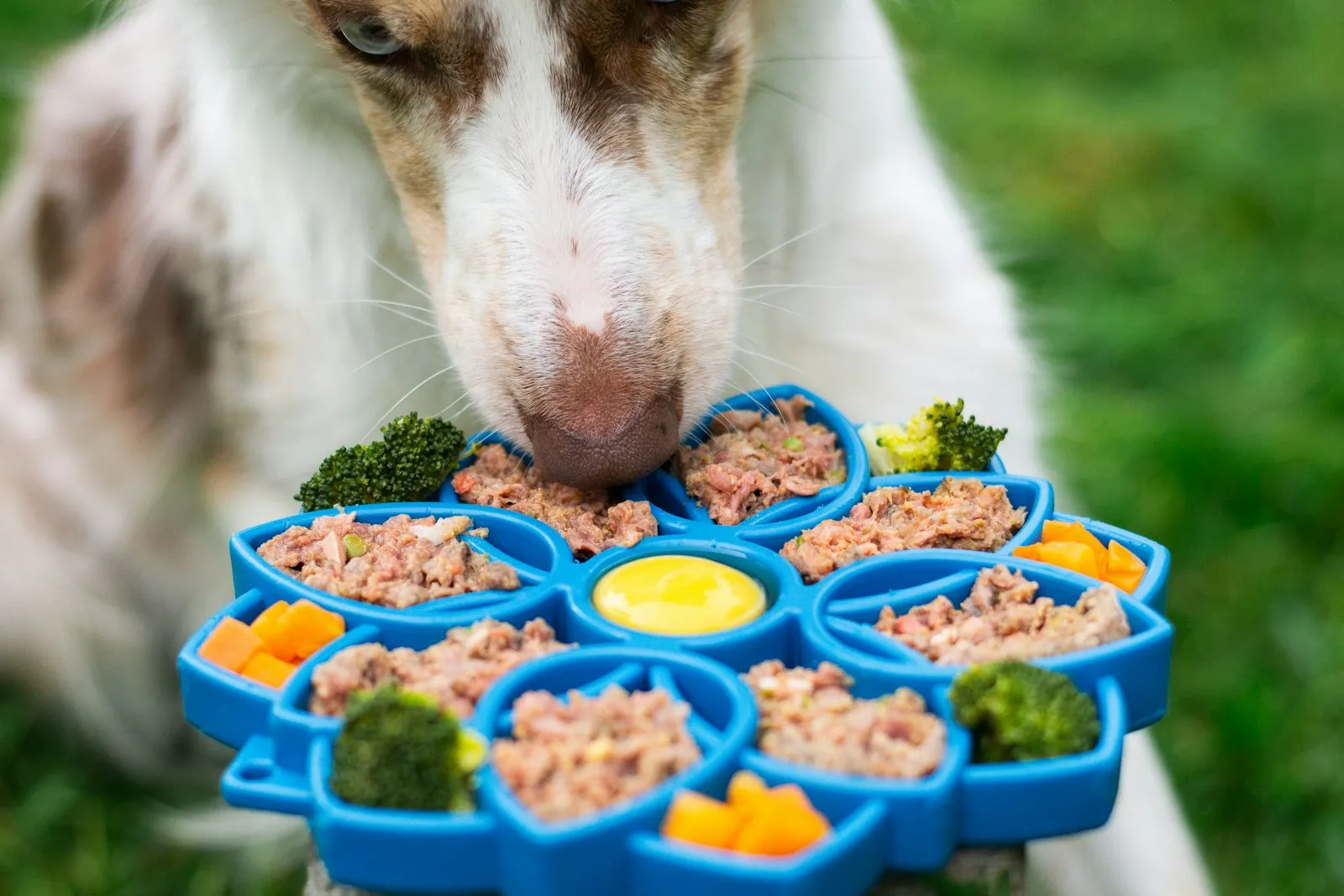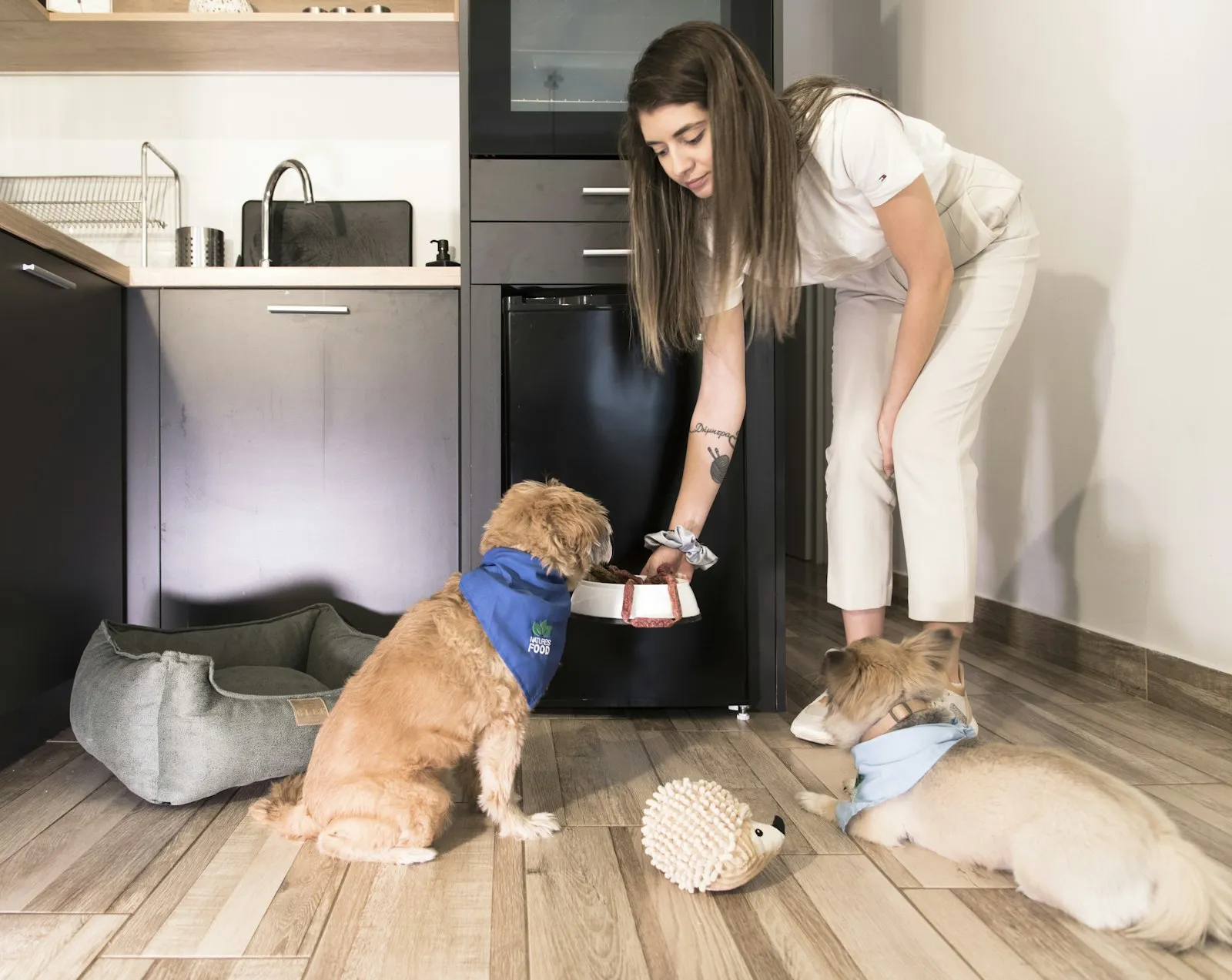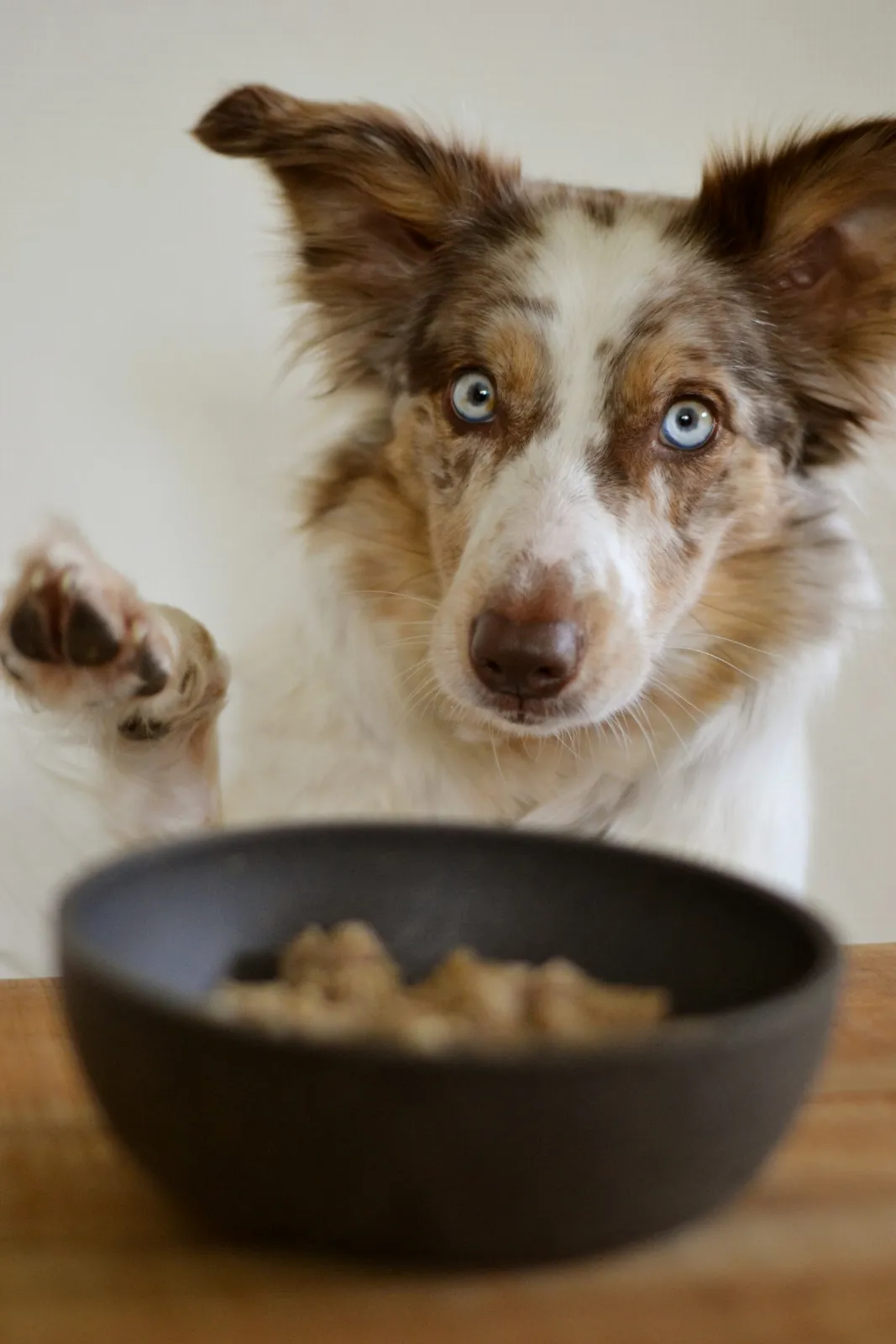

More owners than ever are swapping kibble for home-cooked meals, hoping to give their dogs fresher, simpler food. For a healthy adult dog, a well-planned homemade diet can work beautifully. The key word is well-planned. Dogs have specific nutrient needs, and a bowl of chicken and rice does not meet them on its own.
In this guide, you will learn what makes vet-approved homemade dog food different from a random online recipe, which nutrients healthy dogs need, a few balanced recipe ideas to take to your vet, and how to tell whether your dog is thriving.
Why "Vet-Approved" Matters
When researchers at UC Davis reviewed 200 homemade dog food recipes from books and websites, they found that about 95% were missing at least one essential nutrient. Common gaps included choline, vitamin D, zinc, and vitamin E. Recipes written by board-certified veterinary nutritionists met the standards.
That is the real value of vet-approved homemade dog food: someone with nutrition training has checked that the recipe is complete, balanced, and right for your individual dog.
Fresh ingredients are a great start, but balance is what keeps a dog healthy over months and years.
What Healthy Dogs Need From Every Meal
A balanced diet gives dogs the right mix of these nutrient groups:
- Protein: builds and repairs muscles, skin, and coat
- Fats: provide energy and essential fatty acids for skin and brain health
- Carbohydrates and fiber: supply energy and support digestion
- Vitamins: support vision, immunity, and many body processes
- Minerals: including calcium and phosphorus for bones and teeth
- Water: fresh water should always be available
The most common mistake in home-cooked diets is too little calcium. Meat is rich in phosphorus but low in calcium, so recipes usually need a calcium source.
Why Variety Is Not the Same as Balance
Many owners try to balance a diet by rotating proteins and vegetables, hoping the gaps will even out. Unfortunately, it rarely works. If every recipe in the rotation is low in the same nutrients, such as calcium, zinc, or vitamin D, rotating them does not fix the problem. That is why vet-approved homemade dog food relies on a measured recipe and supplements rather than guesswork. Variety can still be healthy, but each recipe in the rotation should be balanced on its own.
Balanced Recipe Ideas to Review With Your Vet
These ideas show how healthy homemade meals are usually put together. Treat them as templates. Your vet or a board-certified veterinary nutritionist should set the exact amounts and supplements based on your dog's weight, age, and activity.
Idea 1: Beef, Brown Rice, and Carrots
- Lean ground beef, cooked and drained
- Cooked brown rice
- Steamed carrots and peas
- Prescribed calcium source and vitamin-mineral supplement
Idea 2: White Fish, Quinoa, and Green Beans
- Boneless white fish, such as cod, fully cooked
- Cooked quinoa, rinsed well before cooking
- Steamed green beans and zucchini
- Prescribed oil, calcium, and vitamin-mineral supplement
Idea 3: Chicken, Oats, and Pumpkin
- Skinless, boneless chicken, cooked
- Plain cooked oats
- Plain canned pumpkin
- Prescribed calcium source and vitamin-mineral supplement
Simple Preparation Steps
- Cook all meat and fish thoroughly and remove any bones.
- Cook grains until soft.
- Steam or boil vegetables and chop them finely.
- Cool, weigh, and mix the ingredients exactly as your recipe states.
- Add supplements after cooking, then portion into containers.
[Internal Link Suggestion: everyday homemade dog food recipes → homemade dog food recipes vet approved for everyday feeding]
How to Get Your Dog's Recipe Approved
Getting a truly vet-approved homemade dog food plan is easier than many owners think.
- Start with your regular vet. Share your goals and your dog's health history.
- Ask about a nutrition referral. Your vet may refer you to a board-certified veterinary nutritionist, who can formulate a custom recipe.
- Consider remote consults. Some veterinary nutrition services create recipes remotely, based on your vet's records.
- Follow up. Recheck weight and health after a few weeks, and review the recipe if needs change.
Be careful with the word "nutritionist." It is not a regulated title, so look for board certification in veterinary nutrition.
A Simple Feeding Routine for Healthy Adult Dogs
Once your recipe is ready, a steady routine makes vet-approved homemade dog food easy to live with.
Meal Frequency
Most healthy adult dogs do well on two meals a day, roughly 8 to 12 hours apart. Feeding at the same times each day helps digestion and makes it easier to notice changes in appetite. Puppies usually need more frequent meals.
Storage and Freshness
Cook in batches, cool the food quickly, and divide it into daily portions. Keep a few days' worth in the fridge and freeze the rest. Always thaw frozen meals in the refrigerator, and throw away anything left in the bowl after about 30 minutes, especially in warm weather.
Keeping Costs Under Control
Home cooking does not have to be expensive. Buy proteins in bulk when they are on sale, choose seasonal vegetables, and freeze portions ahead. Ask your vet whether a lower-cost protein or grain can be used in your recipe, rather than making swaps on your own. A written, vet-approved homemade dog food plan with approved alternatives gives you flexibility without risking balance.
Signs Your Dog Is Thriving on Homemade Food
A healthy dog on a balanced diet usually shows:
- A stable, healthy weight with an easily felt waist and ribs
- A shiny coat and healthy skin
- Steady energy and good muscle tone
- Firm, regular stools
- Good appetite and interest in meals
Common Mistakes to Avoid
- Relying on one or two ingredients: Simple "chicken and rice" is fine for a short upset stomach, not for long-term feeding.
- Skipping supplements: These fill the nutrient gaps that fresh foods leave.
- Improvising swaps: Changing proteins or grains without advice can unbalance the recipe.
- Using unsafe foods: Keep grapes, raisins, onions, garlic, chocolate, xylitol, and macadamia nuts out of every meal.
- Overfeeding: Rich home-cooked meals can lead to weight gain if portions are not measured.
[Internal Link Suggestion: safe ingredients list for dogs → vet-approved homemade dog food safe ingredients and easy meal ideas]
Is Homemade Food Better Than Commercial Food?
Not automatically. A complete and balanced commercial diet made by a reputable company is a healthy choice for most dogs. Homemade food can be just as good when it is properly formulated, and some owners prefer it for picky eaters or to control ingredients. The best diet is one that is balanced, suits your dog, and fits your lifestyle.
When to See a Vet
Check with your vet before changing your dog's diet, and book a visit if you notice:
- Unplanned weight loss or gain
- Vomiting, diarrhea, or constipation that lasts more than a day or two
- Hair loss, a dull coat, or itchy skin
- Low energy, weakness, or stiffness
Puppies, seniors, and dogs with medical conditions need extra care, since diet mistakes can affect them faster.
Final Thoughts
Vet-approved homemade dog food can support a healthy, happy dog when it is complete, balanced, and made for your dog's needs. Work with your vet, use a formulated recipe, measure carefully, and watch how your dog responds. For more feeding advice, explore our dog care guides.
[Internal Link Suggestion: making dog food safely at home → how to make homemade dog food safely with vet-approved ideas]