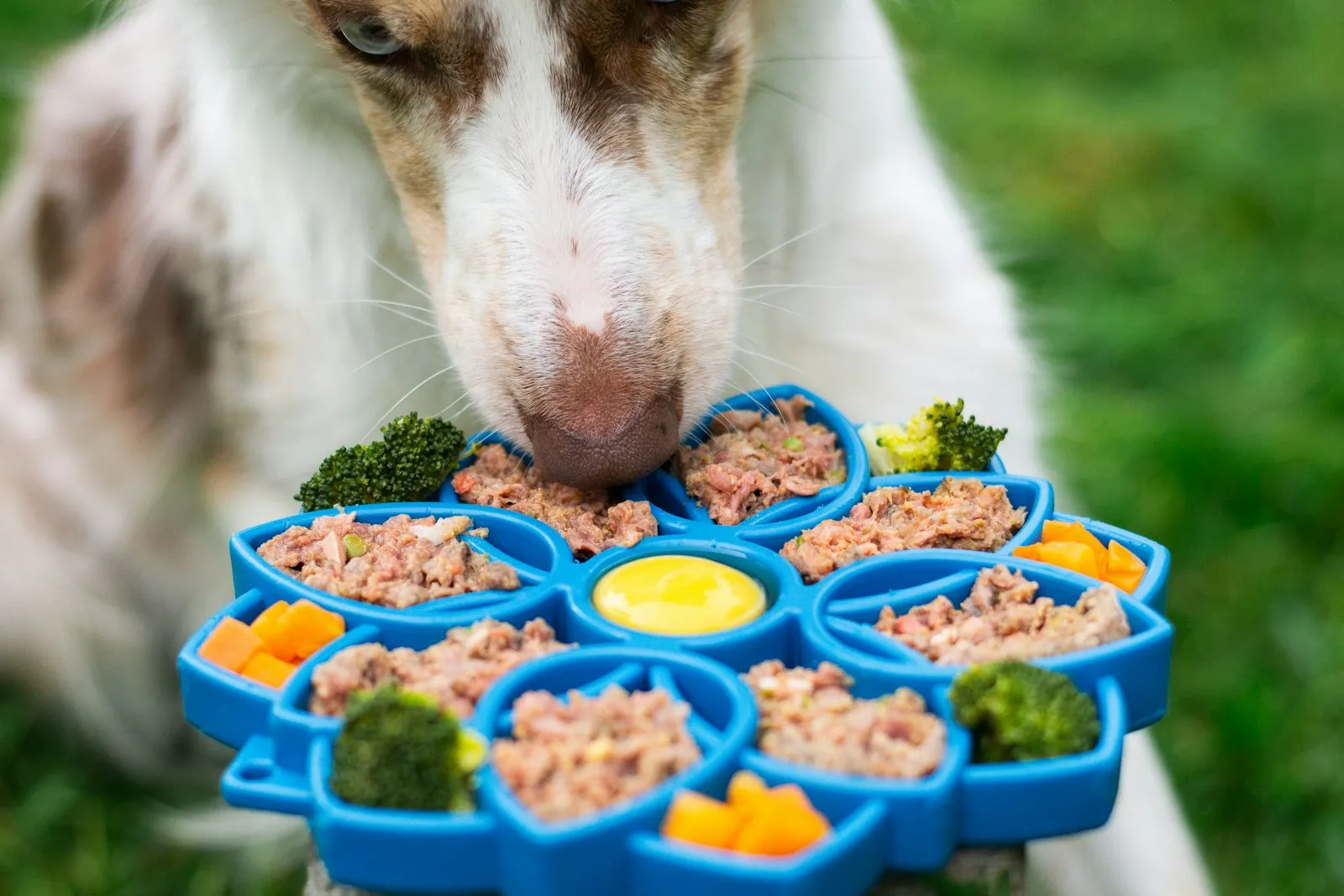
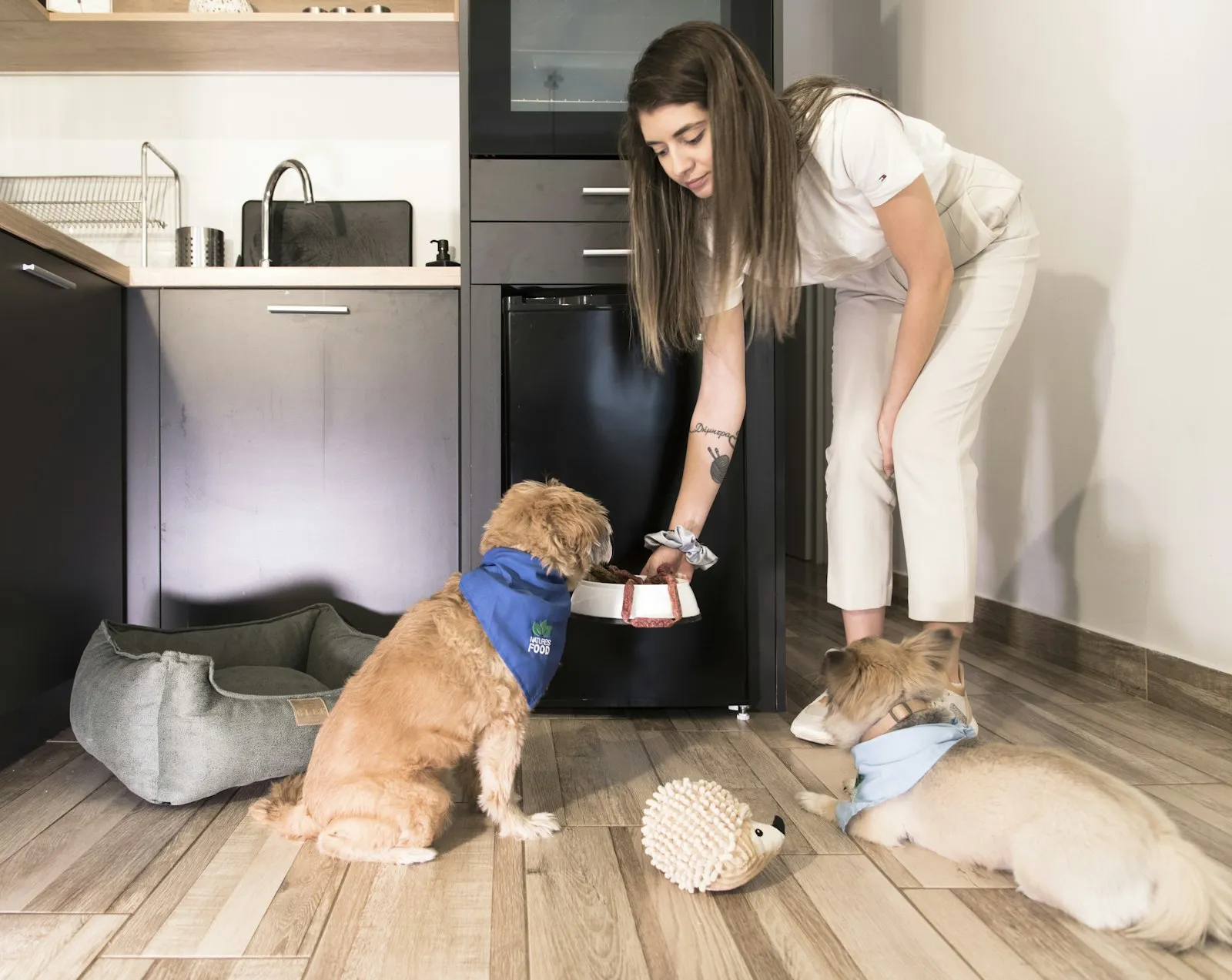
Cooking your dog's meals at home can be rewarding, but it comes with two big responsibilities. First, the food must be nutritionally complete. Second, it must be safe, free from harmful bacteria, bones, and toxic ingredients. Many owners focus on the first part and forget the second.
This step-by-step guide shows you how to make homemade dog food safely, from planning a balanced recipe with your vet to cooking, cooling, storing, and serving. Follow these habits and you will protect both your dog and your family.
Step 1: Start With a Balanced, Vet-Approved Recipe
Safety starts before you turn on the stove. A recipe that looks healthy can still be missing key nutrients. When UC Davis researchers analyzed 200 homemade dog food recipes, about 95% had at least one nutrient deficiency.
- Ask your vet to review any recipe before you use it daily.
- For long-term feeding, consider a recipe formulated by a board-certified veterinary nutritionist.
- Make sure the recipe lists exact amounts and required supplements.
Safe food is balanced food. A clean kitchen cannot fix a recipe that is missing calcium or vitamins.
[Internal Link Suggestion: vet-approved recipes for healthy dogs → vet-approved homemade dog food recipes for healthy dogs]
Step 2: Shop and Prepare Ingredients Safely
Choose fresh, plain ingredients from trusted stores. Avoid processed meats such as sausages, bacon, and deli meats, which are high in salt and fat and may contain onion or garlic powder.
Equipment That Makes It Easier
You do not need fancy tools to make homemade dog food, but a few basics help you stay accurate and safe:
- A digital kitchen scale for weighing ingredients
- A food thermometer
- A large pot or slow cooker for batch cooking
- Airtight, freezer-safe containers and labels
Kitchen Hygiene Basics
- Wash your hands before and after handling raw meat.
- Use separate cutting boards for raw meat and vegetables.
- Wash vegetables well under running water.
- Clean counters, knives, and bowls with hot, soapy water.
- Keep raw meat in the fridge until you are ready to cook.
These are the same habits that protect people from food poisoning. Salmonella and other bacteria can make both dogs and humans sick.
Step 3: Cook to Safe Temperatures
Thorough cooking kills harmful bacteria. A simple food thermometer is one of the best tools you can buy when you make homemade dog food. Use the same safe minimum temperatures recommended for people:
- Poultry (chicken, turkey): 165°F (74°C)
- Ground meats (beef, pork): 160°F (71°C)
- Fish: 145°F (63°C)
- Eggs: cook until both white and yolk are firm
Remove Every Bone
Never feed cooked bones. They can splinter and cause choking, mouth injuries, or dangerous blockages in the gut. Check fish and poultry carefully, and buy boneless cuts where possible.
Skip the Seasoning
Dogs do not need salt, spices, sauces, or stock cubes. Many seasonings contain onion or garlic, which can damage a dog's red blood cells. Cook in plain water or with the small amount of oil your recipe allows.
Rule of thumb: if you would season it for yourself, cook your dog's portion separately and plain.
Step 4: Cool, Portion, and Store Correctly
Bacteria grow quickly in warm food, so what you do after cooking matters as much as the cooking itself.
Cooling and Storage Checklist
- Spread food in shallow containers so it cools faster.
- Refrigerate within two hours of cooking.
- Mix in supplements once the food has cooled, as your recipe directs.
- Portion into daily servings and label with the date.
- Use refrigerated food within three to four days.
- Freeze extra portions and use them within about two to three months for best quality.
Safe Thawing and Serving
Thaw frozen meals in the refrigerator overnight, never on the counter. Serve food at room temperature or slightly warm. If you microwave it, stir well and check for hot spots. Remove uneaten food after about 30 minutes and wash the bowl daily.
Step 5: Know the Foods Dogs Must Never Eat
The ASPCA lists several common foods that are dangerous for pets. Keep these out of your dog's meals and treats:
- Grapes and raisins
- Onions, garlic, chives, and leeks
- Chocolate, coffee, and caffeine
- Xylitol, a sweetener found in some peanut butters, gums, and baked goods
- Macadamia nuts
- Alcohol and raw yeast dough
- Cooked bones and very fatty scraps
Always check labels. Xylitol, in particular, hides in products many people would never suspect.
[Internal Link Suggestion: safe ingredients for dogs → vet-approved homemade dog food safe ingredients and easy meal ideas]
What About Raw Diets?
Some owners prefer raw feeding. Raw meat and eggs can carry bacteria such as Salmonella and E. coli, which can sicken dogs and the people who handle their food or clean up after them. Because of these risks, many vets recommend cooking. If you are considering raw food, discuss it with your vet first, especially if anyone in your home is very young, elderly, pregnant, or has a weak immune system.
A Simple Batch-Cooking Plan
Most owners find it easiest to make homemade dog food once or twice a week. A typical session looks like this: weigh the ingredients, cook the protein and grains, steam the vegetables, cool everything quickly, mix in the supplements, and portion into labeled containers. Clean up straight away so raw meat juices never sit on the counter. Keeping a written copy of the recipe on the fridge helps everyone in the family follow it exactly.
Step 6: Switch Diets Gradually
When you first make homemade dog food part of the routine, go slowly. A sudden change in diet can upset your dog's stomach, even when the new food is excellent. Mix a small amount of the new homemade food into the old food and increase it gradually over about a week. Watch your dog's stool, appetite, and energy along the way.
Common Safety Mistakes
Even careful owners slip up sometimes. If you make homemade dog food regularly, watch out for these habits, since they are the ones most likely to cause stomach upsets or food poisoning:
- Leaving cooked food out on the counter to cool for hours
- Feeding leftovers from family meals that contain onion, garlic, or spices
- Guessing cooking times instead of using a thermometer
- Keeping food in the fridge for too long
- Using a new recipe daily without vet review
When to See a Vet
Contact your vet or an emergency clinic right away if your dog eats something toxic, such as grapes, chocolate, or xylitol, even if it seems fine. Also book a visit if your dog has:
- Vomiting or diarrhea that lasts more than a day, or contains blood
- Signs of pain, bloating, or trouble passing stool
- Weight loss, a dull coat, or low energy after switching diets
Final Thoughts
Learning to make homemade dog food safely comes down to a few habits: start with a balanced recipe, keep your kitchen clean, cook to safe temperatures, store food correctly, and avoid toxic ingredients. With these steps in place, home cooking can be a safe and caring part of your dog's routine. Discover more in our dog care guides.
[Internal Link Suggestion: what vets want you to know about homemade diets → homemade dog food recipes what vets want pet owners to know]