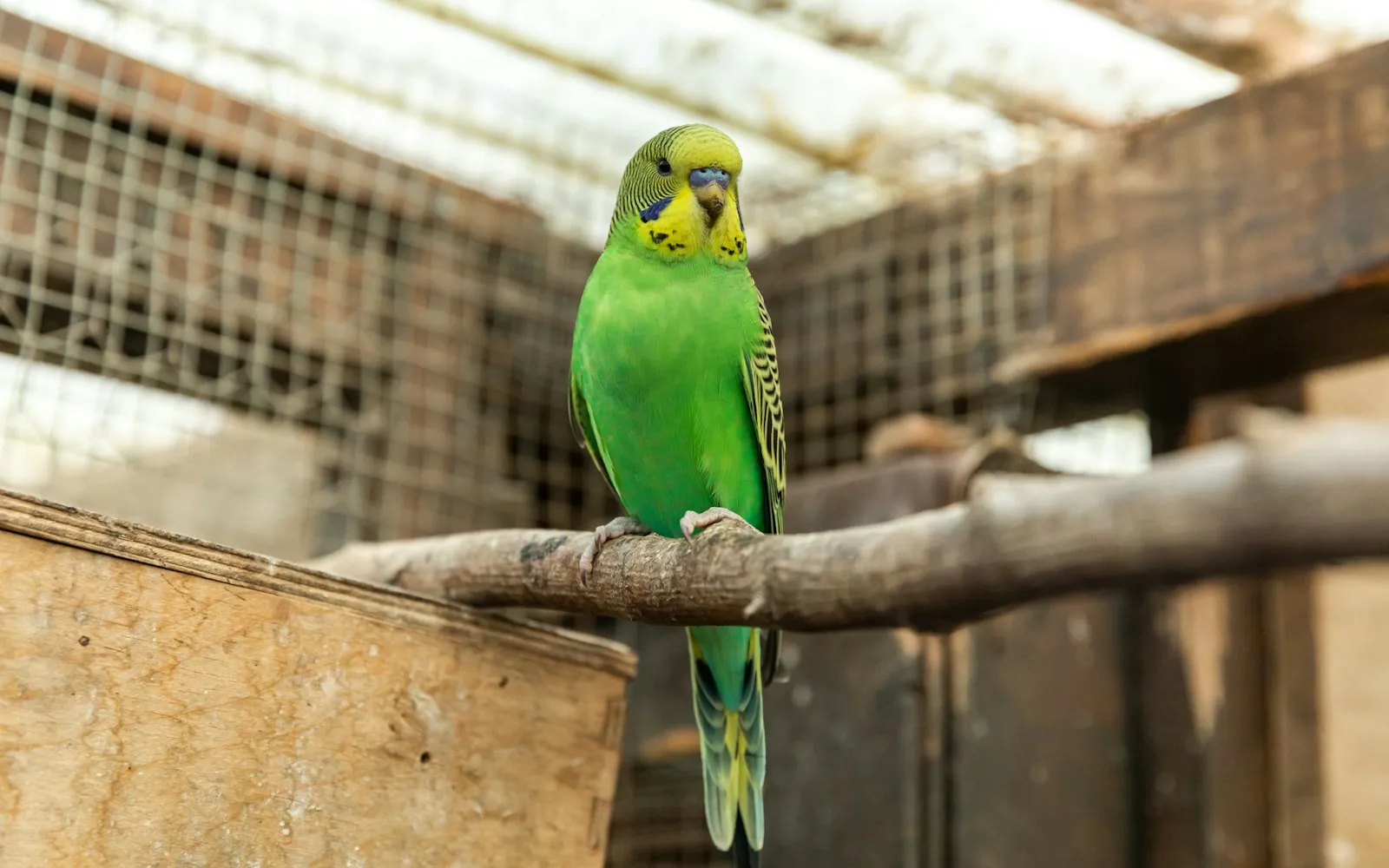
Bringing home your first bird is exciting. Birds are bright, social, and full of personality. They also depend on you for almost everything, from fresh food each morning to a quiet, dark place to sleep at night.
This guide gathers the bird care basics into one place. First you will learn the core essentials, then you will get a simple daily, weekly, monthly, and yearly routine you can follow from day one.
The Seven Bird Care Basics Every Bird Needs
Every pet bird, from a tiny finch to a cockatiel, needs the same foundations. The details change by species, but the list stays the same.
- A roomy, safe cage
- A balanced diet built on pellets and fresh foods
- Clean water every day
- A clean living space
- Enough sleep in the dark
- Daily enrichment and social time
- Regular checkups with an avian vet
Birds thrive on routine. A predictable day helps them feel safe, and it helps you notice quickly when something is off.
The Cage: Home Base
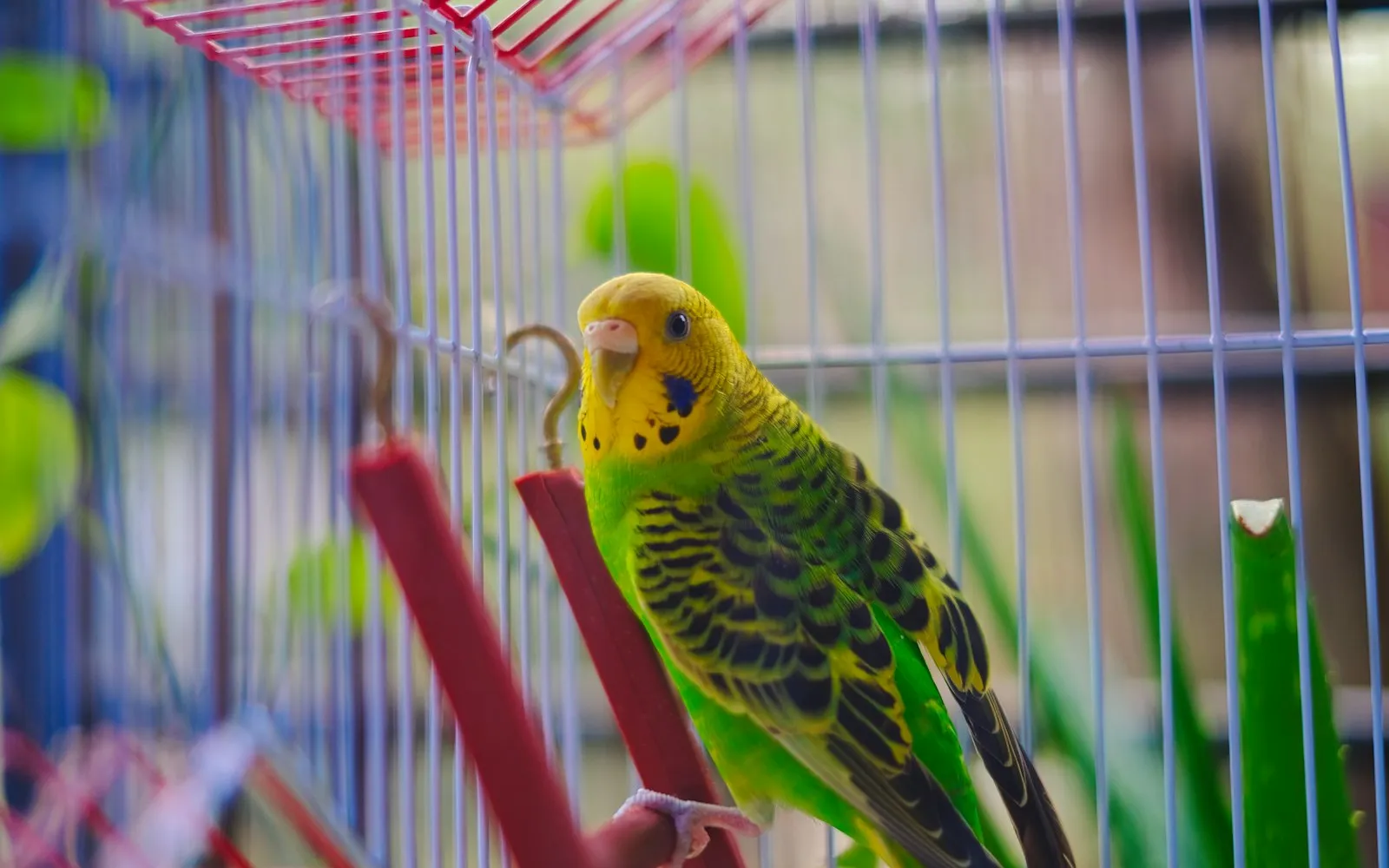
Of all the bird care basics, the cage is the one you set up first. Choose the largest cage you can fit and afford. Your bird should be able to stretch and flap its wings fully without touching the sides. For a budgie, one avian clinic lists a minimum of about 20 x 12 x 18 inches (51 x 30 x 46 cm), and bigger is always better.
Bar spacing matters too. For small birds such as budgies, bars should be no more than about half an inch (1.3 cm) apart so heads and feet cannot get stuck. A cage that is wider than it is tall gives more room to flutter.
Perches and Placement
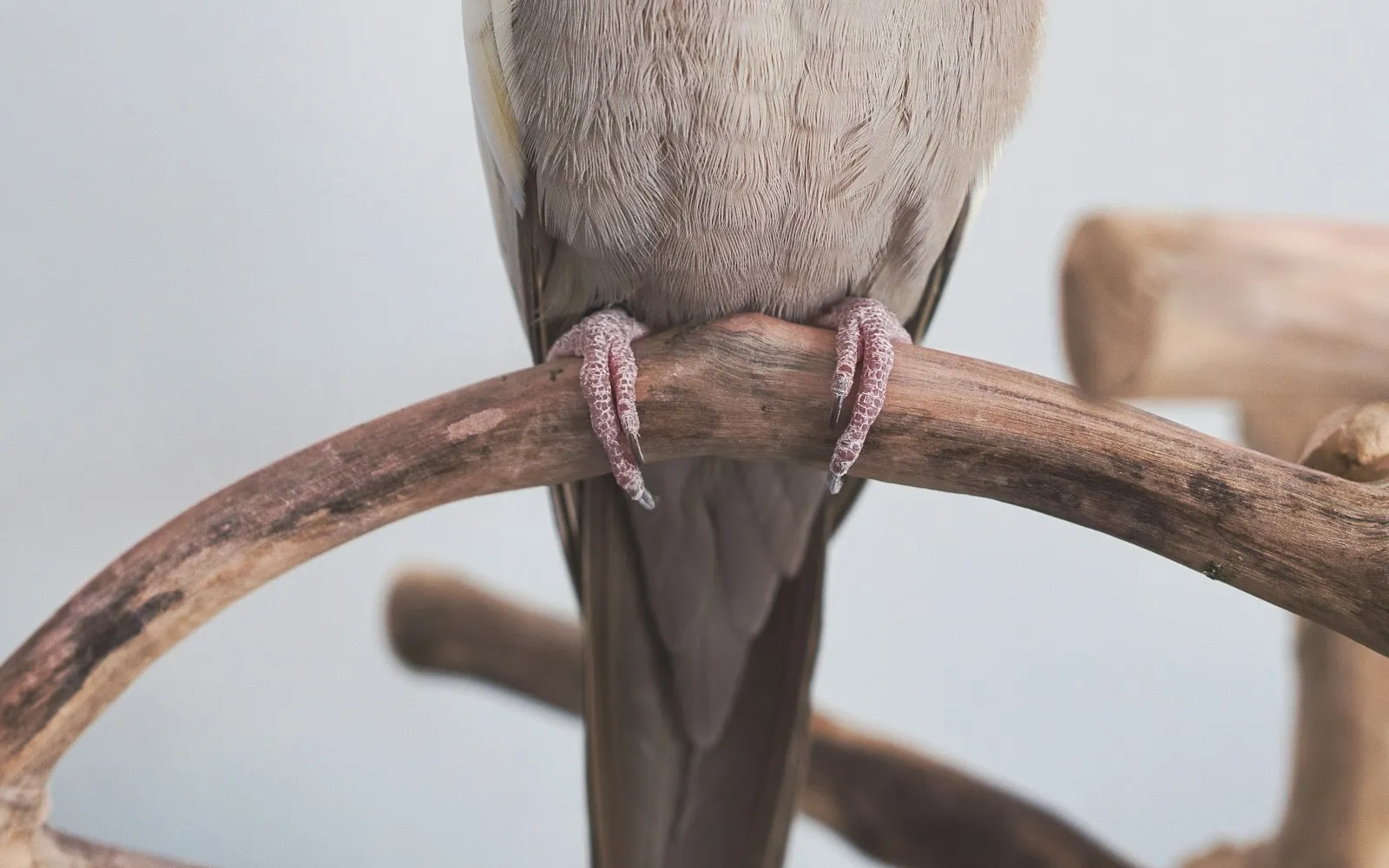
Offer several perches of different widths and materials, such as natural wood branches. This keeps feet healthy. Place the cage against a wall in a room where the family spends time, away from drafts, direct sun, and the kitchen.
Diet and Water
Seeds alone are high in fat and low in key nutrients. The Merck Veterinary Manual explains that pellets are a better base because the bird cannot simply pick out its favorite bits. Add small amounts of fresh vegetables and some fruit each day.
Your vet can suggest the right balance for your species. Small birds such as budgies and cockatiels often still eat some seed, while larger parrots usually need more pellets.
Rule of thumb: fresh water every day, fresh food every day, and remove uneaten fresh food within a few hours.
[Internal Link Suggestion: beginner-friendly species → best pet birds for beginners]
Sleep and Light
Most pet birds need a long, dark, quiet night. One avian clinic recommends a cycle of about 12 hours of light and 12 hours of darkness for budgies. A good target for most small birds is about 10 to 12 hours of sleep. A breathable cage cover or a quiet back room can help.
Enrichment and Handling
Mental exercise is one of the bird care basics that new owners often overlook. Birds are smart and easily bored. Give them chew toys, foraging toys, swings, and ladders, and rotate them so there is always something new. Budgies and many parrots also need supervised time outside the cage every day.
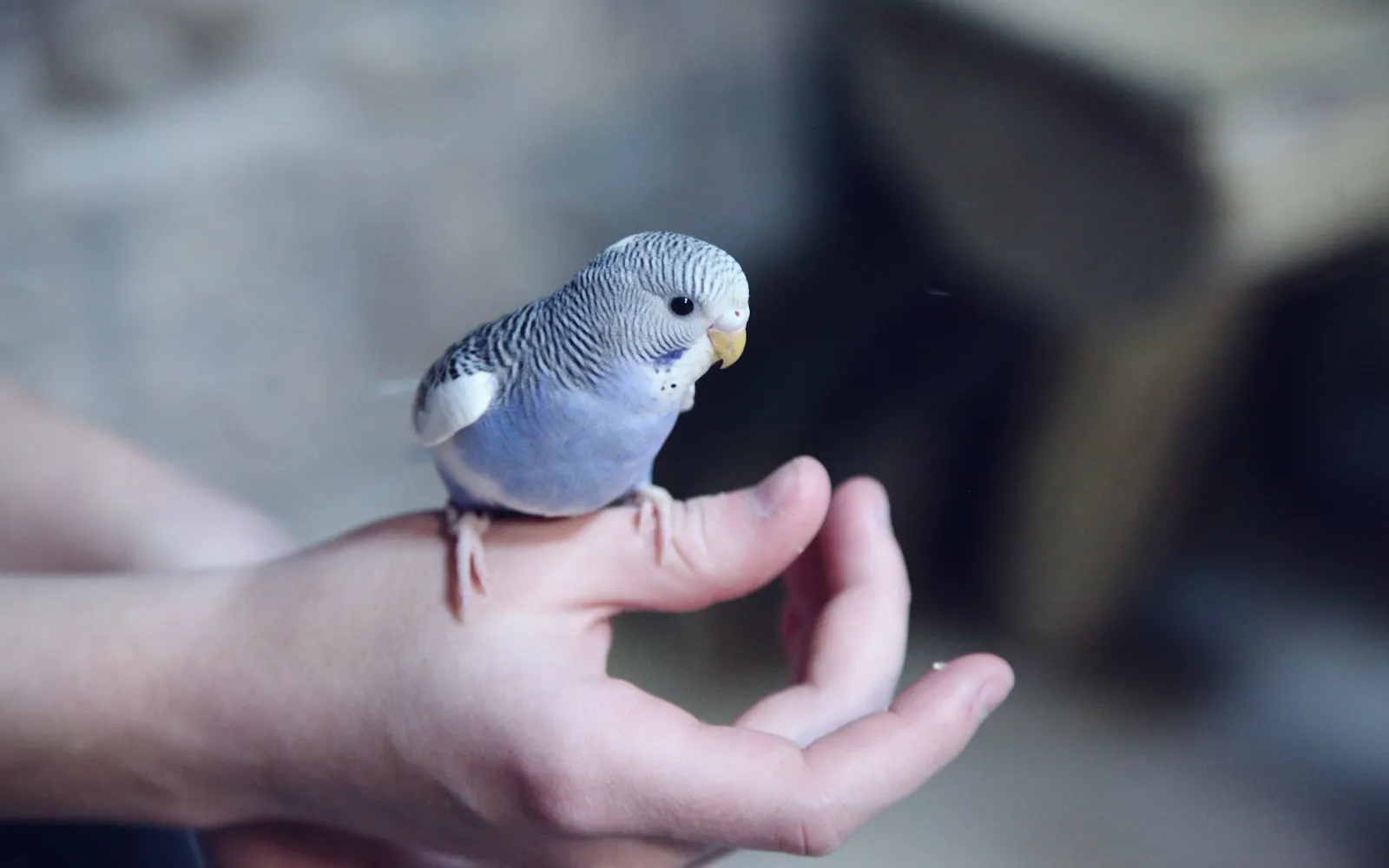
Handle your bird gently and often if it is a species that enjoys contact. Finches and canaries, by contrast, usually prefer to be watched rather than held.
Turning Bird Care Basics Into a Routine
Once you know the essentials, the next step is turning them into habits. This routine makes the bird care basics easy to remember.
Every Day
- Empty, wash, and refill water dishes or bottles.
- Offer fresh pellets and a small portion of vegetables.
- Remove leftover fresh food before it spoils.
- Change or shake out the cage paper and check the droppings.
- Spend time talking, training, or playing with your bird.
- Give supervised out-of-cage time in a bird-safe room.
- Cover the cage or dim the room at a regular bedtime.
That quick look at droppings is valuable. Changes in color, amount, or texture can be an early sign of illness.
Every Week
- Scrub food and water dishes thoroughly with hot, soapy water, then rinse well.
- Wipe down perches and cage bars, and clean the cage tray.
- Offer baths. Many budgies enjoy a shallow dish or a gentle mist of plain water several times a week.
- Swap a few toys for different ones.
- Check nails and beak for overgrowth.
Weigh Your Bird Weekly
A small kitchen scale that measures in grams is one of the best tools you can own. Birds hide illness well, and weight loss is often the first clue. Keep a simple log so you can spot a trend.
Every Month
- Deep clean the whole cage, including the grate and corners.
- Replace worn perches and damaged or frayed toys.
- Review your bird's weight log for gradual changes.
- Check that food is fresh and stored in a cool, dry, sealed container.
Every Year
Book a wellness exam with an avian veterinarian at least once a year. VCA notes that many avian vets recommend checkups twice a year so problems can be found early. The vet may weigh your bird, check its body condition, and suggest tests such as a fecal exam or blood work.
A yearly visit is also a good time to review your bird care basics with the vet, including diet, nail and wing trims, and any behavior changes you have noticed.
[Internal Link Suggestion: getting ready for arrival → what to know before bringing a pet bird home]
How Much Time Does It Take?
The daily chores themselves are quick, often 15 to 20 minutes for feeding, water, and paper changes. Social time is the bigger commitment. An avian clinic suggests budgies get a few hours out of the cage each day, spread across morning and evening.
If your schedule is packed, plan the bird care basics around fixed anchors, such as feeding before breakfast and playtime after dinner. Birds cope better with a steady rhythm than with long, unpredictable gaps.
Common Beginner Mistakes
New owners often mean well but slip into habits that cause problems. Watch out for these:
- Feeding an all-seed diet because the bird seems to love it
- Placing the cage in or near the kitchen, where fumes and smoke collect
- Keeping the bird up late with lights and TV
- Using the same toys for months
- Waiting until a bird looks very sick before calling the vet
Getting the bird care basics right early is much easier than fixing problems later.
When to See a Vet
Birds instinctively hide weakness, so by the time signs are obvious, a bird may be quite ill. Contact an avian vet promptly if you notice:
- Fluffed feathers and sleeping much more than usual
- Sitting on the cage floor or struggling to perch
- Tail bobbing, open-mouth breathing, or clicking sounds
- Changes in droppings that last more than a day
- Eating or drinking less, or sudden weight loss
- Discharge from the eyes or nostrils
- Bleeding, injuries, or any possible poisoning
Treat breathing trouble, bleeding, or suspected poisoning as an emergency. Never try home remedies or medications without veterinary advice.
[Internal Link Suggestion: long-term husbandry and safety → beginner's guide to keeping pet birds]
Final Thoughts
Good bird care basics come down to a clean cage, a balanced diet, fresh water, good sleep, daily attention, and regular vet visits. Build these into a routine, and your bird will reward you with years of song, chatter, and companionship. For more help, browse our bird care guides.