
If you have ever lived with a black-and-white cat, you have probably heard someone say they are "a different kind of cat." Owners describe them as bold, chatty, clever, and a little bit dramatic. But how much of that is real, and how much is just a fun story we tell about a striking coat?
This guide looks at tuxedo cat personality in a practical way. You will learn which traits owners notice most, what really shapes how a cat behaves, and the daily care that helps any tuxedo cat feel settled and confident. If you are thinking about adopting one, you will also get a clear picture of what life together is likely to look like.
What Is a Tuxedo Cat?
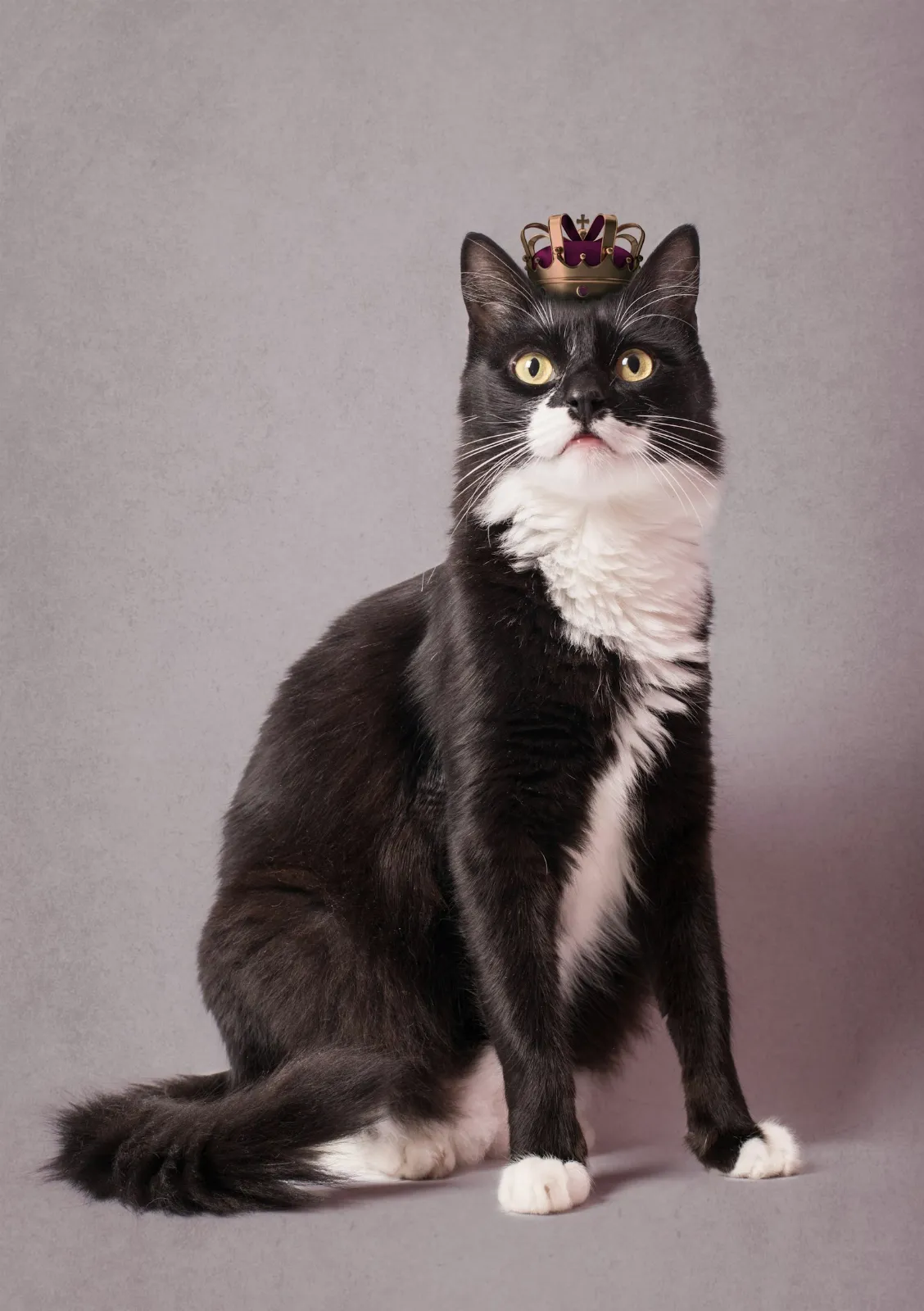
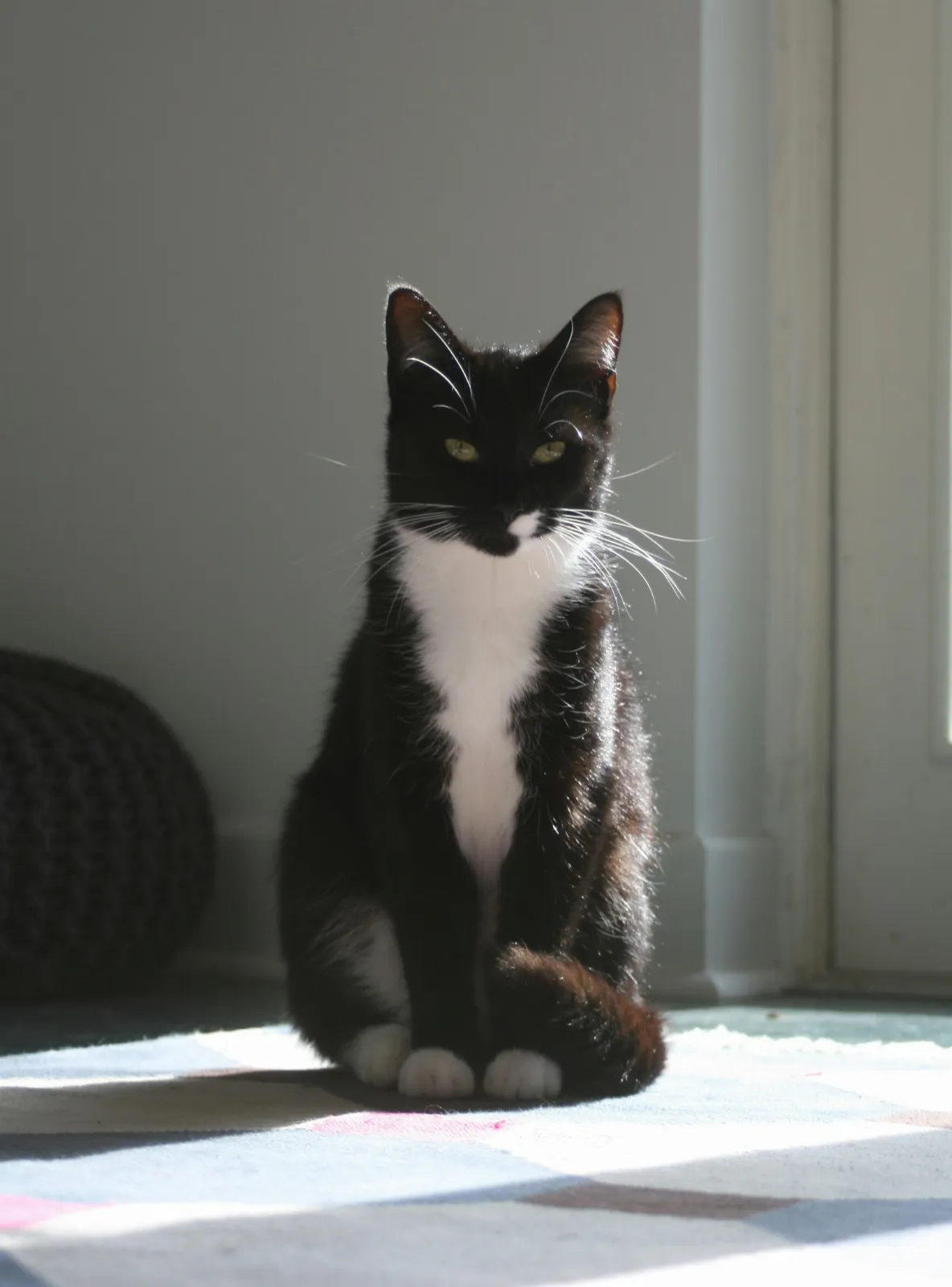
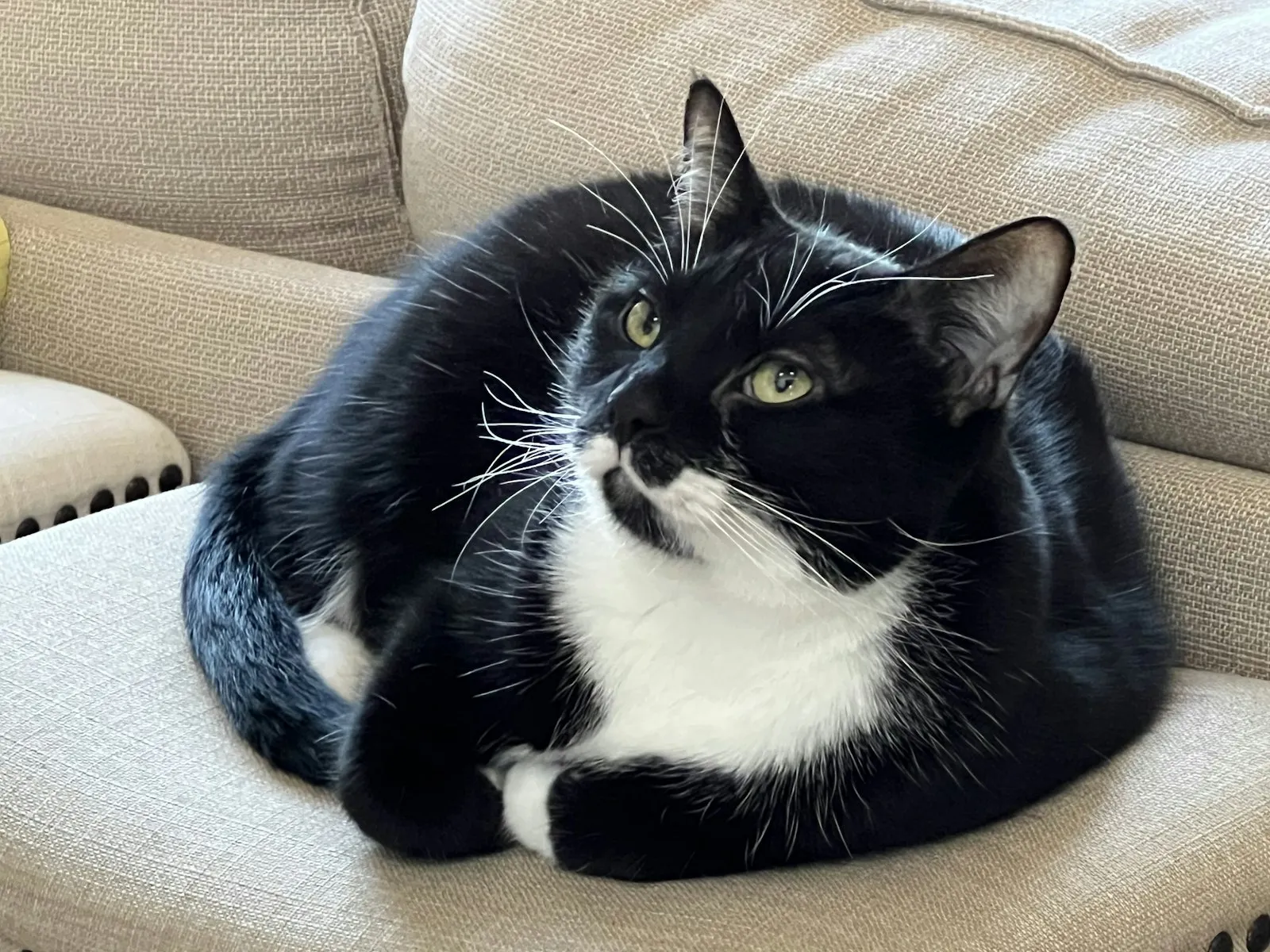
A tuxedo cat is not a breed. The name describes a coat pattern: a mostly black (or sometimes grey) coat with white on the chest, paws, belly, and often the chin or face. The look resembles a formal suit, which is where the nickname comes from.
Because it is a pattern and not a breed, tuxedo markings can appear on many kinds of cats, including everyday domestic shorthairs and domestic longhairs. That matters, because it means there is no single "breed standard" for temperament.
A tuxedo is a coat pattern, not a personality type. The cat inside the coat is still an individual.
Common Tuxedo Cat Personality Traits Owners Notice
There is no scientific proof that coat color decides behavior. Still, when people describe a typical tuxedo cat personality, they report a similar set of traits. Think of these as common observations, not guarantees.
Confident and Curious
Many tuxedo cats walk into a new room as if they own it. They investigate bags, boxes, and open cupboards, and they often want to be where the action is. This curiosity makes them fun to live with, but it also means you need to cat-proof your home.
Vocal and Social
A chatty streak is one of the most talked-about parts of the tuxedo cat personality. Owners often describe their tuxedo cats as talkative. They may greet you at the door, "answer" when you speak, or follow you from room to room. A social cat like this usually does best with regular interaction and play.
Playful Well Into Adulthood
Some cats slow down after kittenhood. Many tuxedo owners say their cats keep a playful streak for years. Wand toys, puzzle feeders, and short chase games are often a big hit.
Affectionate on Their Own Terms
A tuxedo cat may love lap time in the evening and want no contact at all in the morning. That is normal cat behavior. Letting your cat choose when to cuddle builds trust much faster than picking them up often.
What Really Shapes a Tuxedo Cat's Personality
If coat color does not decide temperament, what does? Several factors matter far more than markings.
- Early socialization: Kittens that meet gentle people, sounds, and handling between roughly 2 and 7 weeks of age tend to grow into more relaxed adults.
- Genetics and breed background: A tuxedo-patterned Maine Coon and a tuxedo domestic shorthair may have quite different energy levels.
- Life experience: Past stress, rehoming, or a noisy shelter can make a cat more cautious for a while.
- Health: Pain or illness often shows up first as a change in mood, hiding, or irritability.
- Environment: A home with climbing spots, hiding places, and routine helps most cats show their best side.
In short, the tuxedo cat personality you see at home is shaped mostly by upbringing, health, and daily life, not by the black-and-white fur.
[Internal Link Suggestion: do tuxedo cats have a unique personality → owner's guide to reading your tuxedo cat's behavior]
What to Expect When You Bring a Tuxedo Cat Home
Every cat adjusts at its own pace, but most follow a similar pattern in the first few weeks.
- Days 1–3: Expect hiding. Set up one quiet room with food, water, a litter tray, a bed, and a hiding box.
- Week 1–2: Your cat starts exploring more. Short, calm play sessions help build confidence.
- Weeks 3–6: Their real personality usually shows. You will learn whether you have a lap cat, an explorer, or a comedian.
Try not to judge a new cat's personality in the first few days. A shy cat in week one can be the loudest cat in the house by month two.
Tuxedo Cat Personality With Children and Other Pets
A friendly, social tuxedo cat personality often fits well in busy family homes, but introductions still matter. Teach children to let the cat approach first, to stroke gently along the back, and to leave a sleeping cat alone.
With other pets, go slowly. Swap bedding so animals learn each other's scent, then allow short, supervised meetings. Keep separate food bowls, litter trays, and resting spots so nobody has to compete. If you are adopting from a shelter, ask staff how the cat has reacted to dogs, cats, or kids. That real history tells you far more about a tuxedo cat personality than the coat ever will.
Care Tips That Suit a Tuxedo Cat's Personality
Good care supports good behavior. These basics help any curious, social cat thrive.
Daily Play and Enrichment
Aim for two or three short play sessions a day, around 10 to 15 minutes each. Use a wand toy to mimic hunting: stalk, chase, pounce, and a final "catch." End with a small meal or treat so the routine feels complete.
- Rotate toys weekly so they stay interesting.
- Offer puzzle feeders for part of the daily food.
- Add a window perch for bird watching.
Safe Spaces and Vertical Territory
Confident cats still need places to retreat. Provide cat trees, shelves, and at least one covered bed. Vertical space helps reduce stress, especially in homes with more than one pet.
Grooming and Routine Handling
Most tuxedo cats have short coats that need brushing about once a week. Long-haired cats need it more often. Use grooming time to check ears, teeth, and nails, and to get your cat used to being handled calmly.
Sun Care for White Areas
Pale noses and white ear tips can sunburn more easily. If your cat loves sunny windowsills, watch for redness or crusting on these spots and keep outdoor sun exposure limited during the hottest hours.
[Internal Link Suggestion: tuxedo cat grooming routine → tuxedo cat guide for beginners]
Common Mistakes Owners Make
- Expecting a "type": Assuming your cat will act a certain way because of its coat can lead to frustration.
- Too little play: A bored, energetic cat often finds its own entertainment, like knocking items off shelves.
- Forcing affection: Constant picking up can make a cat avoid you.
- Ignoring sudden changes: A friendly cat that becomes grumpy or withdrawn may be unwell.
When to See a Vet
Personality changes can be an early sign of a health problem. Book a vet visit if your cat:
- Hides much more than usual or stops greeting you
- Becomes suddenly aggressive when touched
- Stops eating, or eats much less, for more than a day
- Has litter tray changes, such as straining or going outside the box
- Shows sores, crusting, or redness on white ears or nose
Routine yearly checkups, and twice-yearly visits for senior cats, help catch problems early.
Final Thoughts
A tuxedo cat can be bold, talkative, playful, and deeply affectionate, but those traits come from the individual cat, not the coat. Focus on patience, daily play, safe spaces, and regular vet care, and you will get to know the real tuxedo cat personality living in your home. For more practical advice, browse our cat care guides.
[Internal Link Suggestion: tuxedo cat myths → common myths and real traits of tuxedo cats]