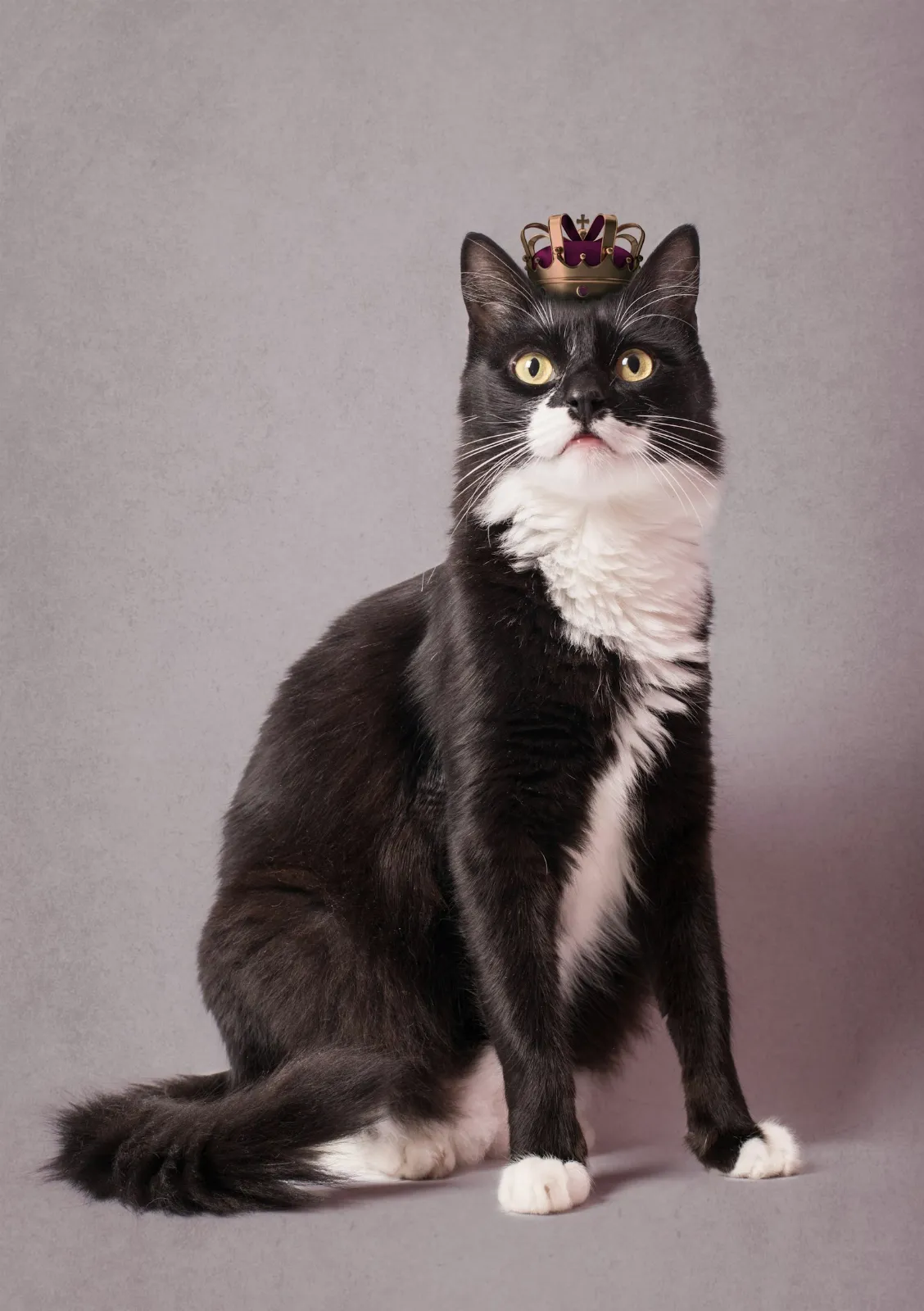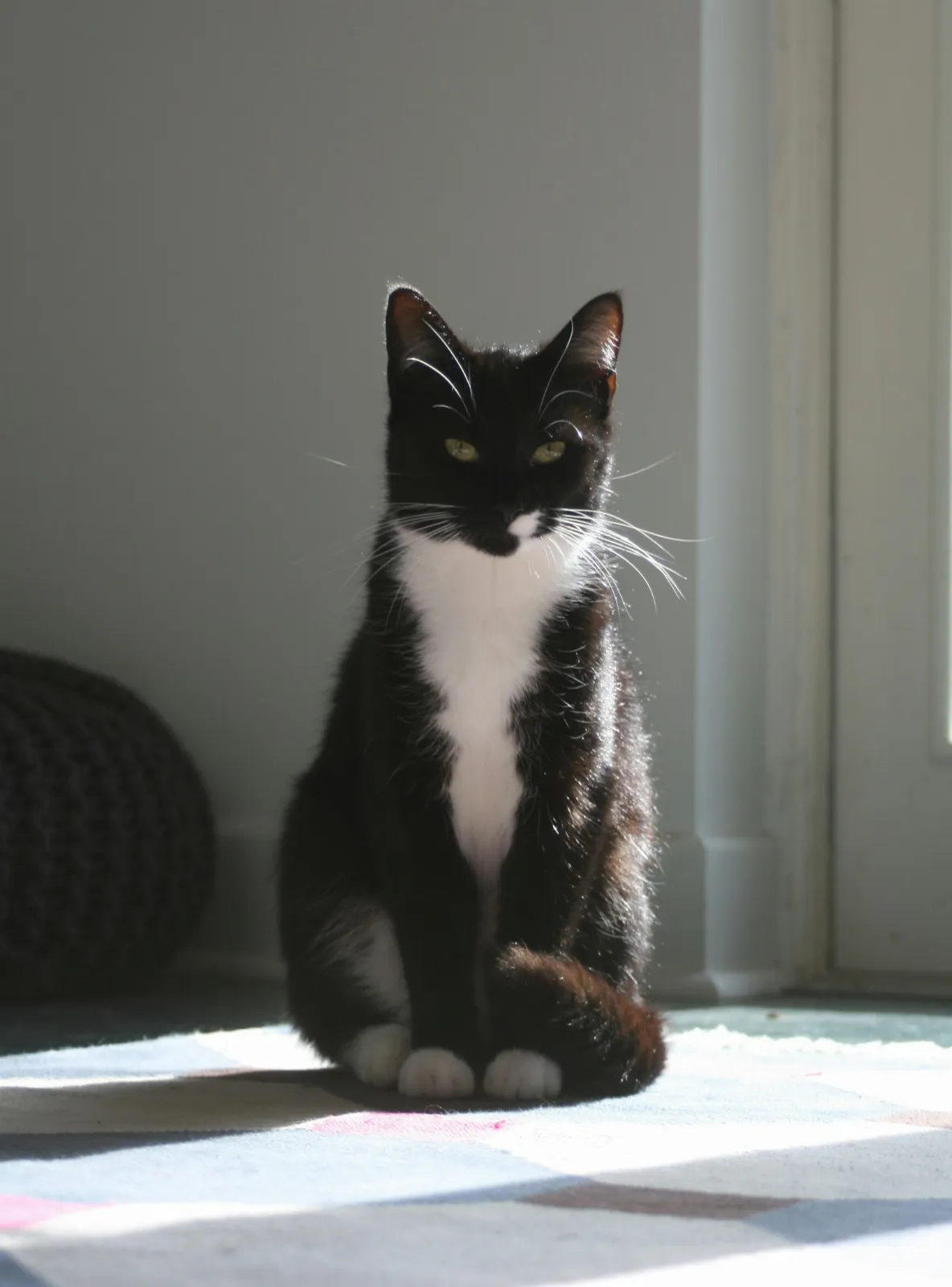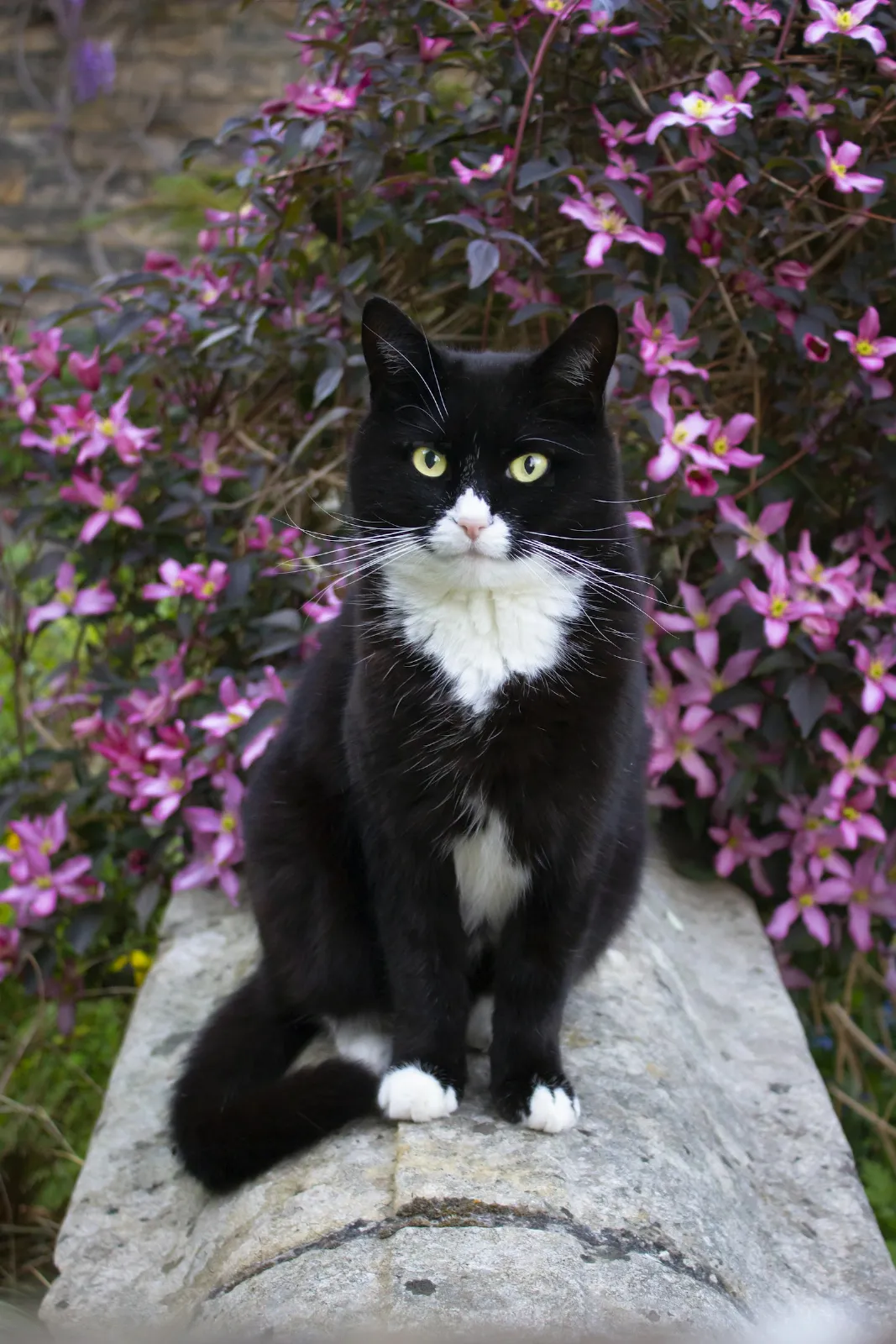
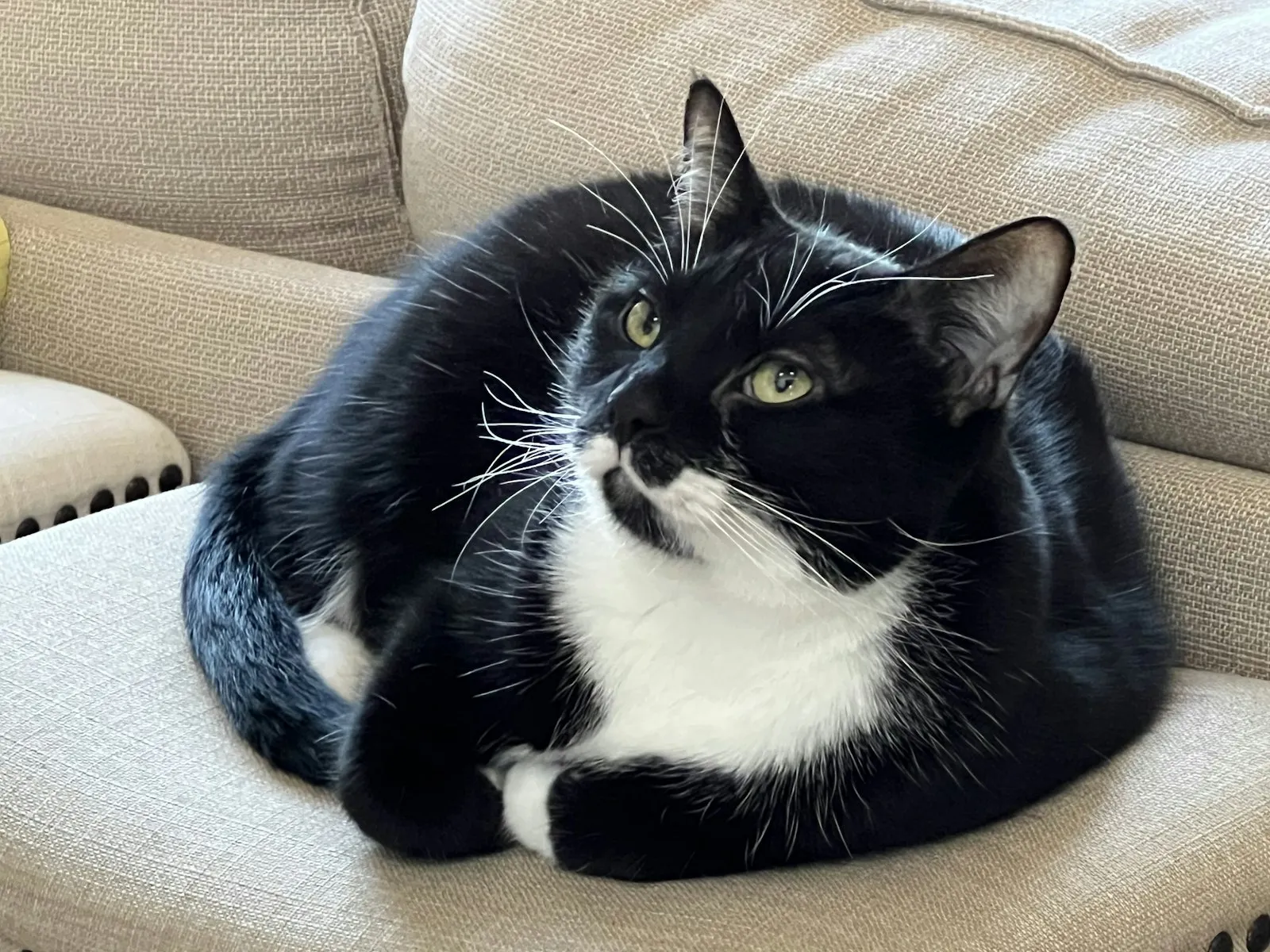
Ask a group of cat owners about tuxedo cats and you will hear plenty of stories. They are "little gentlemen," "tiny comedians," or "the boss of the house." It is easy to believe these black-and-white cats share a special, unique personality. But if you are living with one, a better question might be: what is my cat really like, and how can I help it thrive?
This practical guide looks at whether tuxedo cats truly have a shared personality, what really drives their behavior, and how to read and support the individual cat in your home.
Do Tuxedo Cats Really Have a Unique Personality?
Every cat has a unique personality, but there is no solid evidence that the tuxedo pattern creates one particular type. A few owner surveys have explored coat color and behavior. They mostly show what people expect from certain colors, and those expectations can color how we see our pets.
That does not mean owners are imagining things. Many tuxedo cats really are bold, chatty, and playful. It just means those traits come from the individual cat rather than from its black-and-white fur.
Think of the tuxedo coat as the outfit, not the character. The character is something you discover over time.
Why the Tuxedo Reputation Sticks
Part of the answer is simple memory. Tuxedo cats are easy to recognize, so their funny moments stand out and get retold. Famous cartoon and real-life tuxedo cats add to the image. Once people expect tuxedo cats to be bold characters, they tend to notice the bold moments and forget the quiet ones. That is a normal human habit, not proof of a shared temperament.
What Actually Shapes Your Cat's Personality
Several factors work together to shape how a cat behaves:
- Genetics: A cat's parents, including the father it may never meet, can pass on tendencies such as boldness or shyness.
- Early socialization: Gentle handling and new experiences in the first two months make a big difference.
- Past experiences: Rehoming, shelter stays, or rough handling can make a cat more cautious.
- Health: Pain, dental disease, or illness often shows up first as grumpiness or hiding.
- Environment: Space to climb, hide, scratch, and play helps cats feel secure and confident.
[Internal Link Suggestion: tuxedo cat personality traits → tuxedo cat personality, care tips, and what to expect]
How to Read Your Tuxedo Cat's Personality
The best way to understand your cat is to watch it closely for a few weeks. Take notes if it helps.
- Greeting style: Does your cat run to the door, watch from a distance, or ignore visitors?
- Play preferences: Does it love chasing, pouncing, batting small toys, or solving puzzle feeders?
- Handling comfort: Does it enjoy being held, prefer sitting beside you, or dislike being touched?
- Vocal habits: Is it quiet, or does it "chat" through the day?
- Response to change: How does it react to new furniture, noises, or guests?
After a few weeks, clear patterns usually appear. That is your cat's true, unique personality starting to show.
Common Personality Styles in Tuxedo Cats
Most tuxedo cats, like other cats, fit loosely into one or two of these styles. They are not strict categories, just a helpful way to plan care.
The Social Butterfly
Greets everyone, follows you around, and loves company. These cats may get lonely if left alone for long periods.
- Schedule daily interactive play.
- Consider puzzle feeders for busy days.
The Explorer
Curious, bold, and into everything. Explorers open cupboards, climb shelves, and inspect every shopping bag.
- Add cat trees and wall shelves.
- Rotate toys and hide treats to search for.
The Quiet Observer
Calm, watchful, and cautious with strangers. These cats warm up slowly but often form very deep bonds.
- Provide covered beds and high perches.
- Let them approach new people in their own time.
The Independent Spirit
Affectionate on their own terms. They enjoy your company but prefer to sit near you rather than on you.
- Respect their space and avoid forced cuddles.
- Offer short, gentle strokes and let them ask for more.
Matching your care to your cat's style reduces stress for both of you and helps prevent behavior problems.
How Personality Changes With Age
Personality is not frozen. Tuxedo cats often change as they move through life stages, and knowing what to expect helps you adjust your care.
- Kittens (up to about 1 year): Busy, curious, and still learning. Their adult personality is not fully formed yet.
- Adults (about 1 to 10 years): Temperament settles. This is when you really see who your cat is.
- Seniors (about 11 years and older): Many become calmer and more affectionate, but some grow less tolerant of noise or handling, often because of stiff joints or other health changes.
If an older cat suddenly becomes grumpy, do not assume it is "just age." A vet check can reveal treatable pain.
Living With More Than One Cat
Two tuxedo cats can have completely different characters, even if they look almost identical. One may be the confident leader while the other prefers to watch from a shelf. Give each cat its own food bowl, water, bed, and litter tray, and play with them separately as well as together. This reduces competition and lets each personality shine.
Choosing a Tuxedo Cat That Fits Your Home
If you are adopting, spend time with a few tuxedo cats before deciding. Ask shelter staff how each one behaves with handling, visitors, children, and other animals. A quiet household often suits a calm observer, while a busy family home may be perfect for a social butterfly. Choosing based on personality instead of looks gives you the best chance of a happy match.
Training and Enrichment for Every Personality
Cats can learn more than many people think. Short, positive training sessions build confidence and strengthen your bond.
Simple Things You Can Teach
- Coming when called for a treat
- Touching a target stick with the nose
- Sitting calmly for grooming or a carrier
Tips for Successful Sessions
- Keep sessions to two or three minutes.
- Use tiny, tasty rewards.
- Stop while your cat is still interested.
Common Behavior Challenges and Fixes
- Scratching furniture: Place tall, sturdy scratching posts near favorite spots and reward their use.
- Night-time zoomies: Play a longer session in the evening, then feed a small meal before bed.
- Attention meowing: Reward quiet moments, and avoid responding every time your cat demands attention.
- Play biting: Use wand toys instead of hands so your cat learns what is okay to bite.
[Internal Link Suggestion: tuxedo cat myths → tuxedo cats common myths, real traits, and care basics]
When to See a Vet
A sudden personality change is often the first sign that something is wrong. Contact your vet if your cat:
- Starts hiding much more than usual
- Becomes aggressive when touched in a certain area
- Stops using the litter tray or strains to urinate
- Eats much less, or stops grooming itself
Your vet can check for pain or illness and, if needed, refer you to a qualified behavior professional.
Final Thoughts
So, do tuxedo cats have a unique personality? Each one does, just like every other cat. The black-and-white coat does not decide who your cat is, but watching, understanding, and supporting that individual character will make your life together happier. Keep learning with our cat care guides.
[Internal Link Suggestion: first-time tuxedo cat owner tips → tuxedo cat guide for beginners]