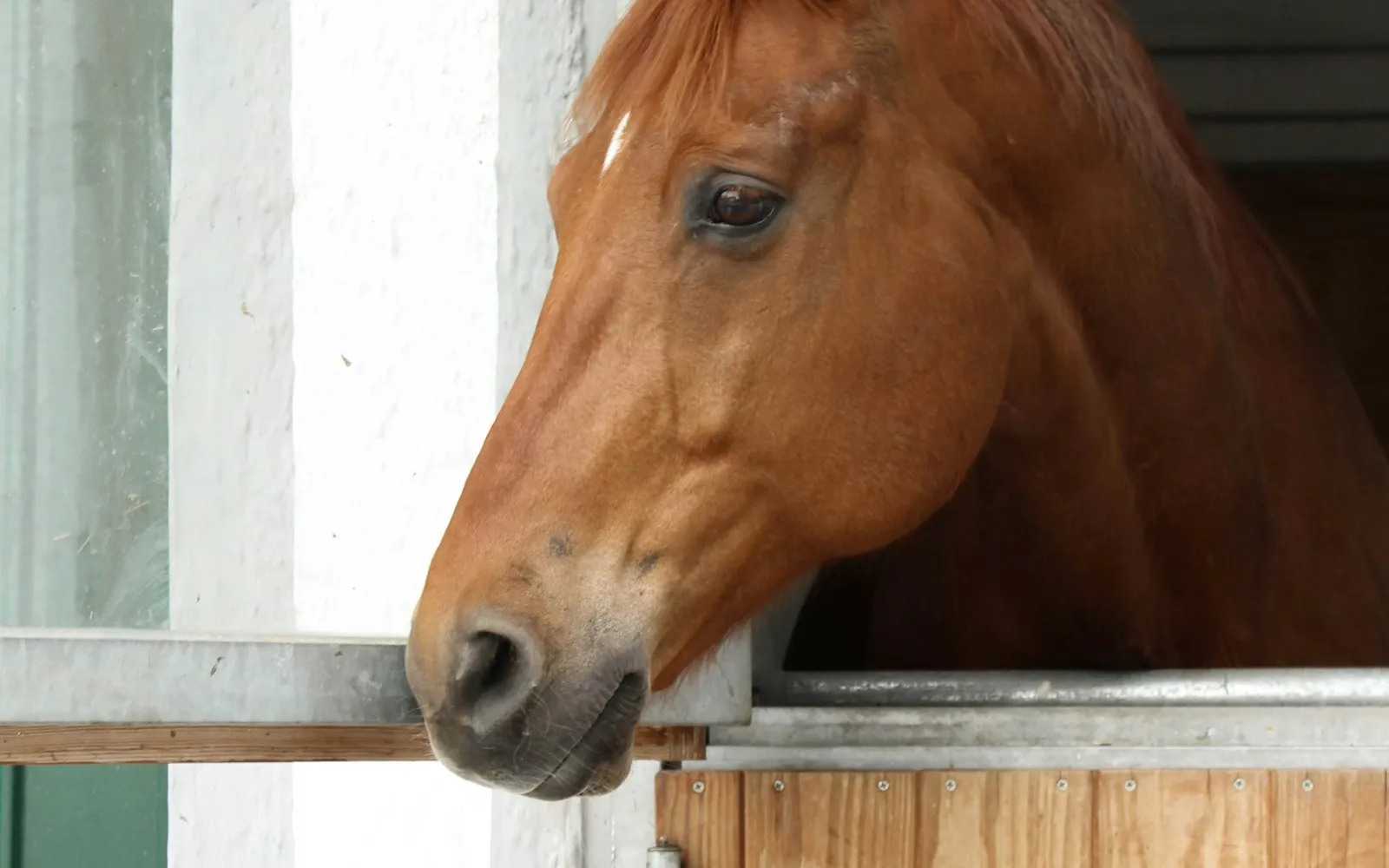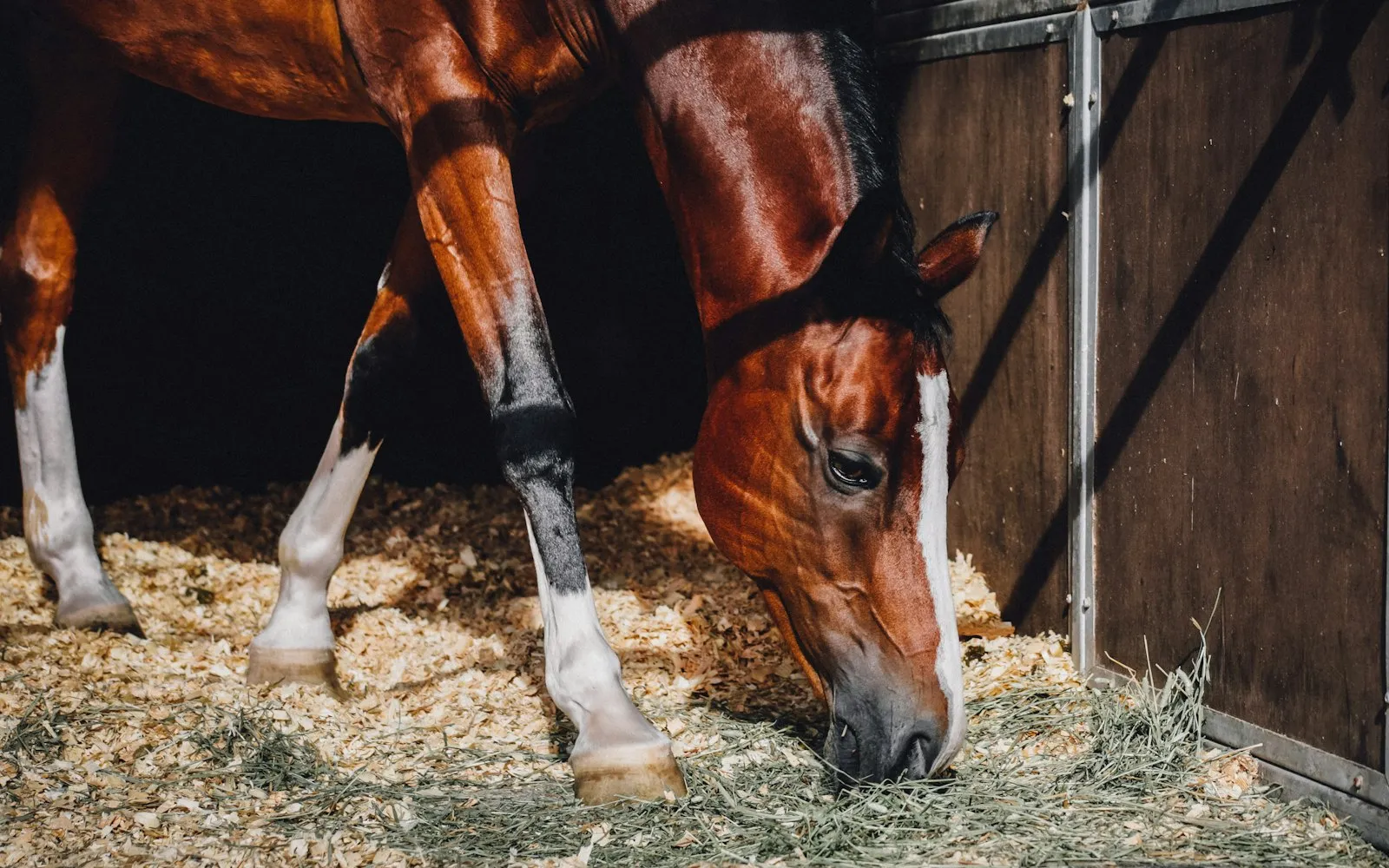
Owning a horse is a big, rewarding commitment. Horses are large, social animals with a sensitive digestive system, and they depend on you for almost everything. The good news is that most of their needs follow a few simple principles.
This guide walks through the horse care basics every new owner should understand. Think of it as a map of the main pillars: food, water, shelter, company, hooves, teeth, vaccines, parasites, grooming, your care team, and your budget.
The Pillars of Good Horse Care
Every healthy routine rests on the same foundation. If you get these horse care basics right, you prevent many common problems before they start.
Horses thrive on consistency. Regular meals, steady turnout, and routine health checks matter more than fancy equipment.
Forage and Fresh Water
Horses evolved to graze for much of the day. Hay or pasture should make up most of the diet, not grain. Many adult horses eat roughly 1.5–2.5% of their body weight in forage each day, so a 1,000-pound (454 kg) horse may need about 15–25 pounds (7–11 kg) daily.
Clean water must be available at all times. A typical adult horse drinks around 10–12 gallons (38–45 liters) a day, and often more in hot weather or during work.
[Internal Link Suggestion: how much hay to feed → horse feeding guide for beginners]
Shelter and Turnout
Horses need protection from wind, rain, and hot sun. A sturdy run-in shed or a well-ventilated barn both work. Safe fencing and daily turnout matter just as much, because movement supports digestion, hooves, and a calm mind.
Stalls should be dry and cleaned daily. Good airflow helps protect the lungs from dust and ammonia.
Companionship
Horses are herd animals. A horse kept completely alone is often stressed and may develop habits like pacing or calling. Ideally, your horse should be able to see, hear, and touch another horse. If that is not possible, a compatible companion such as a donkey can help.
Hoof Care and the Farrier
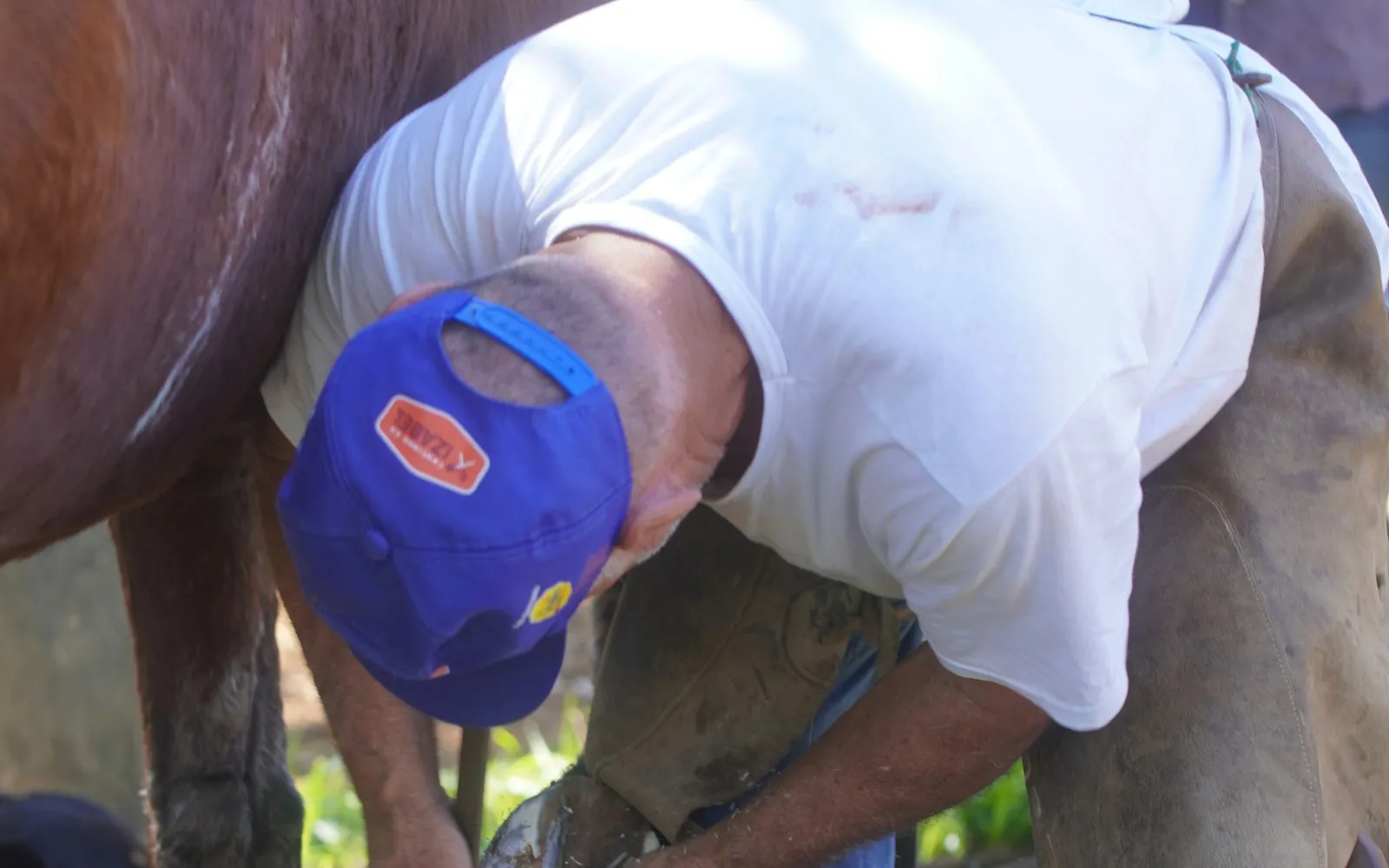
"No hoof, no horse" is an old saying for a reason, and hoof care sits near the top of any list of horse care basics. Hooves grow constantly, so most horses need a farrier visit about every 6–8 weeks for a trim or reset of shoes. Some horses need a shorter schedule.
Between visits, pick out the feet daily. Look for stones, bad smells, cracks, or heat in the hoof wall.
Signs Your Horse Needs the Farrier Sooner
- Long toes or chipped, flaring hoof walls
- Loose, shifted, or lost shoes
- Tripping more than usual
- A change in how your horse moves
Dental Checks
Horse teeth keep erupting throughout much of their life, and uneven wear can create sharp points. The University of Minnesota Extension advises scheduling a yearly dental exam, even when you see no problems.
Watch for dropping feed while chewing (called quidding), bad breath, head tossing, trouble with the bit, or weight loss. These are all reasons to book a check sooner.
Vaccinations and Parasite Control
Preventive medicine is one of the most important horse care basics. It protects your horse and the horses around it.
Core Vaccines
The American Association of Equine Practitioners (AAEP) lists four core vaccines for horses:
- Tetanus
- Eastern and Western equine encephalomyelitis (EEE/WEE)
- West Nile virus
- Rabies
Your vet may add risk-based vaccines, such as influenza or strangles, depending on where you live and whether your horse travels.
Smart Deworming
Old advice was to deworm every horse on a fixed calendar. Current AAEP guidance moves away from that, because parasites are becoming resistant to dewormers.
Instead, your vet uses fecal egg counts to see how many eggs each horse sheds. Low shedders are treated less often, and high shedders are targeted more. This is safer and more effective over time.
Simple Pasture Habits That Help
- Remove manure from small paddocks regularly
- Avoid overcrowding pastures
- Never give a dewormer without a plan from your vet
Grooming and Daily Handling
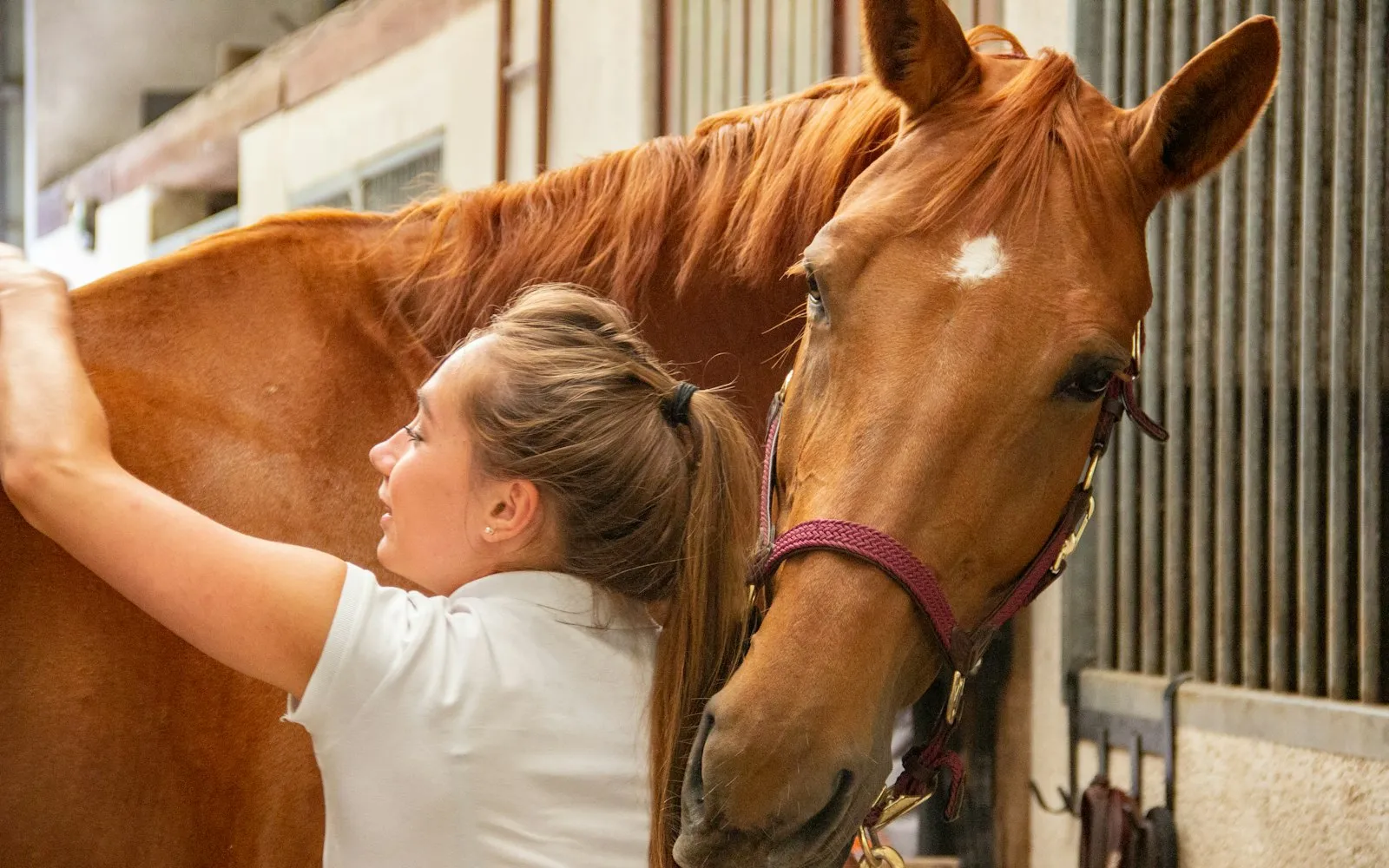
Grooming keeps the coat clean, but it is also your daily health check. As you brush, you can spot cuts, swelling, heat, ticks, or skin problems early.
A basic kit includes a curry comb, stiff and soft brushes, a mane comb, and a hoof pick. Good horse care basics also include calm, consistent handling so your horse learns to stand for the farrier and vet.
[Internal Link Suggestion: step-by-step grooming routine → how to care for a horse daily]
Building Your Care Team
No one cares for a horse alone. Before you need them, line up the people who will help:
- Equine veterinarian for vaccines, exams, and emergencies
- Farrier for trims and shoeing
- Equine dentist or vet with dental training
- Trainer or riding instructor for safe handling and riding
- Hay supplier you can rely on all year
Save every number in your phone and post a copy at the barn. A reliable team is one of the most overlooked horse care basics, especially in an emergency.
Common Beginner Mistakes to Avoid
New owners usually mean well, but a few habits cause trouble again and again. Knowing them early makes the horse care basics above much easier to follow.
- Feeding too much grain and too little hay, which can upset digestion
- Changing feed overnight instead of mixing in the new feed over a week or more
- Letting the water trough freeze or go dirty in winter and summer
- Skipping farrier visits because the feet "look fine"
- Deworming on guesswork rather than using fecal egg counts
- Buying a young or green horse before gaining experience
If you are unsure about anything, ask your vet or an experienced instructor. There are no silly questions when a 1,000-pound animal is involved.
A Simple Care Calendar
It helps to group tasks by how often they happen:
- Daily: feed, check water, pick feet, quick health check, turnout
- Every 6–8 weeks: farrier visit
- Once or twice a year: fecal egg count and vaccines, as your vet advises
- Yearly: dental exam and full wellness check
Understanding the Costs
The purchase price is often the smallest part of owning a horse. Ongoing costs add up quickly and vary a lot by region and lifestyle.
A report in The Horse estimated basic yearly expenses at about $8,600 for a backyard horse and about $11,800 for a recreational horse. Boarding, hay, farrier work, and routine vet care are the largest regular costs. Budgeting for these horse care basics before you buy prevents painful surprises later.
Rule of thumb: set money aside for emergencies. A single colic episode or injury can cost thousands of dollars.
[Internal Link Suggestion: budgeting and boarding choices → beginner's guide to horse ownership]
When to See a Vet
Learn your horse's normal behavior, appetite, and manure so you notice changes fast. Call your veterinarian right away if you see:
- Pawing, rolling, looking at the belly, or no manure (possible colic)
- Sudden lameness or a hot, painful hoof
- Deep wounds, heavy bleeding, or injuries near joints or eyes
- Fever, cough, nasal discharge, or refusing food
- A swollen, squinting, or cloudy eye
Also plan a yearly wellness visit for vaccines, a dental check, and a fecal egg count. Your vet can then tailor the plan to your horse.
Final Thoughts
Once you understand these horse care basics, day-to-day ownership feels far less overwhelming. Focus on forage, water, company, hooves, teeth, and preventive care, and lean on your team. For more guidance, explore our horse care guides.