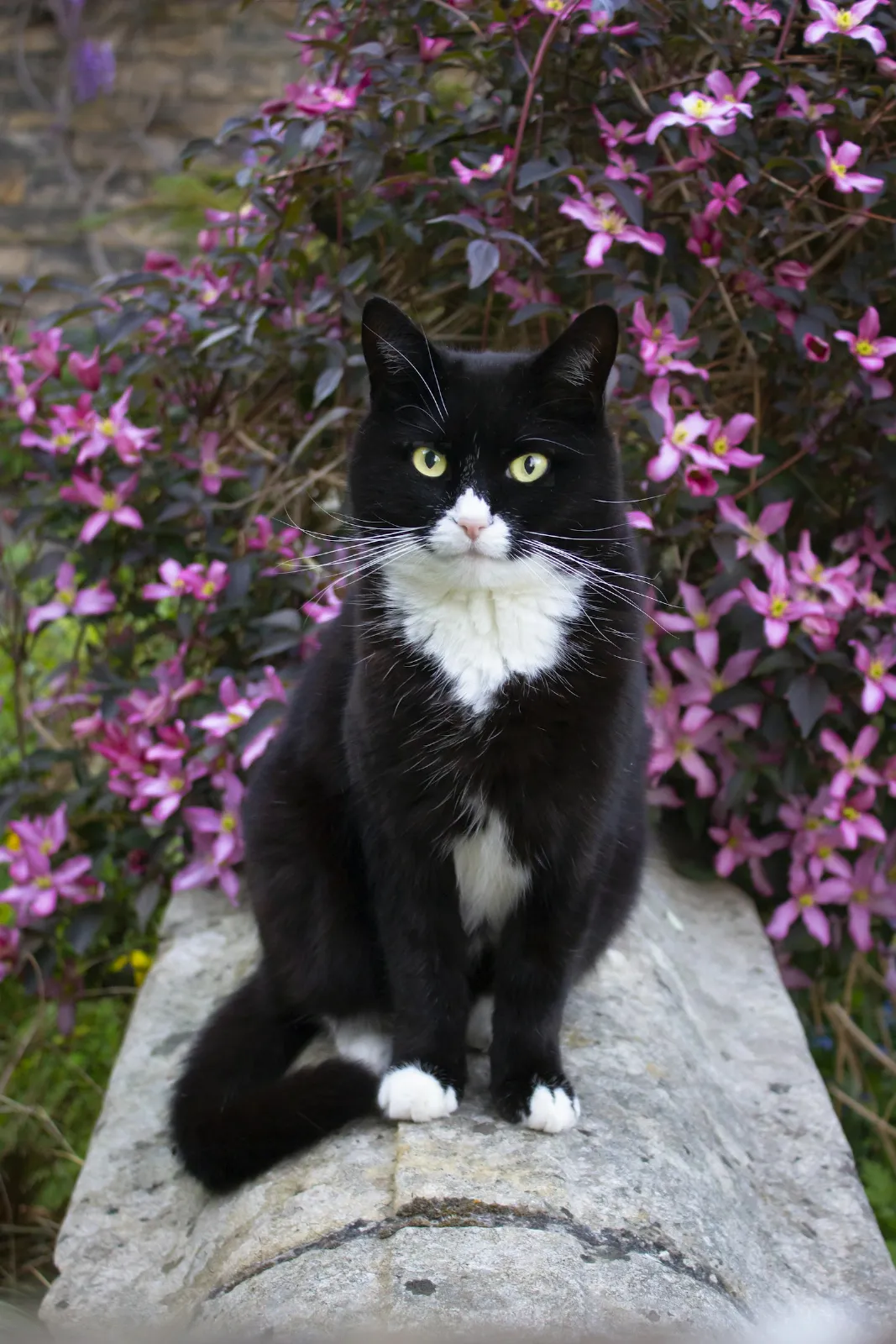
With their crisp white shirts and neat black jackets, tuxedo cats look like they are always dressed for a party. People love them, share their photos, and swap stories about how clever or bold they are. So it is natural to wonder: are these cats actually different, or do they just have great style?
The honest answer is a bit of both. Tuxedo cats are not a separate breed and do not have a proven "special" temperament. But their coat does come from interesting genetics, their markings are wonderfully varied, and they have a surprising place in history. Here is what really makes them stand out.
What Exactly Is a Tuxedo Cat?
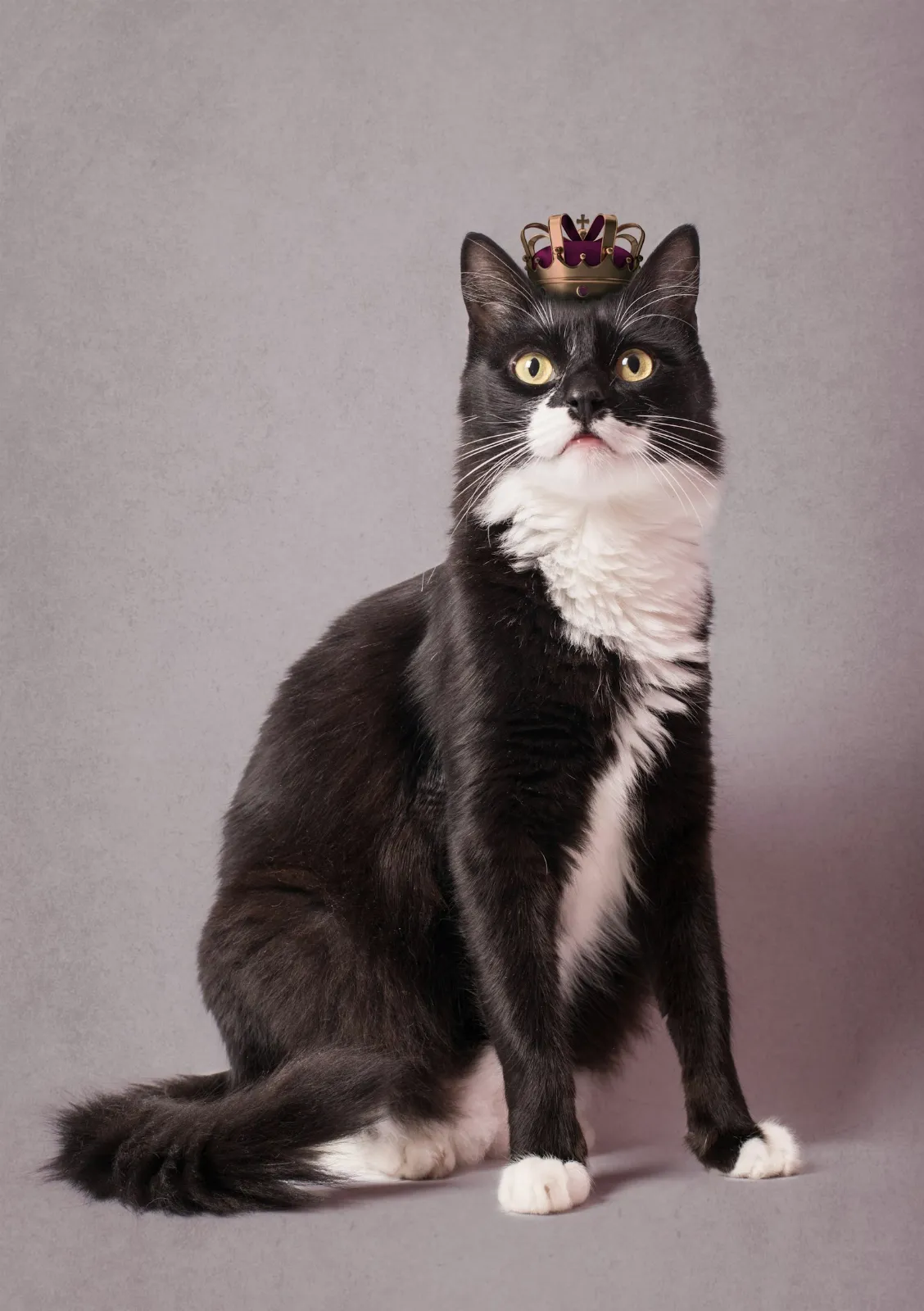
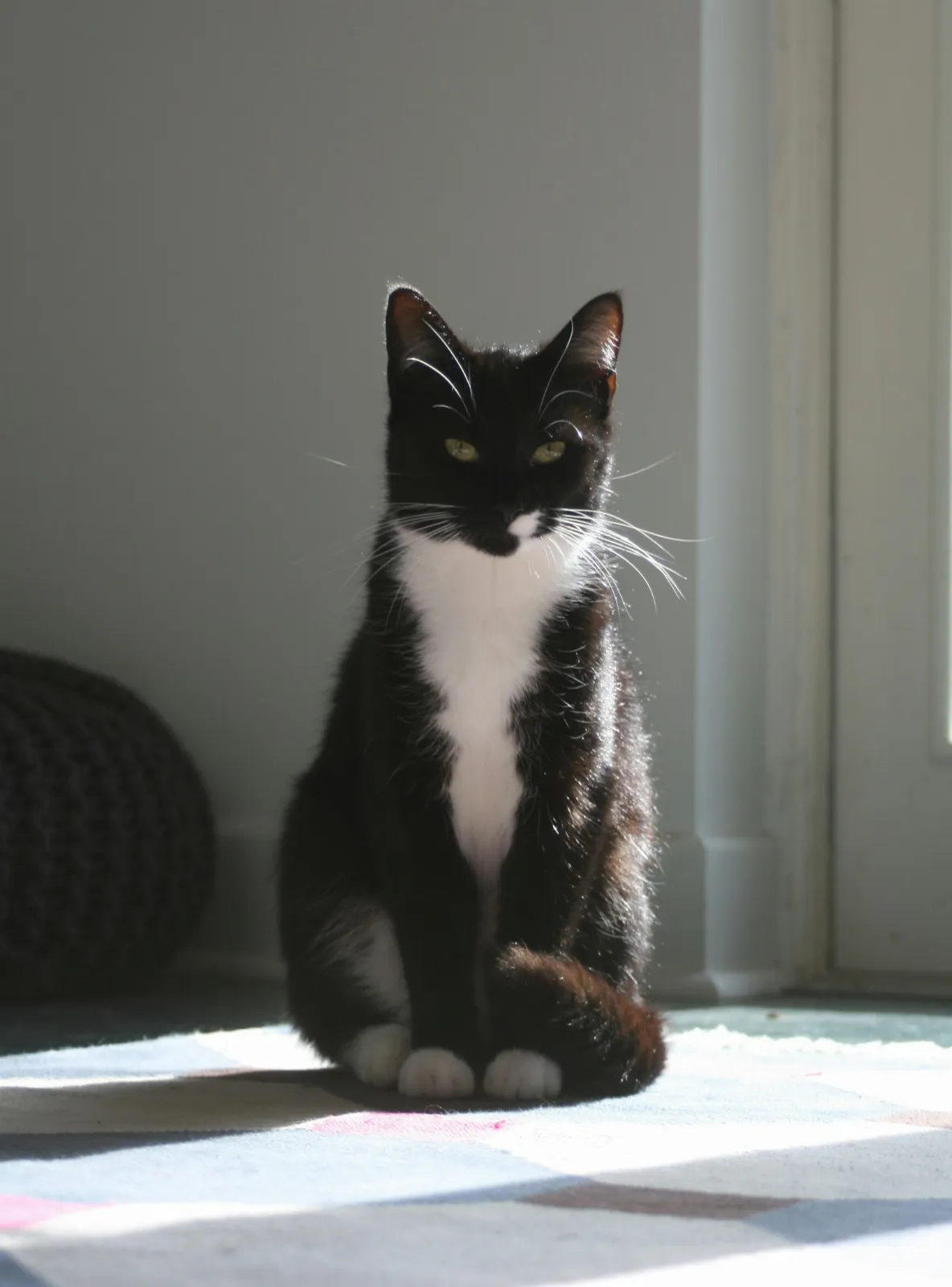
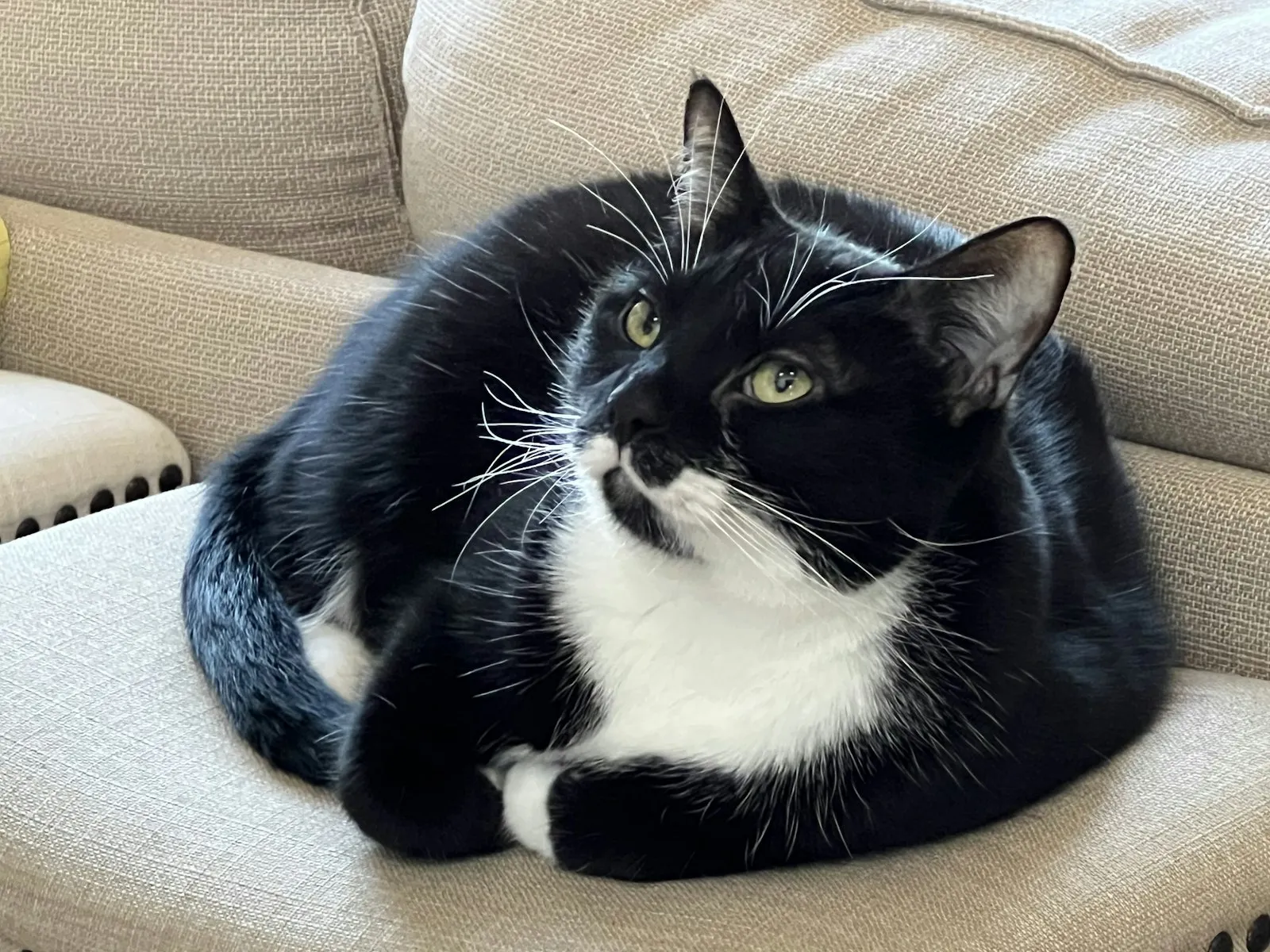
A tuxedo cat is a bicolor cat: one main coat color with white patches. In the classic tuxedo look, the main color is black, and the white appears on the chest, throat, paws, belly, and often the chin or face.
The white areas vary a lot. Some cats wear only a small white "bow tie," while others have white socks, a white mustache, or a white blaze down the nose. As long as the dark color dominates and the white sits in these typical spots, most people call it a tuxedo.
Tuxedo vs. Other Black-and-White Patterns
- Tuxedo: mostly black, with white on the chest, paws, and face.
- Harlequin: mostly white, with random black patches.
- Van: almost all white, with color only on the head and tail.
All of these come from the same family of white-spotting genetics. The amount of white is what changes the name.
The Genetics Behind the Tuxedo Look
The white areas on tuxedo cats come from the white spotting gene. During development, pigment cells called melanocytes travel across the growing kitten's body. The white spotting gene interferes with that journey, so some areas never receive pigment and grow white fur instead.
That explains why the white usually appears on the chest, belly, and feet: these are the areas pigment cells reach last. A cat with one copy of the gene often shows a medium amount of white, which is where many tuxedo patterns fall.
The tuxedo coat is a pigment pattern. It changes how a cat looks, not how its brain works.
Can Both Male and Female Cats Be Tuxedos?
Yes. Unlike calico and tortoiseshell cats, which are almost always female because of how orange color genes work, tuxedo cats can be male or female in roughly equal numbers. The black-and-white pattern is not linked to the X chromosome.
Which Breeds Can Be Tuxedo Cats?
Most tuxedo cats are mixed-breed domestic shorthairs or longhairs, the everyday cats you meet in shelters. But the pattern can also appear in several recognized breeds whose standards allow bicolor coats, including:
- British Shorthair
- Maine Coon
- Persian
- Norwegian Forest Cat
- Scottish Fold
- Turkish Angora
This is why these cats can differ so much in size, coat length, and energy. A fluffy tuxedo Maine Coon and a sleek tuxedo shorthair are very different cats under the same "suit."
[Internal Link Suggestion: tuxedo cat breeds and coat care → tuxedo cat guide for beginners]
Not Only Black: Other Tuxedo Colors
Black and white is the classic combination, but the same pattern can appear with other base colors. A grey coat, often called "blue," with white markings is sometimes nicknamed a blue tuxedo. You may also see tabby cats with a white bib and paws. Purists may debate the label, but the genetics behind the white markings are the same.
How to Choose the Right Black-and-White Cat for You
If you have fallen for the look, the next step is finding a cat whose needs match your life. Ask yourself a few practical questions before you adopt:
- Do you have time for a playful young cat, or would a calm adult suit you better?
- Are you happy to brush a long coat several times a week?
- Do you have other pets or young children the cat must live with?
Shelter and rescue staff usually know a lot about each cat's habits, such as whether it enjoys laps, tolerates handling, or gets along with dogs. Spend time with a few cats before you decide. Often the right match is the one that walks up to you first.
Are Tuxedo Cats Different in Personality?
Many owners say their black-and-white cats are extra friendly, talkative, or clever. Some owner surveys have looked at coat color and behavior, but they measure what people believe about their cats, and the results are mixed. There is no solid evidence that the tuxedo pattern itself creates a particular personality.
What does shape behavior?
- Early socialization with people and gentle handling
- Breed background and inherited temperament
- Health, pain, and stress levels
- Daily enrichment, routine, and the home environment
If you want a friendly cat, meet the individual cat and ask about its history. That tells you far more than the coat color.
[Internal Link Suggestion: tuxedo cat personality traits → do tuxedo cats have a unique personality]
Famous Tuxedo Cats in History and Culture
Tuxedo cats have lived in some very famous homes. Their eye-catching look makes them memorable, which may be part of why so many owners are sure they are special.
- Socks: the Clinton family's cat, who lived at the White House in the 1990s and became one of the best-known pets of his time.
- Palmerston: the "Chief Mouser" of the UK Foreign Office from 2016 to 2020.
- Sylvester: the cartoon cat from Looney Tunes, forever chasing Tweety.
Even the name has a story. The term "tuxedo cat" appears to be fairly recent, with language researchers tracing it back only to around the early 1980s in the United States.
Do Tuxedo Cats Need Different Care?
No special care is required because of the pattern. They need the same basics as any cat: good nutrition, fresh water, regular play, a clean litter tray, and routine vet visits.
One Small Difference: White Skin Areas
White fur often sits on pale, lightly pigmented skin. On the nose and ear tips, this skin can sunburn in strong sunlight. Repeated sun damage in these areas can lead to skin problems over time.
Simple Sun-Safety Steps
- Keep outdoor time limited during the brightest hours.
- Offer shaded resting spots near sunny windows.
- Check white ears and noses for redness, crusts, or sores.
Note that deafness is mainly linked to all-white cats with blue eyes, not to typical tuxedo markings. If you ever suspect your cat cannot hear well, for example if it does not react to your voice or startles easily when touched, ask your vet to check.
Common Misunderstandings About Tuxedo Cats
- "They are a breed." They are a coat pattern found in many breeds and mixes.
- "They are all the same." Size, coat length, and temperament vary widely.
- "They are always male." Both sexes can be tuxedos.
- "They are smarter." Intelligence varies by individual, not coat color.
[Internal Link Suggestion: tuxedo cat myths → tuxedo cats common myths and real traits]
Final Thoughts: What Really Makes Tuxedo Cats Special
Tuxedo cats are special in the same way every cat is special: through their individual personalities, habits, and the bond they build with their people. Their coat is a fun genetic story, not a behavior blueprint. If you are drawn to that sharp black-and-white look, focus on finding a cat whose temperament fits your home, then give it good care and plenty of attention. For more practical advice, visit our cat care guides.
Sources
- Bicolor cat (Wikipedia): white spotting genetics, the tuxedo definition, and notable tuxedo cats.