Walking into a fish store for the first time can feel overwhelming. Hundreds of bright, darting fish, all labeled "easy," and no clear way to tell which ones will actually thrive in your home.
This guide narrows it down. We look at the best fish for beginners: hardy, peaceful species that tolerate small mistakes, eat regular flake or pellet food, and stay a manageable size. For each one you will find the group size, adult size, and minimum tank size to plan around.
What Makes a Fish Beginner-Friendly?
"Easy" does not mean a fish needs no care. It means the species is forgiving while you learn. The best fish for beginners usually share these traits:
- Hardiness: copes with the small swings in water quality that new owners often cause.
- Peaceful nature: does not chase, bite, or nip the fins of tankmates.
- Modest adult size: stays small enough for a typical home aquarium.
- Simple diet: readily eats quality flakes, pellets, or sinking wafers.
Rule of thumb: always plan for the adult size of a fish, not the size it is in the store.
7 of the Best Fish for Beginners
All of these fish are widely available and well suited to a first tank. Sizes are typical adult body lengths.
1. Zebra Danio
Zebra danios are fast, striped, and almost always on the move. They reach about 2 inches (5 cm) and should live in a group of at least 6, ideally 8 to 10.
Because they swim so much, give them a longer tank of 20 gallons (76 liters) or more. They are peaceful and prefer slightly cooler tropical water, around 64–77°F (18–25°C).
2. Platy
Platies come in bright orange, red, yellow, and speckled patterns. They grow to about 2 inches (5 cm) and are calm, friendly community fish.
Keep a small group in 15 gallons (57 liters) or more, with more females than males so no single female is chased constantly. Platies are livebearers, so expect babies unless you keep only one sex.
3. White Cloud Mountain Minnow
This little fish reaches about 1.5 inches (4 cm) and does best in a group of 6 or more, ideally 10. It prefers cool water of roughly 57–72°F (14–22°C), so it often needs no heater in a room that stays mild.
That cool preference also means it should not share a tank with warm-water fish like bettas. A 15-gallon (57-liter) tank suits a small school.
4. Corydoras Catfish
Corydoras are cheerful bottom dwellers that snuffle through the substrate for leftovers. Bronze and panda corydoras are good starter choices, growing to about 2–3 inches (5–7.5 cm).
They are social, so keep at least 6 of the same species in a 20-gallon (76-liter) tank. Soft sand or smooth, rounded gravel protects their sensitive whisker-like barbels. They still need their own sinking food, not just scraps.
5. Harlequin Rasbora
Harlequins have a copper body and a neat black triangle near the tail. They reach about 1.75 inches (4.5 cm), are very peaceful, and look best in a group of 8 to 10.
A 15-gallon (57-liter) tank with some plants works well. Many experienced keepers name them among the best fish for beginners who want a calm, shoaling display.
6. Bristlenose Pleco
If you want an algae grazer, the bristlenose pleco is a far better pick than the common pleco sold in many stores, which can grow much larger. Bristlenose plecos reach about 4–5 inches (10–13 cm).
Keep one per tank of 20 gallons (76 liters) or more, since males can be territorial with their own kind. Offer sinking algae wafers and blanched vegetables such as zucchini, and provide a cave or two for hiding.
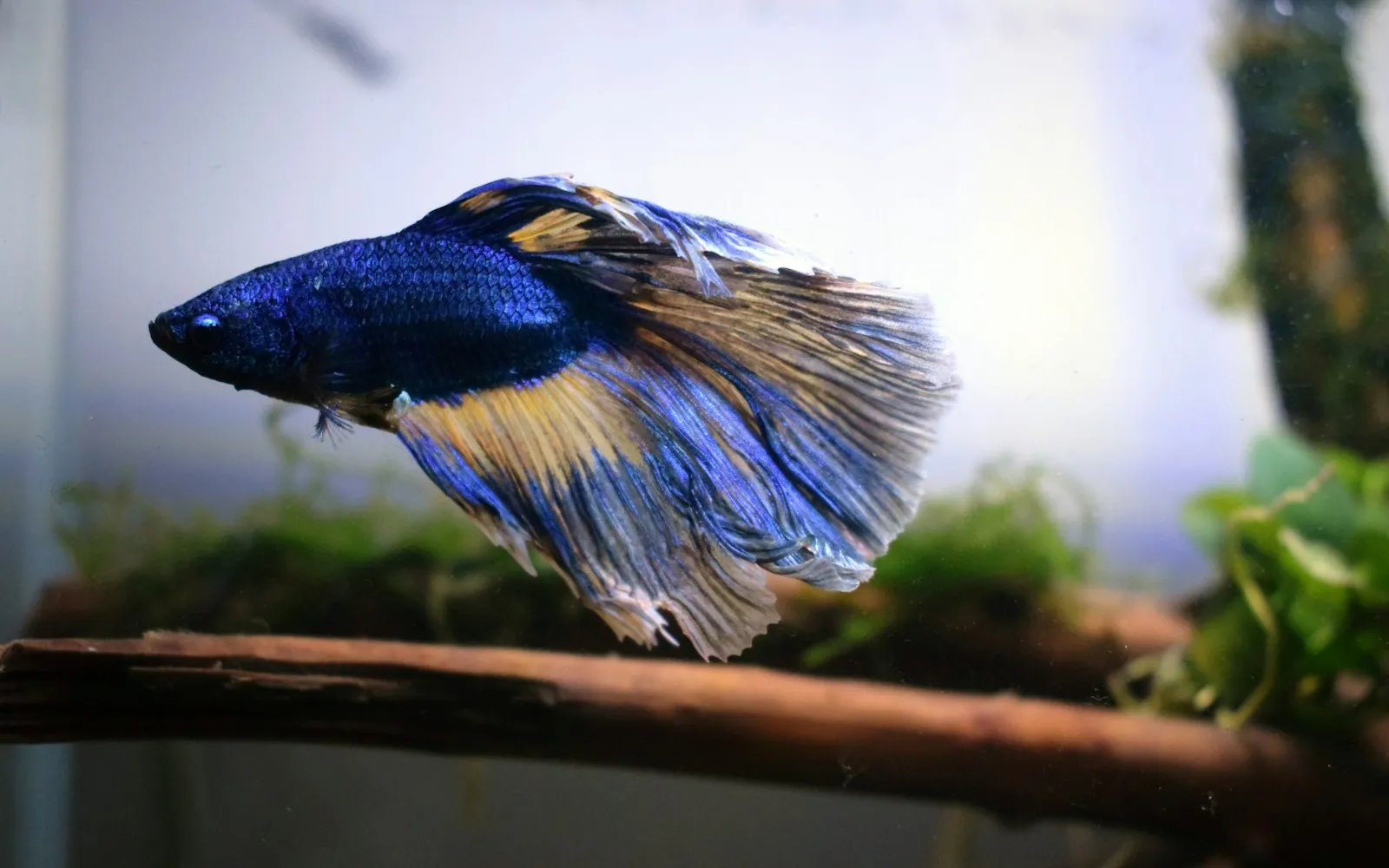
7. Betta (Kept Alone)
Bettas are colorful and full of personality, but male bettas must never share a tank with another male, and they may nip or be nipped by busy community fish. Plan on keeping one betta on its own.
A betta reaches about 2.5–3 inches (6–7.5 cm) in body length and typically lives 3–5 years with good care. Give it at least 5 gallons (19 liters), a gentle filter, and a heater set around 76–81°F (24–27°C).
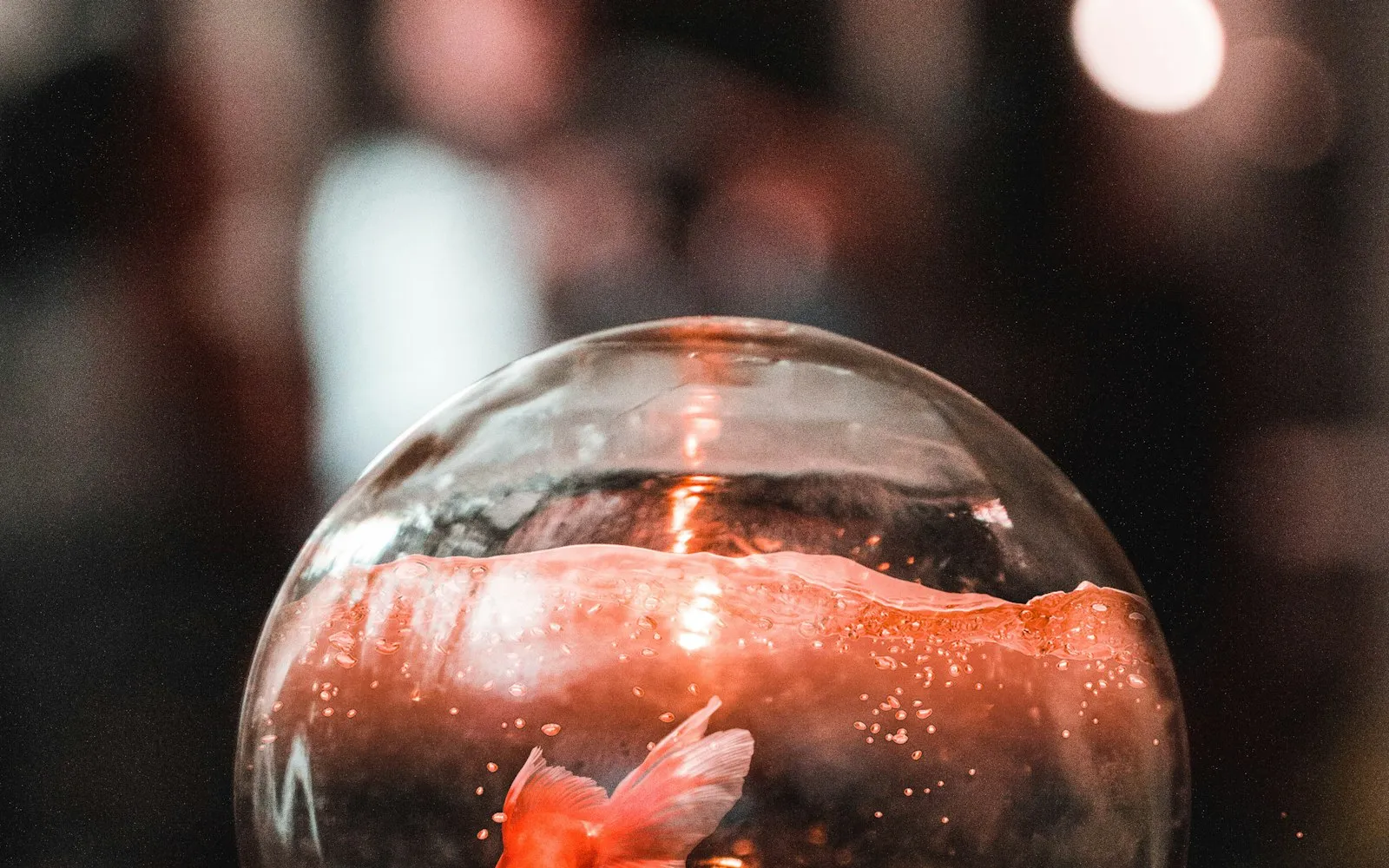
A tiny cup or unheated vase is not a betta home. Warm, filtered water is what keeps these fish healthy and active.
[Internal Link Suggestion: nano-sized fish and betta setups → best aquarium fish for small tanks]
Why Goldfish Are Not "Bowl Fish"
Goldfish are often sold as the easiest pet fish, but they are among the most misunderstood. A common goldfish can grow to more than 12 inches (30 cm), and the RSPCA notes an average lifespan of about 10 to 15 years.
Goldfish also produce a lot of waste. In a bowl, that waste builds up quickly, oxygen runs low, and the temperature swings. The RSPCA advises avoiding traditional fish bowls and keeping at least two goldfish together in a large, well-filtered tank.
Goldfish can be great pets, but they are a big-tank commitment, not an easy starter fish.
Species to Avoid as a First Fish
Some popular fish are sold as easy but are not among the best fish for beginners. Leave these until you have more experience:
- Common plecos, oscars, and iridescent sharks: sold small but outgrow most home tanks.
- Tiger barbs: known fin-nippers that can harass slow, long-finned fish.
- Tiny wild-caught or delicate species: need stable, mature water that a new tank cannot offer yet.
- Saltwater fish: require more equipment and testing than a freshwater tank.
[Internal Link Suggestion: avoid beginner stocking errors → common fish tank mistakes new owners should avoid]
Building Your First Community Tank
Once your aquarium has finished cycling, you can start adding fish. Choose species that share similar water temperature needs and temperaments.
Example 20-Gallon (76-Liter) Community
Here is one simple, peaceful plan for a tropical tank kept around 74–77°F (23–25°C):
- 8 harlequin rasboras for the middle of the tank
- 6 panda or bronze corydoras for the bottom
- 3 platies, one male and two females, for color near the top
This mix shows why picking the best fish for beginners is about teamwork, not just single species. Each group uses a different level of the tank.
Add Fish in Small Batches
Introduce one group at a time, a few weeks apart. This gives the helpful bacteria in your filter time to catch up with the extra waste.
[Internal Link Suggestion: preparing the aquarium first → how to set up a fish tank for beginners]
When to See a Vet
Even the best fish for beginners can get sick. Contact an aquatic or exotic-animal veterinarian if you notice:
- White spots, fuzzy patches, or red streaks on the body or fins
- Gasping at the surface or rapid gill movement
- Clamped fins, hiding, or refusing food for more than a day or two
- Swollen belly, raised scales, or bulging eyes
Test your water first, since poor water quality causes many of these signs, and share the results with your vet.
Final Thoughts
The best fish for beginners are hardy, peaceful, and suited to the tank you can realistically provide. Start with one or two of the species above, respect their group sizes, and stock slowly. Explore more of our fish care guides as your aquarium grows.