A compact aquarium fits neatly on a desk, a dresser, or a kitchen counter. The catch is that not every fish sold in stores belongs in one.
This guide covers the best fish for small tanks, with clear group sizes and minimum tank sizes for each. You will also find ideas for shrimp and snails, sample stocking plans, and a list of fish that should never go into a small aquarium.
What Counts as a Small Tank?
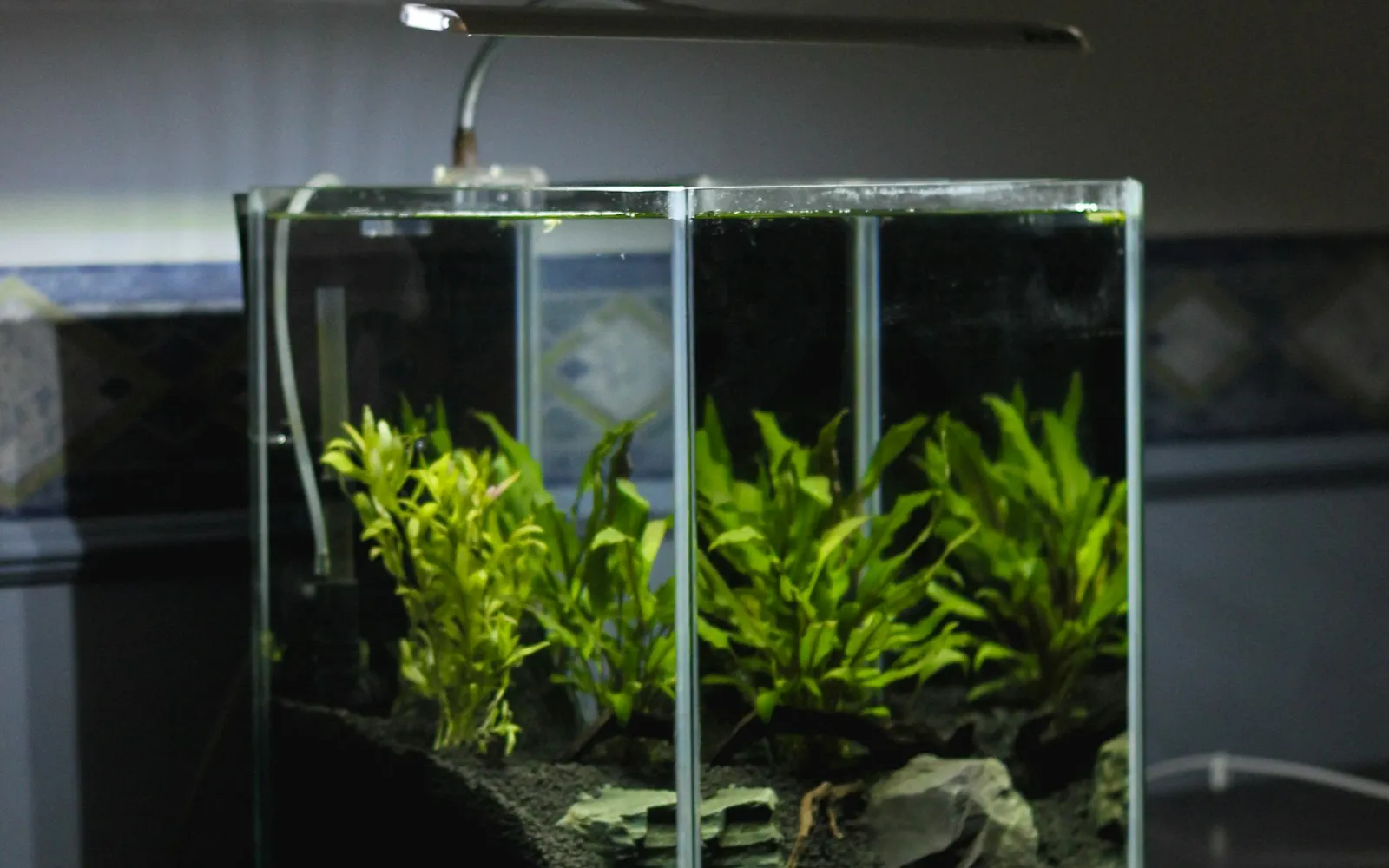
In this guide, a small tank means roughly 5 to 20 gallons (19 to 76 liters). Anything under 5 gallons is really only suitable for shrimp, snails, or plants.
Tank shape matters too. A long, low tank gives swimming fish more room than a tall, narrow one of the same volume.
Why Small Tanks Are Harder Than They Look
Many people buy a small tank thinking it will be easier. In reality, small volumes leave less room for error:
- Waste builds up faster because there is less water to dilute it.
- Temperature can swing quickly when the room heats up or cools down.
- One overfeeding session or a dead snail can spike ammonia overnight.
Rule of thumb: the smaller the tank, the more careful your feeding, testing, and water changes need to be.
[Internal Link Suggestion: preparing and cycling a nano tank → how to set up a fish tank for beginners]
How to Choose Fish for Small Tanks
Before you shop, check each species against a few simple questions:
- Adult size: will it stay under about 2 inches (5 cm)?
- Activity level: does it hover and explore, or race from end to end?
- Group needs: can your tank hold a full school, not just two or three?
- Temperament: is it peaceful with other tiny fish and shrimp?
Good fish for small tanks pass all four tests. If a species fails even one, look for a better match.
Top Picks: Fish for Small Tanks
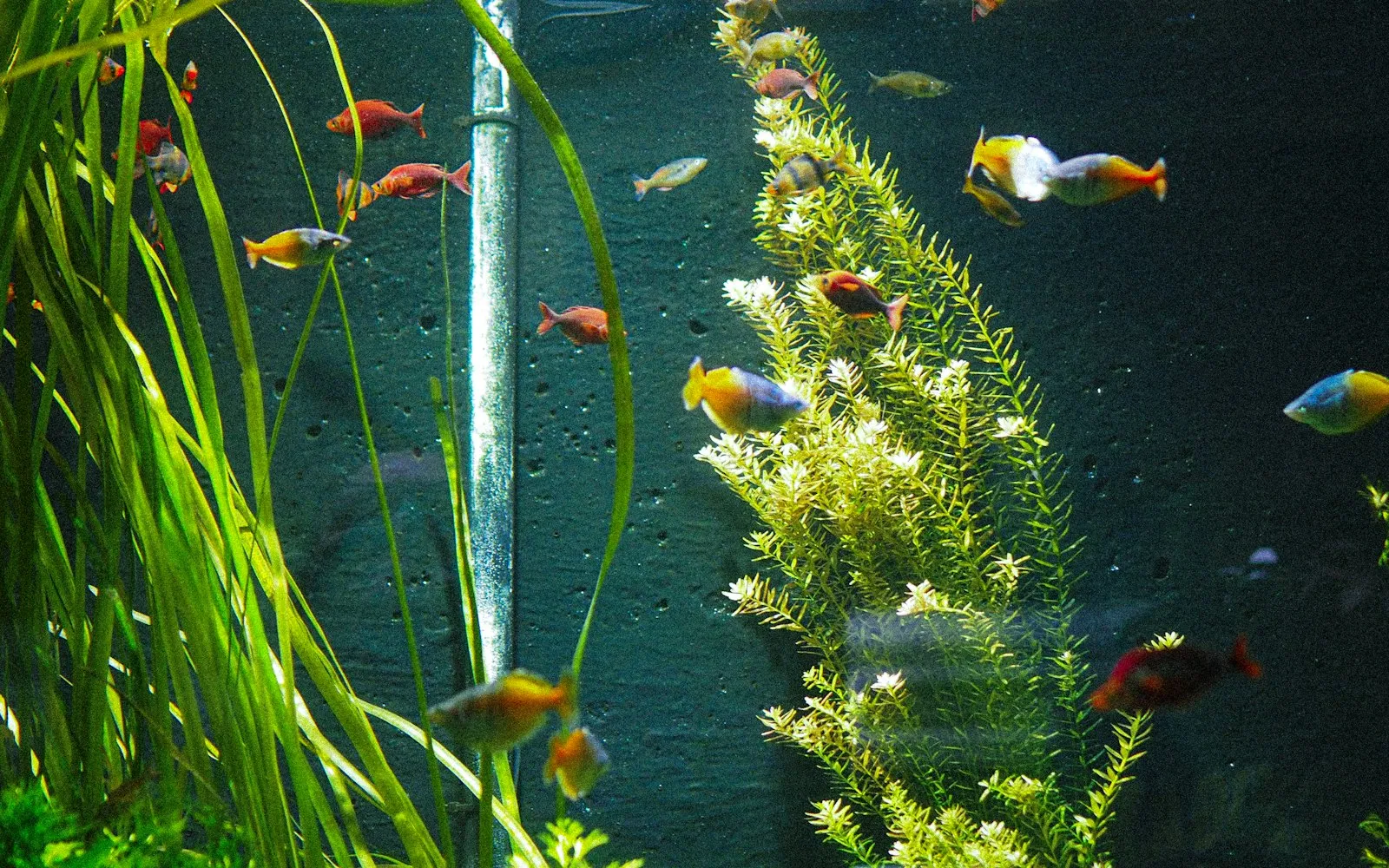
These species stay tiny and peaceful. Most are schooling fish, so the group size matters as much as the tank size. Many of these nano fish do best in a planted, fully cycled tank.
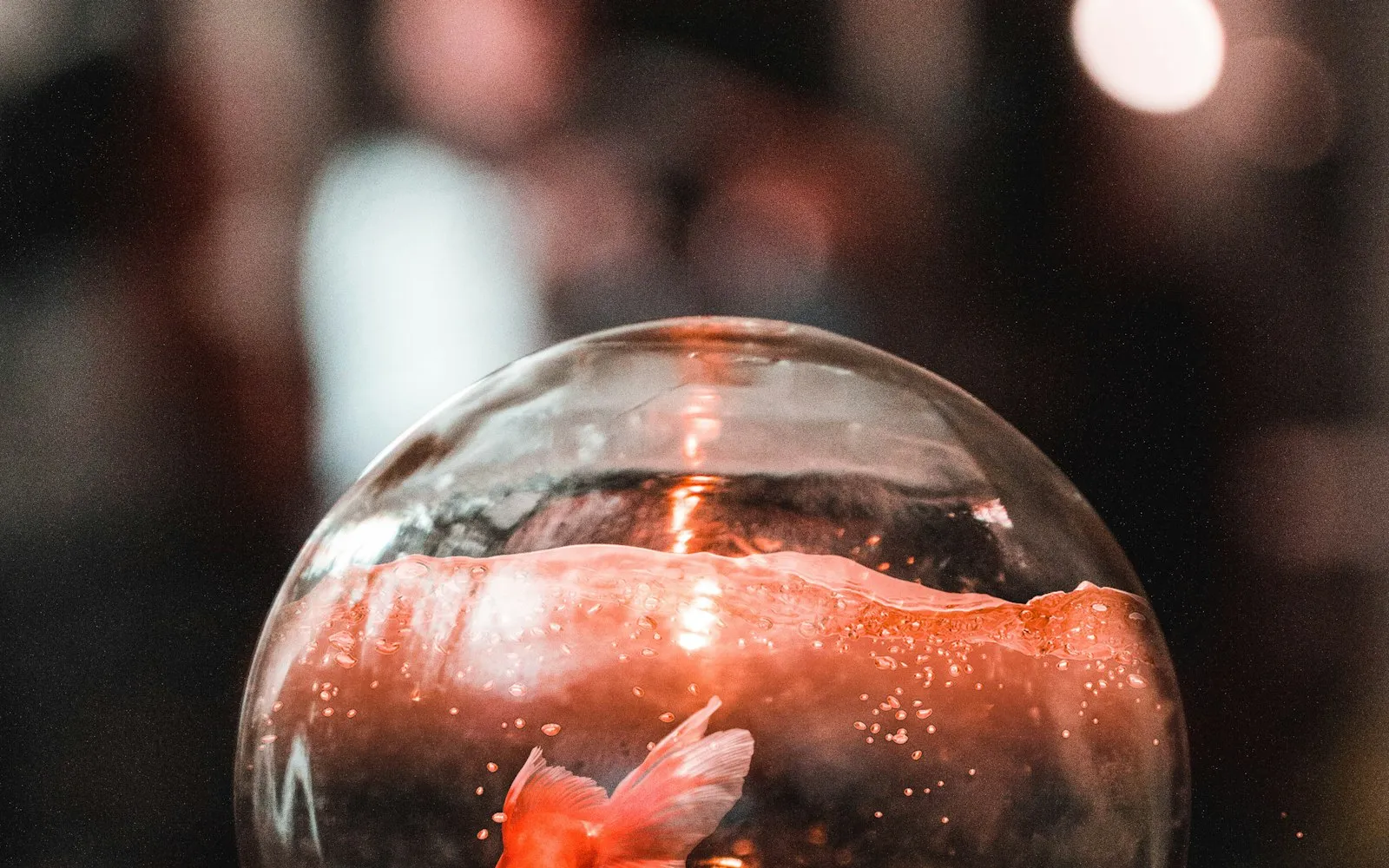
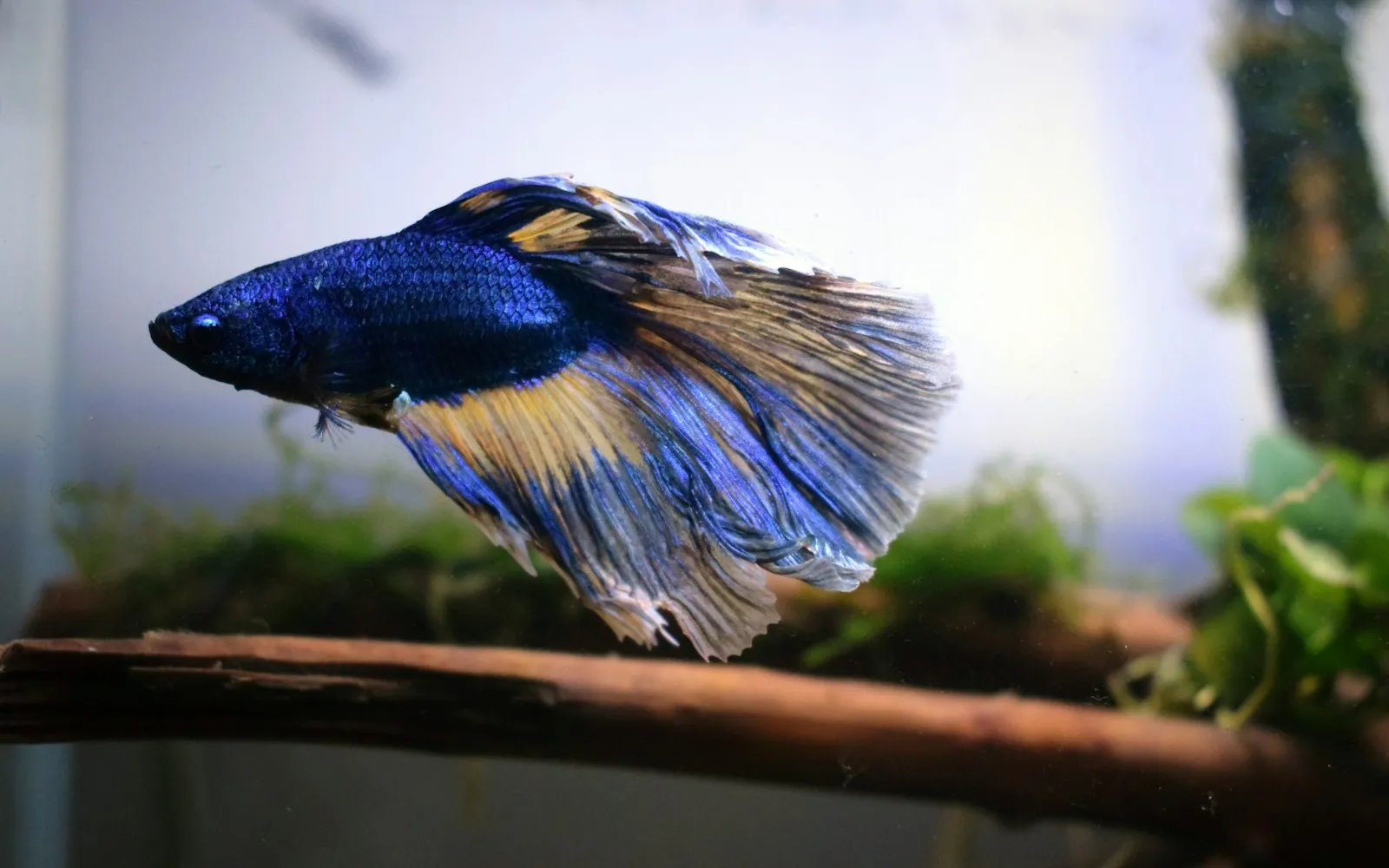
Betta (Alone in 5+ Gallons)
A single betta is the classic choice for a 5-gallon (19-liter) tank. PetMD's vet-written care sheet calls 5 to 10 gallons ideal, with a heater keeping water around 76–81°F (24–27°C).
Keep one betta per tank, and skip small, fast fish that might nip its long fins.
Chili Rasbora
These bright red fish reach only about 0.8 inch (2 cm). Keep a group of at least 8 to 10 in a planted tank of about 10 gallons (38 liters) or more.
They are shy in small numbers and need a stable, mature tank, so add them after your aquarium has settled. They are also safe with dwarf shrimp.
Ember Tetra
Ember tetras glow orange and grow to about 0.8 inch (2 cm). A group of 8 to 10 in a 10-gallon (38-liter) tank is a good start. They are very peaceful and swim in the middle of the tank.
Celestial Pearl Danio
Also called galaxy rasboras, these spotted fish reach about 0.8 inch (2 cm). Males spar with each other, so a larger group of 8 or more spreads out the squabbling.
They prefer slightly cooler tropical water, around 68–79°F (20–26°C), and a heavily planted 10-gallon (38-liter) tank with plenty of cover.
Pygmy Corydoras
These tiny catfish reach about 1.2 inches (3 cm). Unlike most corydoras, they often hover in open water as well as foraging on the bottom.
Keep at least 6, preferably 10, over soft sand in a tank of 10 gallons (38 liters) or more.
Endler's Livebearer
Endlers are small, colorful cousins of the guppy that reach about 1 inch (2.5 cm). They like warm water and suit a 10-gallon (38-liter) tank.
They breed very quickly, so keep several females per male, or choose an all-male group to avoid overcrowding.
Otocinclus (Mature Planted Tanks Only)
Otocinclus are gentle algae grazers of about 1.5–2 inches (4–5 cm). They feed on the thin film of algae and microbes that coats plants and wood in mature aquariums.
Before You Buy Otocinclus
They often arrive thin after shipping and can starve in a new, clean tank. Add them only to an established, planted tank of at least 10 gallons, and offer algae wafers or blanched zucchini too.
Nano fish are small, but their group needs are not. A school of 8 tiny fish is healthier than three in a crowded corner.
Shrimp and Snails for Small Tanks
Invertebrates add movement and help clean up leftovers:
- Cherry shrimp: colorful, easy dwarf shrimp that graze on algae. Bettas and larger fish may eat them.
- Nerite snails: excellent algae eaters. They may leave small white eggs on hard surfaces, but these typically do not hatch in freshwater.
- Ramshorn snails: helpful scavengers, but numbers climb quickly if you overfeed.
Sample Stocking Plans
These plans assume a cycled, filtered, heated tank and partial water changes every week.
- 5 gallons (19 liters): one betta and one or two nerite snails.
- 10 gallons (38 liters): 8 to 10 chili rasboras plus a colony of cherry shrimp.
- 20 gallons (76 liters): 10 ember tetras, 8 pygmy corydoras, and a few otocinclus once the tank is mature.
Add fish in stages, and test the water between each new group. Even hardy fish for small tanks need time to settle.
[Internal Link Suggestion: weekly nano tank maintenance → freshwater fish care guide for first-time owners]
Fish to Keep Out of Small Tanks
Some popular species look small in the store but are poor fish for small tanks:
- Goldfish: they grow large, live long, and produce heavy waste.
- Common plecos, bala sharks, and iridescent sharks: they quickly outgrow any small aquarium.
- Angelfish and most cichlids: too large or territorial for nano tanks.
- Zebra danios and other fast swimmers: they need a longer tank to swim properly.
- Tiger barbs: fin-nippers that stress small tankmates.
[Internal Link Suggestion: more stocking pitfalls → common fish tank mistakes new owners should avoid]
Care Tips for Nano Tanks
Looking after fish for small tanks is mostly about consistency. A few habits make a big difference:
- Use an adjustable heater with a thermostat, plus a thermometer you check daily.
- Change about 10–25% of the water weekly, using dechlorinated, temperature-matched water.
- Feed tiny amounts of small foods, such as micro pellets or crushed flakes.
- Keep a lid on, since tiny fish can jump through small gaps.
When to See a Vet
Problems move fast in small tanks. Contact an aquatic or exotic-animal veterinarian if you notice:
- White spots, fuzzy patches, or sores on the body or fins
- Clamped fins, gasping, or rapid breathing
- Fish that stop eating or waste away despite feeding
- Several sudden deaths in a short time
Test the water first and bring the results along, since poor water quality is a common trigger.
Final Thoughts
The best fish for small tanks are tiny, calm species kept in proper groups, in a stable, well-maintained aquarium. Choose one or two species, stock lightly, and enjoy watching a nano world thrive. For more ideas, browse our fish care guides.