
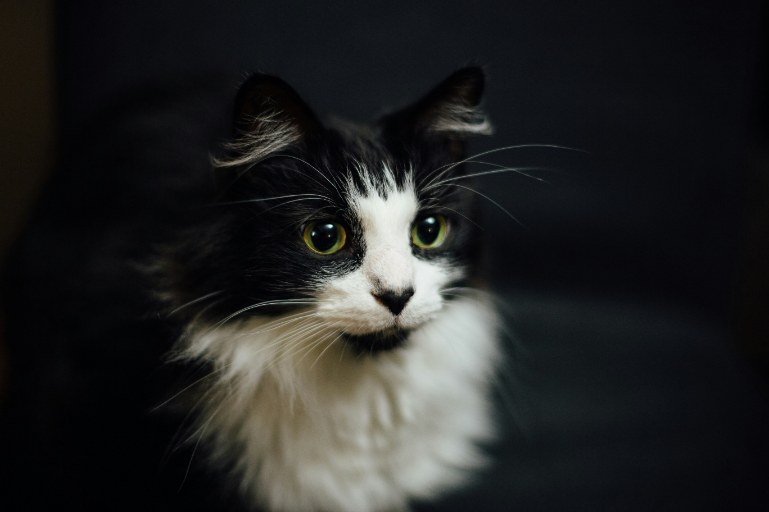
Tuxedo Cat Personality: Traits, Care & What to Expect
Explore the tuxedo cat personality - friendly, playful, and social traits - plus practical care tips every tuxedo cat owner should know before adopting one.
Tuxedo cats are easy to spot — that sharp black-and-white coat looks like they're dressed for a formal event. But ask anyone who's lived with one, and they'll tell you it's not just the coat that stands out. The tuxedo cat personality has a reputation of its own: bold, chatty, clever, and often a little bit mischievous.
If you're thinking about adopting a tuxedo cat, or you already have one lounging on your keyboard right now, it helps to understand what's actually behind that reputation, and how to care for these cats in a way that suits their personality.
What Shapes the Tuxedo Cat Personality?
It's worth clearing something up first: "tuxedo" isn't a breed. It's a coat pattern that can appear in many different breeds and mixed-breed cats. That means a tuxedo cat's personality is influenced far more by genetics from its parents, early handling as a kitten, and its home environment than by its coat color alone.
That said, many long-time cat owners and shelter workers describe recurring traits in tuxedo cats, often shaped by generations of domestic shorthair lineage, which tends to produce confident, adaptable house cats. So while coat color doesn't determine personality, the traits associated with the tuxedo cat personality are commonly reported by real owners.
Common Tuxedo Cat Personality Traits
Here are the traits most frequently linked to tuxedo cats:
Highly social – Tuxedo cats often enjoy being around people and may follow you from room to room. Talkative – Many tuxedo cats communicate through meows, chirps, and trills, almost like they're holding a conversation. Intelligent and curious – They tend to investigate new objects, learn routines quickly, and figure out how to open cabinets or doors. Playful well into adulthood – Unlike some cats that mellow out early, tuxedo cats often keep their playful streak for years. Food-motivated – This makes them easier to train with treats, but it also means portion control matters. Bonded to one person – While friendly with the whole household, many tuxedo cats pick a favorite human.
Of course, not every tuxedo cat will show all these traits. Personality still varies from cat to cat, just like it does in people.
Are Tuxedo Cats More Affectionate Than Other Cats?
This is one of the most common questions new owners ask. The honest answer: there's no formal proof that coat pattern causes affection levels. What's more likely is that tuxedo cats are simply common, so more people share stories about their tuxedo cat's personality online, which reinforces the idea that they're especially loving or funny.
That said, plenty of tuxedo cat owners describe their pets as unusually people-oriented, and this reputation isn't baseless — it's just anecdotal rather than scientific. If you want a cat known for warmth and companionship, a tuxedo cat is a reasonable choice, but temperament ultimately comes down to the individual cat.
Caring for a Tuxedo Cat: Practical Tips
Mental Stimulation
Because tuxedo cats are often curious and quick learners, boredom can lead to problem behaviors like scratching furniture or knocking things off shelves. Puzzle feeders, interactive wand toys, and short daily play sessions go a long way toward keeping a tuxedo cat mentally satisfied.
Feeding and Weight
Their food motivation is a double-edged sword. It makes training easier, but it also means tuxedo cats can overeat if you're not careful. Stick to measured portions rather than free-feeding, and use treats sparingly during training or bonding time.
Grooming
Tuxedo cats typically have short coats that need minimal grooming — a weekly brush is usually enough to reduce shedding and hairballs. Keep an eye on the white areas of the coat, especially around the paws and chest, since they show dirt more easily.
Socialization
Given how social tuxedo cats tend to be, isolation for long stretches isn't ideal. If you work long hours, consider a second pet for company, window perches for entertainment, or a consistent daily routine so your cat knows when to expect attention.
Common Mistakes New Tuxedo Cat Owners Make
Assuming personality is guaranteed. Not every tuxedo cat will be chatty or outgoing — some are shy or independent. Overfeeding because they beg. A vocal, food-driven cat can quickly become overweight if every meow is answered with a treat. Underestimating their energy. Tuxedo cats that don't get enough playtime may act out through destructive behavior. Ignoring vocal cues. Excessive or sudden changes in meowing can be a sign of stress, discomfort, or a health issue, not just chattiness. When to See a Vet
While personality quirks are normal, some changes are worth paying attention to. Talk to your vet if your tuxedo cat:
Suddenly becomes much more vocal or unusually quiet Stops playing or interacting altogether Shows changes in appetite, weight, or litter box habits Seems withdrawn, hides more than usual, or avoids being touched
These changes can sometimes point to pain, illness, or anxiety rather than a simple personality shift, so it's always safer to have a vet rule out medical causes.
What to Expect as a Tuxedo Cat Owner
Living with a tuxedo cat often means having a shadow — a cat that wants to be part of whatever you're doing, whether that's cooking, working, or relaxing on the couch. Expect conversations (one-sided, but full of personality), a fair bit of curiosity-driven mischief, and a companion that bonds closely once trust is built.
New owners should be patient during the first few weeks. Even social, confident cats need time to adjust to a new home, and their true personality usually comes out gradually rather than on day one.
Final Thoughts
The tuxedo cat personality has earned its reputation for a reason: these cats are often social, smart, and full of character. But coat color is just one small piece of the puzzle. The best way to understand your own tuxedo cat is simply to spend time with them, respond to their needs, and give their curiosity and energy healthy outlets. Do that, and you'll likely end up with a deeply bonded, endlessly entertaining companion.
Frequently Asked Questions
Is tuxedo a cat breed?
No. Tuxedo refers to a black-and-white coat pattern, not a breed. It can appear in many breeds and mixed-breed cats
Are tuxedo cats more intelligent than other cats?
There's no proven link between coat pattern and intelligence, but many owners describe their tuxedo cats as curious and quick to learn routines.
Do tuxedo cats get along with other pets?
Many tuxedo cats are social and adapt well to other cats or dogs, especially with a gradual, proper introduction process.
Why is my tuxedo cat so vocal?
Vocal behavior is common in tuxedo cats, but sudden increases or decreases in meowing can also signal stress or a health issue, so monitor for other changes too.
How long do tuxedo cats typically live?
Lifespan depends on breed, genetics, diet, and care rather than coat pattern, but with good care, most domestic cats live well into their teens.
Helpful references
Trusted organisations with more information on this topic.
Browse by Category
Care guides organised by the pet you have